What is an Automated Ball Valve and How Does it Work?

Time:2026-05-09 Author:Amelia
0%

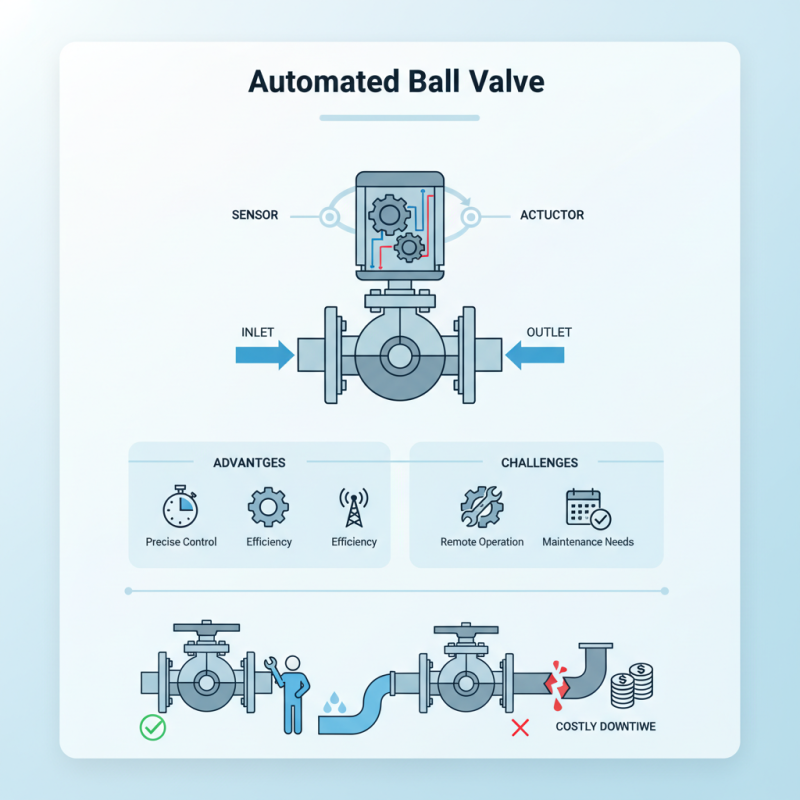
Automated Ball Valves are essential components in modern fluid control systems. These valves allow for precise control of liquid and gas flow. Their mechanism is simple yet effective, employing a spherical disc to manage flow rates. This design ensures reliability and efficiency, making them popular in various industries.

The operation of an Automated Ball Valve is intriguing. It typically integrates with an actuator that can be operated remotely. This feature simplifies processes and reduces the need for manual intervention. However, the dependency on technology can lead to malfunction risks. Maintenance protocols are vital to ensure consistent performance.

In many cases, users may overlook the need for regular checks. Neglecting maintenance can result in unexpected failures. Overall, understanding the Automated Ball Valve's functionality is crucial for effective implementation. Their advantages often outweigh potential challenges, making them a valuable asset in fluid management. Ignoring their care could lead to costly downtime and inefficiency.
What is an Automated Ball Valve and How Does it Work?

What Is an Automated Ball Valve and Its Primary Functions?

Automated ball valves play a crucial role in many industries. They control fluid flow efficiently. This type of valve uses a spherical disc to regulate flow through a pipe. When the valve is open, the ball rotates, allowing liquid or gas to pass through. When closed, the ball blocks the flow. This design offers quick and precise operation, making them popular in complex systems.


One primary function of automated ball valves is to enhance operational efficiency. They can quickly respond to changes in pressure or temperature, which helps prevent system failures. Additionally, they reduce the need for manual intervention. This can minimize human error. Regular maintenance is needed, as wear can affect their performance.


Tips: Always monitor the position of your ball valves. Misalignment can lead to leaks. It's best to check seals regularly to ensure they are intact. Consider installing sensors for real-time monitoring. This can improve safety and efficiency significantly. Proper installation is crucial. Even minor mistakes can lead to major issues down the road.

Key Components and Design Principles of Automated Ball Valves

Automated ball valves are essential in modern fluid control systems. They consist of a spherical disk that rotates to open or close the flow path. Key components include the valve body, actuator, and control system. The valve body is typically made from durable materials like stainless steel or plastic. This ensures longevity and resistance to corrosion.

The actuator is crucial for automation. It can be electric, pneumatic, or hydraulic. Each type offers different advantages based on the application. Electric actuators are easy to control but may require regular maintenance. Pneumatic options provide quick response times but may need a compressed air supply. Balancing these elements is key to effective design.

Design principles also emphasize safety and reliability. Automated ball valves often include fail-safe mechanisms. These mechanisms ensure valves close or remain in place during power failure. Redundant systems can enhance reliability but may complicate installation. Understanding these factors helps optimize your valve selection. Clarity in design encourages users to adopt automated solutions efficiently.

What is an Automated Ball Valve and How Does it Work? - Key Components and Design Principles of Automated Ball Valves

Component Description Function Material
Actuator Mechanism that moves the valve Controls the opening and closing of the valve Aluminum, Stainless Steel
Ball Spherical element that controls flow Regulates flow based on its position PVC, PTFE, Stainless Steel
Body Outer casing of the valve Houses all internal components Carbon Steel, Stainless Steel
Seats Soft materials that seal around the ball Ensures tight sealing to prevent leaks PTFE, NBR
Stem Connects the actuator to the ball Transmits the actuator's movement to the ball Stainless Steel

How Automated Ball Valves Enhance Industrial Efficiency and Safety

Automated ball valves play a crucial role in industrial settings. They help control fluid flow with precision and speed. These valves can be operated remotely, reducing the need for manual intervention. This automation enhances safety by minimizing human exposure to hazardous environments. Workers can monitor and operate systems from a safe distance.

Efficiency is another significant advantage. Automated ball valves respond instantly to changes in pressure or flow. This responsiveness allows for quick adjustments. They can help optimize processes, reduce waste, and save energy. However, implementing these systems requires careful planning and monitoring. Regular maintenance is essential to avoid unexpected failures.

In real-world applications, automated ball valves can face challenges. For example, they may encounter clogging from debris. Ensuring that the systems remain clear is vital for smooth operation. Training staff to handle these issues is equally important. Overlooking these factors can lead to costly downtime. Continuous improvement and feedback mechanisms should be in place to enhance performance over time.

Types of Actuators Used in Automated Ball Valves and Their Applications

Automated ball valves are vital in many industries. They rely on actuators to function effectively. Understanding the types of actuators can guide users in selecting the right valve for their application.

Electric actuators are popular due to their precision and control. These devices convert electrical energy into mechanical motion. They are ideal for environments requiring precise flow control. Pneumatic actuators use compressed air to create motion. They are capable of opening and closing valves quickly, which is essential in high-speed operations. Hydraulic actuators are another option. They provide significant force and are often used in heavy industries.

Choosing the appropriate actuator depends on several factors. Energy efficiency, response time, and compatibility with existing systems all play roles. Users must evaluate their specific needs. An improperly chosen actuator can lead to inefficiencies. Automation shouldn't compromise safety. Regular assessments of valve performance can prevent issues before they arise. This reflects the need for thoughtful decision-making in automation.

Industry Standards and Guidelines for Automated Ball Valve Installation

Automated ball valves are vital in many industries, controlling the flow of liquids and gases. Proper installation is crucial for safety and efficiency. Different industries have specific standards to follow during installation. Guidelines help maintain performance and reliability.

The American National Standards Institute (ANSI) provides essential standards for valve installation. These encourage uniformity in dimensions and testing procedures. Compliance ensures valves perform as expected. Following the manufacturer’s guidelines reduces the risk of failures. It's important to carefully review installation requirements prior to the process.

Additionally, environmental factors play a role in valve performance. Temperature variations can impact the materials used. Installation should consider these factors to avoid premature wear. Ensure accessibility for maintenance checks. Any oversight here could lead to system failures. Regular training for installation teams ensures compliance with industry standards. This reduces mistakes and enhances overall efficiency.

FAQS

: What is an automated ball valve?

: An automated ball valve controls fluid flow using a spherical disc that rotates within the valve.

What are the primary functions of these valves?

They enhance operational efficiency and respond quickly to changes in pressure or temperature.

What type of actuators are used with automated ball valves?

Electric, pneumatic, and hydraulic actuators are commonly used, each serving different applications.

Why is proper installation important?

Proper installation ensures safety and efficiency, reducing the risk of system failures from oversight.

What should users regularly monitor?

Users should monitor the position of the ball valves and check seals for integrity to avoid leaks.

How can misalignment affect performance?

Misalignment can lead to leaks and inefficient operation, which may compromise the entire system.

What factors should be considered when choosing an actuator?

Energy efficiency, response time, and compatibility with existing systems are crucial factors to evaluate.

Why is regular maintenance necessary?

Regular maintenance helps identify wear that can negatively impact the performance of the valves.

How can industry standards aid installation?

Industry standards provide guidelines that ensure uniformity and reliability, crucial for optimal valve performance.

What role do environmental factors play in valve performance?

Temperature and other environmental factors can affect material wear, influencing overall valve longevity and effectiveness.

Conclusion

An Automated Ball Valve is a crucial component in various industrial applications, designed to control fluid flow with precision and efficiency. Its primary functions include regulating, directing, and shutting off fluid flow, making it invaluable in diverse sectors. The design of an Automated Ball Valve incorporates key components such as the valve body, ball, seats, and actuators, which work together based on established design principles to ensure optimal performance.

The effectiveness of Automated Ball Valves significantly enhances industrial efficiency and safety by enabling precise control and reducing the need for manual intervention. Various types of actuators, including electric, pneumatic, and hydraulic, are utilized to operate these valves depending on the specific application requirements. Furthermore, adherence to industry standards and guidelines for installation is essential to guarantee reliable operation and safety in fluid handling systems.


Amelia

Amelia

Amelia is a seasoned marketing professional with a wealth of expertise in our company’s core offerings. With an unwavering passion for driving growth and innovation, she plays a pivotal role in shaping our marketing strategies and enhancing brand visibility. A key aspect of her responsibilities......