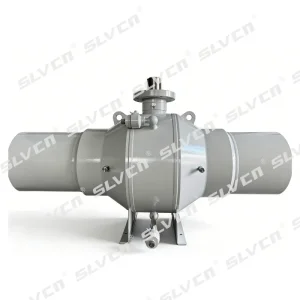
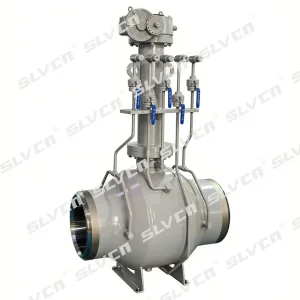
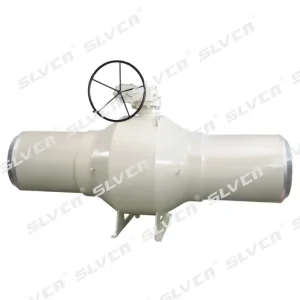
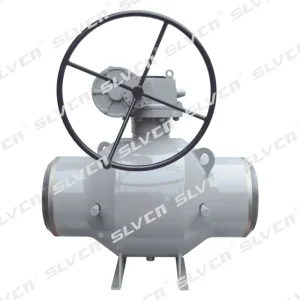
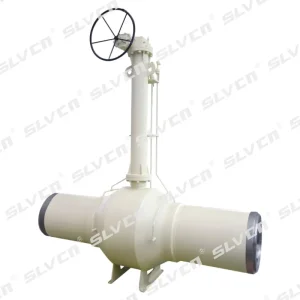
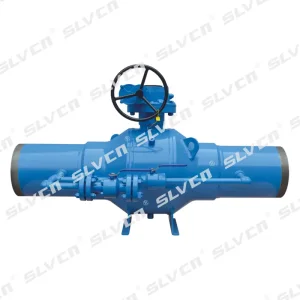
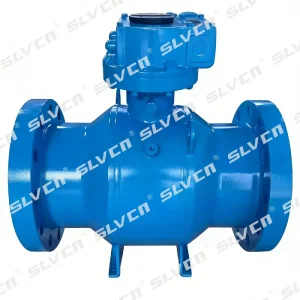
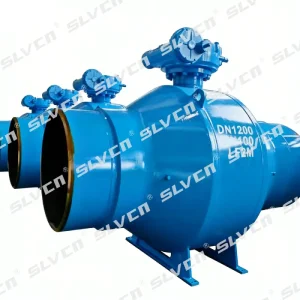
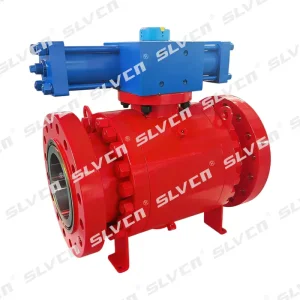
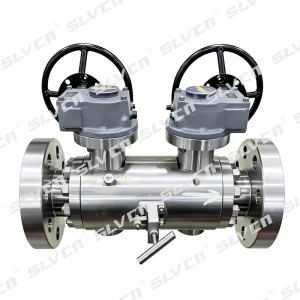
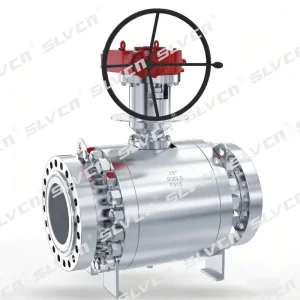
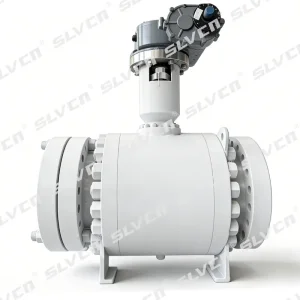
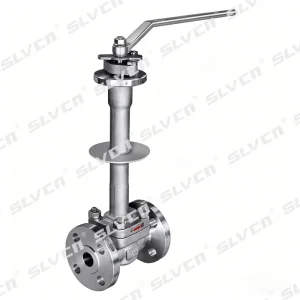
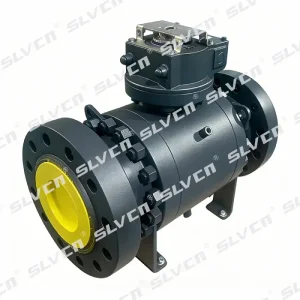
The global energy landscape is shifting towards higher efficiency and stricter emission standards. Fully Welded Ball Valves (FWBVs) have emerged as the de facto standard for underground, long-distance pipeline transmission, particularly in Oil & Gas and Carbon Capture, Utilization, and Storage (CCUS) projects. Unlike bolted designs, the fully welded structure eliminates potential leak paths at the body-to-bonnet interface, ensuring integrity under extreme pressure-temperature cycles.
Modern "Smart Factories" now integrate digital twins and IoT sensors into the manufacturing process. By monitoring real-time operational data from field installations, manufacturers are refining metallurgy and sealing geometries to achieve Zero-Fugitive-Emissions compliance, adhering to ISO 15848-1 requirements.
Procurement departments are moving beyond simple price-matching. The current trend focuses on "Total Cost of Ownership" (TCO) and "Supply Chain Transparency." Global enterprises are increasingly auditing factories for:
Incorporating advanced alloys for Hydrogen service and sour gas applications, ensuring corrosion resistance in extreme environments.
Transitioning toward "intelligent valves" equipped with diagnostic chips that predict maintenance needs, reducing downtime by up to 30%.
Optimizing manufacturing processes to minimize carbon footprint through green energy usage and waste reduction in casting and machining.
Utilizing robotic welding cells to ensure 100% consistency in weld integrity, meeting the most rigorous safety classifications.
Q1: Why choose a fully welded ball valve over a bolted valve?
A: Fully welded valves eliminate body-to-bonnet gaskets, which are common failure points in high-pressure underground pipelines. They offer superior structural integrity, zero leakage, and are maintenance-free, making them ideal for buried or hazardous applications.
Q2: How do factories ensure quality for critical pipeline projects?
A: Tier-1 factories adhere to API 6D standards, conducting rigorous non-destructive testing (NDT), including ultrasonic, radiographic, and liquid penetrant testing on every weld to ensure the valve body matches the pipe integrity.
Q3: Are these valves suitable for Hydrogen pipelines?
A: Yes, with specific material modifications (e.g., specific austenitic steels and low-permeability coatings) and strict seal testing, fully welded ball valves are being successfully deployed in modern hydrogen energy infrastructure.
 Shoulong Valve