-
Q
What is a Double Block and Bleed (DBB) ball valve and how does it work?
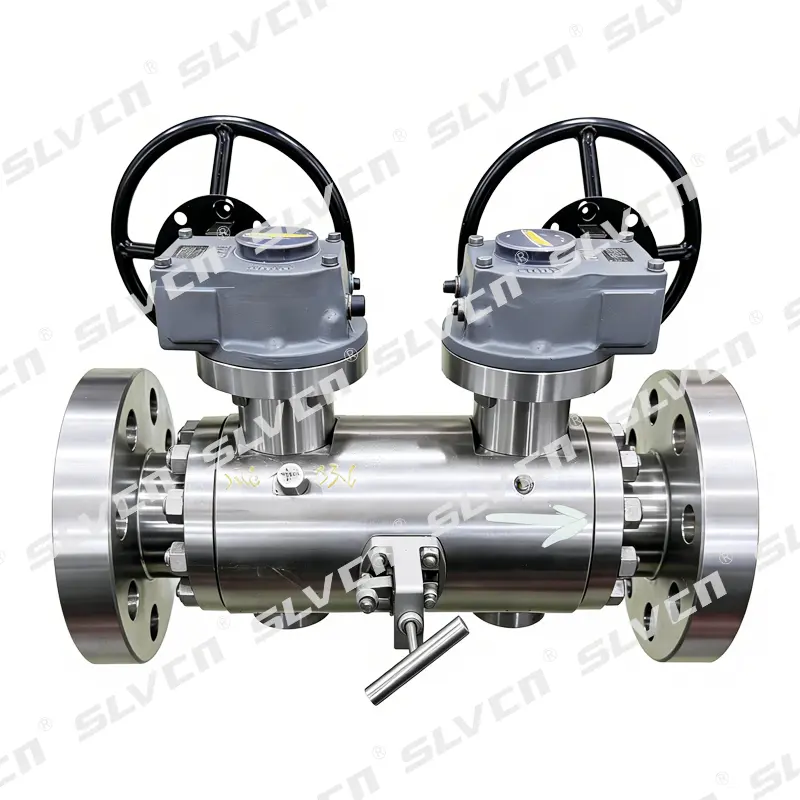
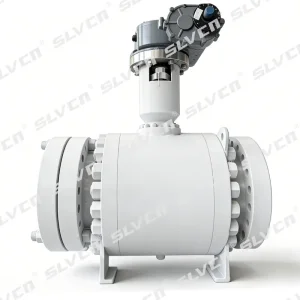
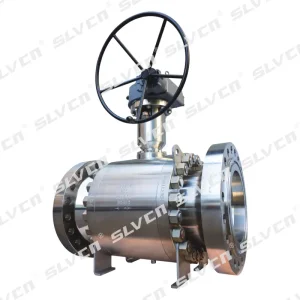
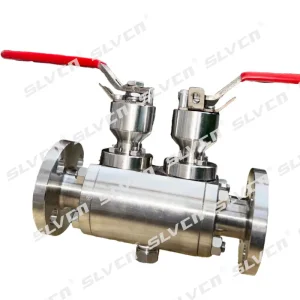
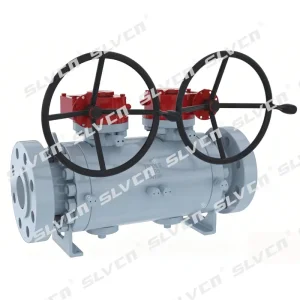
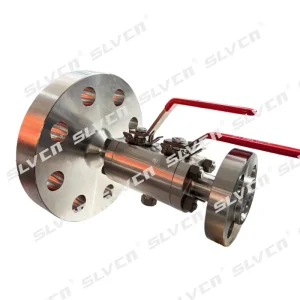
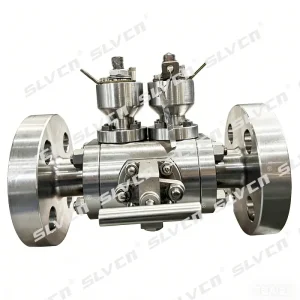
A Double Block and Bleed (DBB) ball valve contains two independent seating balls within a single valve body. Both balls isolate the process line simultaneously, while a vent connection in the cavity between them allows operators to bleed off any trapped pressure, confirming that both seals are holding before maintenance or inspection begins.
-
Q
Why choose a single DBB valve over two separate valves in series?
A single DBB valve reduces the overall number of pipe connections, lowering the risk of fugitive emissions and potential leak points. It also saves significant space, weight, and installation cost compared to assembling two individual valves, fittings, and a bleed valve into the pipeline.
-
Q
What does the integrated cavity vent allow operators to do?
The integrated cavity vent provides a dedicated port between the two balls. Operators can connect pressure gauges or sampling equipment to monitor cavity pressure in real time, safely release trapped fluid or gas, and verify the integrity of both upstream and downstream seals without shutting down the pipeline.
-
Q
What safety certifications and protection features does the forged trunnion design include?
The heavy-duty forged trunnion construction meets fire-safe design standards (typically API 607 / ISO 10497), incorporates anti-static devices to prevent electrostatic buildup, and features a blowout-proof stem design. These combined protections ensure safe operation in high-pressure, high-temperature, and potentially flammable environments.
-
Q
Can the DBB ball valve be automated, and what actuator interface does it use?
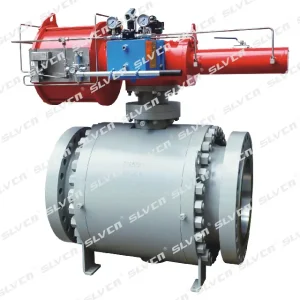
Yes. The valve features an ISO 5211 top-flange interface, which is the international standard for direct mounting of pneumatic, hydraulic, or electric actuators without the need for adapter brackets. This makes integration into automated control systems straightforward and compatible with a wide range of actuator brands.
-
Q
What customization options are available for project-specific requirements?
The DBB ball valve can be configured with a variety of body and trim materials (carbon steel, stainless steel, duplex, super duplex, and more), pressure ratings from ANSI Class 150 to 2500, and sizes ranging from 1/2 inch to 24 inches or larger. End connections, seat materials, coating specifications, and testing requirements can all be tailored to meet specific oil & gas project standards.
 Shoulong Valve