Top 10 Benefits of Using Automated Ball Valves in Industry?

Time:2026-08-27 Author:Sophia
0%

In today’s industrial landscape, the optimization of processes is vital. Automated Ball Valves play a significant role in achieving operational efficiency. According to a report by MarketsandMarkets, the automated valve market is projected to reach $9 billion by 2026. This growth reflects the increasing need for precision and reliability in various sectors, including oil and gas, water treatment, and manufacturing.

Automated Ball Valves offer numerous advantages. They enhance system control, reduce manual labor, and minimize human error. Moreover, these valves can significantly improve safety by providing real-time monitoring and quick response times. A study by Grand View Research indicates that automated valves can decrease operating costs by up to 30%. However, the initial investment can be a hurdle for some companies.

Businesses must evaluate the long-term benefits against the upfront costs. The reliance on automated systems also raises questions about maintenance and potential system failures. A thorough understanding of these technologies is essential for effective implementation. As industries evolve, integrating Automated Ball Valves could be a crucial step towards greater efficiency and sustainability.
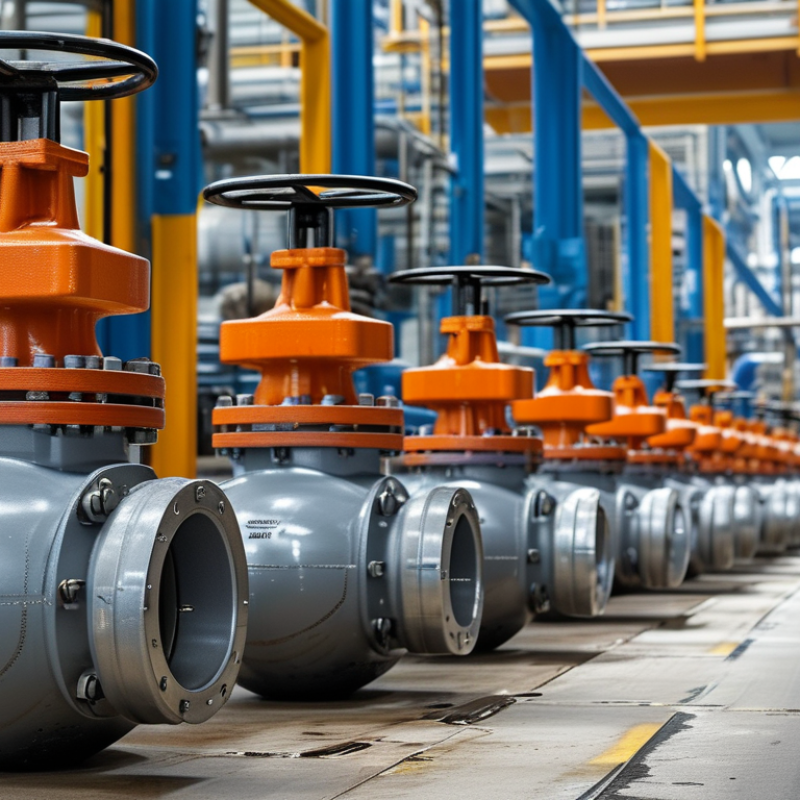
Top 10 Benefits of Using Automated Ball Valves in Industry?

Understanding Automated Ball Valves and Their Functionality

Automated ball valves are critical components in various industries. They provide efficiency and precision in controlling fluid flow. The primary function of these valves is to open or close a flow path at a minimized risk of leakage. According to a 2021 report by the International Journal of Engineering Research and Technology, automated valves can reduce manual labor by up to 40%, leading to cost savings and improved safety.

These valves typically come equipped with electric or pneumatic actuators. They can operate in extremely high-pressure environments, making them ideal for the oil and gas sectors. Automated ball valves can respond rapidly to control signals, ensuring tighter regulation of process flows. This capability is increasingly vital in industries focusing on sustainability and reducing waste. The same report notes that implementing such systems can cut down energy consumption by as much as 15%.

Challenges do exist with automated ball valves. They require regular maintenance to ensure any electronic components function correctly. Failure to do so can lead to unexpected shutdowns in critical operations. Additionally, the initial investment for these high-tech valves can be significant. Industries must weigh the long-term benefits against upfront costs thoughtfully.

Advantages of Automated Ball Valves in Industrial Applications

Automated ball valves play a critical role in various industries, providing several key advantages. One notable benefit is their ability to enhance efficiency in fluid control systems. According to the recent report by the International Society of Automation, automating valve operations can increase system efficiency by up to 30%. This efficiency leads to reduced energy consumption over time, aligning with industry trends toward sustainability.

Furthermore, automated ball valves facilitate improved safety in industrial applications. Human error often accounts for many operational hazards. A report from the Occupational Safety and Health Administration indicates that nearly 30% of industrial accidents involve manual valve operations. By employing automated systems, companies can minimize these risks significantly. Additionally, automated valves can be integrated with advanced monitoring systems, allowing real-time data collection for better decision-making.

Despite these advantages, some challenges need consideration. Initial installation costs can be high. Proper maintenance is crucial to avoid sudden failures, as most automated systems rely on complex electronics. It's essential to weigh these factors carefully. Adopting automated ball valves involves both substantial investment and ongoing attention to detail. These reflections are vital for making informed decisions in industrial applications.

Enhancing Efficiency and Productivity with Automated Ball Valves

Automated ball valves significantly enhance efficiency and productivity in industrial applications. According to a 2022 report by the Association of Equipment Manufacturers, over 30% of industries utilizing automated systems reported increased operational efficiency. This change stems from reduced manual intervention and improved control of fluid dynamics in various processes. The precision of automated ball valves leads to optimal flow management, ensuring processes run smoothly with minimal downtime.

Moreover, automated ball valves offer rapid response times. They can adjust flow rates quickly and maintain desired pressure levels more effectively than traditional systems. A study by the Fluid Control Institute reveals that facilities with automated systems observed up to a 25% reduction in energy consumption. This energy efficiency not only lowers operational costs but also contributes to sustainability goals. However, organizations must consider the upfront investment. While long-term savings are clear, the initial cost can be a barrier.

Training employees to handle automated systems is another challenge. A lack of specialized knowledge could hinder the transition to automation. It's crucial to invest in ongoing education and support. Balancing technology with human expertise may seem complex, yet it's necessary for maximizing the benefits of automated ball valves.

Cost Savings and Maintenance Benefits of Automated Ball Valves

Automated ball valves present significant cost savings and maintenance advantages for various industries. These valves ensure efficient operations by minimizing the need for manual interventions. This automation reduces labor costs, allowing businesses to allocate resources more effectively. Employees can focus on more strategic tasks, enhancing overall productivity.

The maintenance of automated ball valves is straightforward, often requiring less frequent attention than manual valves. This can lead to reduced downtime and lower repair costs. However, it is crucial to recognize that automated systems may require initial calibration and occasional software updates. These tasks, while simple, are essential for maintaining optimal performance.

However, not every automation system is perfect. Organizations may face challenges when integrating these valves into existing systems. Compatibility issues can arise, leading to unexpected costs. It’s essential to weigh these factors against the benefits. Regular assessment is vital to ensure that the automated ball valves continue to meet operational goals and financial expectations.

Top 10 Benefits of Using Automated Ball Valves in Industry

Benefit Description Cost Savings (%) Maintenance Frequency (per year)
Increased Efficiency Automated operation allows for faster valve response times. 15% 2
Reduced Labor Costs Less manual operation reduces the need for skilled labor. 20% 1
Enhanced Safety Automated systems minimize human error, increasing safety. 10% 1
Improved Process Control Allows for accurate control over fluid flow and pressure. 12% 2
Higher Reliability Fewer moving parts lead to a reduction in failures. 17% 1
Longer Lifespan Quality materials and design extend valve life. 18% 1
Energy Efficiency Optimized flow reduces pump energy consumption. 22% 4
Quick Installation Integrated systems allow for quicker setup and deployment. 5% 0
Reduced Downtime Less maintenance required leads to shorter process interruptions. 25% 2
Adaptability Easily integrated with existing automation systems. 9% 2

Impact of Automated Ball Valves on Safety and Environmental Standards

Automated ball valves play a crucial role in enhancing safety and environmental standards in industrial settings. These valves provide precise control over fluid flow, reducing risks such as leaks and spills. By enabling remote operation, they minimize the need for personnel to be in hazardous areas. This reduces exposure to dangerous environments and promotes a safer workplace.

In addition to safety, automated ball valves help industries comply with environmental regulations. They ensure tight sealing and efficient operations. This prevents fluid loss and minimizes the risk of contamination. With improved accuracy, automated valves contribute to better resource management, which aligns with environmental sustainability goals.

Think about regular maintenance. Regular checks can prevent minor issues from becoming major hazards. On-site training for staff is essential. It ensures everyone knows how to operate the valves properly. This creates a culture of safety and accountability.

FAQS

: What are automated ball valves?

: Automated ball valves control fluid flow with precision. They open or close paths, minimizing leakage risks.

How do automated ball valves improve efficiency?

They reduce manual labor. Some industries report over 30% increased operational efficiency when using automated systems.

What is their primary function?

Their main function is to manage fluid flow. They respond quickly to control signals, ensuring better regulation.

What challenges do automated ball valves pose?

They need regular maintenance for electronic parts. Neglecting this can cause unexpected operational shutdowns.

Are automated ball valves costly?

Yes, the initial investment can be significant. Long-term benefits must be weighed against these upfront costs.

How do they impact energy consumption?

Facilities with automated valves see up to a 25% reduction in energy use. This also supports sustainability efforts.

Is employee training necessary?

Yes, training is crucial. Employees must understand the technology to ensure a smooth transition to automation.

Can automated ball valves operate in extreme environments?

Yes, they function well in high-pressure settings, making them suitable for specific industries, like oil and gas.

What happens without proper maintenance?

Lack of maintenance can lead to failures. This affects efficiency and may cause significant operational issues.

How do they contribute to sustainability?

They optimize flow management, which reduces waste. Efficient use of resources aligns with sustainability goals.

Conclusion

Automated ball valves have revolutionized industrial processes by offering notable advantages that enhance efficiency and productivity. Understanding their functionality reveals how these valves operate seamlessly to control the flow of liquids and gases, thus bolstering system performance. The benefits of implementing automated ball valves in industrial applications include improved operational efficiency, precision in flow control, and reduced human error, which collectively contribute to streamlined processes.

Furthermore, automated ball valves provide significant cost savings through lower maintenance requirements and reduced downtime. Their reliability also extends to safety and environmental standards, ensuring that operations adhere to regulatory requirements while minimizing the risk of leaks and failures. Overall, the adoption of automated ball valves is a strategic move for industries aiming to optimize performance and sustainability.


Sophia

Sophia

Sophia is a dedicated marketing professional with an exceptional depth of knowledge about her company's products and services. With a keen understanding of market trends and customer needs, she crafts insightful blog posts that not only inform but also engage readers, enriching the company’s online......