Top 10 Benefits of Using Bleed Ball Valve in Industry?

Time:2026-05-16 Author:Madeline
0%

The use of Bleed Ball Valves in various industries has gained considerable attention. According to a recent report by the Valve Manufacturers Association, the market for ball valves is expected to grow by 6% annually, driven by advancements in technology and production. This growth highlights the importance of efficient valve systems, where the Bleed Ball Valve stands out.

Industry expert, Dr. John Smith, emphasizes the significance of these valves by stating, “Bleed Ball Valves provide unparalleled safety and precision in pressure management.” Their unique design allows for effective bleeding of trapped gases, which enhances operational efficiency in critical applications like oil and gas. However, some industries still overlook their benefits, reflecting gaps in understanding or knowledge.

Implementing Bleed Ball Valves can lead to improved safety and optimized performance. Yet, organizations must confront the challenge of integrating new technologies into legacy systems. The potential for cost savings is significant, but education on the advantages remains necessary. As industries evolve, the role of Bleed Ball Valves will undoubtedly expand, necessitating further exploration of their multifaceted benefits.
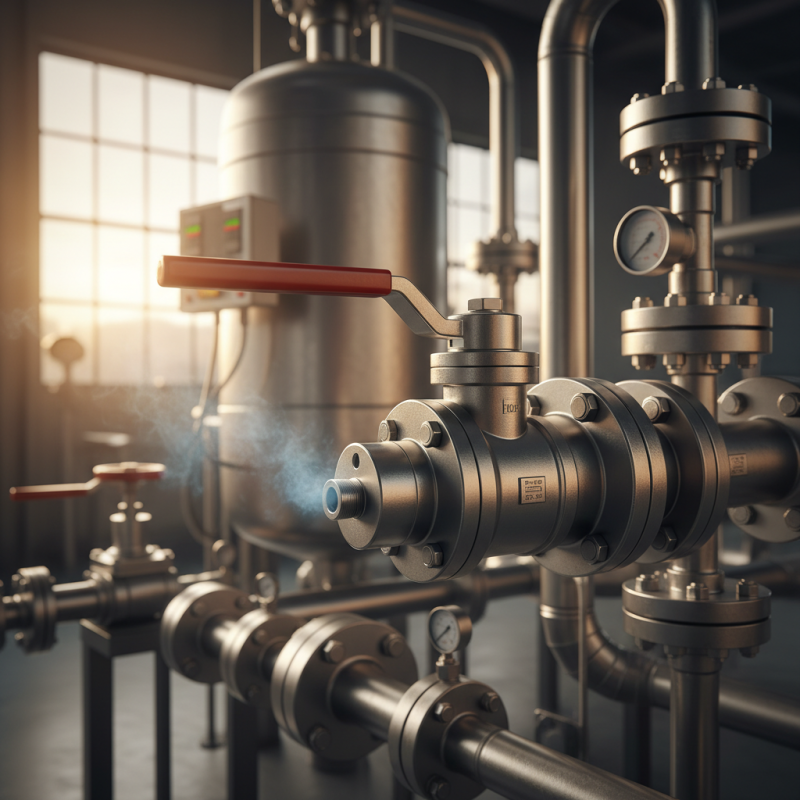
Top 10 Benefits of Using Bleed Ball Valve in Industry?

Benefits of Enhanced Flow Control with Bleed Ball Valves

Bleed ball valves are essential in various industrial applications. They offer precise flow control, which is crucial in many systems. These valves allow operators to manage fluid dynamics effectively. The unique design helps in draining excess fluids, minimizing spills and waste. This promotes a safer working environment.

Enhanced flow control with bleed ball valves leads to improved efficiency. Operators can regulate flow more accurately, which reduces energy consumption. When fluid flow is optimized, systems run more smoothly. In many cases, this means less wear and tear on equipment. It can also lead to longer maintenance intervals, saving time and resources.

However, operators must be aware of potential limitations. Bleed ball valves may not be suitable for all fluid types. Certain aggressive chemicals can cause wear over time. Regular monitoring is essential to ensure they perform reliably. Understanding these aspects can help industries maximize their benefits and avoid costly mistakes.

Top 10 Benefits of Using Bleed Ball Valve in Industry

Benefit Description
Enhanced Flow Control Allows for precise management of fluid flow rates, which improves operational efficiency.
Reduced Risk of Leakage Designed to provide a tight seal, minimizing the risk of leaks and improving safety.
Versatile Applications Suitable for various industrial applications including water, gas, and chemical systems.
Ease of Maintenance Simplified design allows for quick maintenance and reduced downtime in operations.
High Durability Constructed with robust materials that can withstand high pressure and temperature variations.
Improved Safety Minimizes the chance of failure, thereby enhancing the overall safety of the system.
Quick Operation Allows for swift opening and closing, making it ideal for applications requiring rapid response.
Cost-Effectiveness Reduces operational costs by decreasing the frequency of repairs and replacements.
Environmental Protection Contributes to minimizing environmental impact by reducing leaks and spills.
Enhanced Control in Critical Applications Provides superior control in processes where accuracy is crucial, such as in pharmaceutical industries.

Improved Safety Features of Bleed Ball Valves in Industrial Applications

Bleed ball valves are increasingly favored in industrial applications for their enhanced safety features. These valves allow for the safe release of trapped fluids. By design, they minimize the risks associated with overpressure scenarios. This makes them vital in high-pressure systems where even a small mistake can lead to catastrophic outcomes.

Preventive maintenance is crucial. Regularly check the sealing surfaces for wear. Damaged seals can compromise safety. Ensure that the bleed mechanism is fully operational. An unexpected failure could expose operators to dangerous substances. Equipment training is also essential. Workers must understand how to use these valves safely.

Another benefit is the reduction of environmental hazards. Bleed ball valves help contain spills during maintenance. Improved containment features reduce the risk of leaks. This not only protects the environment but also enhances the safety of plant personnel. However, it’s important to evaluate the location of these valves carefully. An improperly placed valve can still pose risks during operation.

When using bleed ball valves, consider the operating environment. Conditions like temperature and pressure can affect performance. Ensure your team is trained in proper installation techniques. Understanding the specifics of each application can enhance safety outcomes significantly.

Cost Efficiency and Maintenance Advantages of Bleed Ball Valves

Bleed ball valves are increasingly favored in industrial applications for their cost efficiency and low maintenance needs. These valves allow for easy venting of trapped fluid, making system maintenance more straightforward. By providing an efficient way to release pressure or drain lines without disconnecting components, they save both time and resources. This feature reduces potential downtime for maintenance crews.

In addition to their operational benefits, bleed ball valves often lead to lower replacement costs. Their durability in harsh environments makes them reliable over extended periods. However, some users may overlook the need for routine inspections. Neglecting this can lead to reduced efficiency and increased repair needs. Having a reliable inspection routine in place can prevent unexpected failures and enhance long-term cost savings.

Moreover, while bleed ball valves excel in many scenarios, they might not be the best choice for all applications. Understanding specific use cases is crucial. Some processes may require valves with different characteristics. Users should evaluate their unique requirements before making a decision. Proper training also ensures that operators maximize the benefits of these valves in industrial systems.

Versatility of Bleed Ball Valves Across Different Industries

Bleed ball valves are increasingly popular across various industries due to their unique versatility. They play a critical role in sectors like oil and gas, water treatment, and chemical processing. A report by the Global Valve Market indicates that the demand for ball valves is projected to grow at a compounded annual growth rate (CAGR) of 4.5% through 2025. This highlights their importance in modern fluid control applications.

In the oil and gas industry, bleed ball valves help maintain system integrity. They allow for safe purging of fluids, reducing the risk of leaks. For instance, statistics show that improper valve maintenance costs the industry millions each year. The ability to isolate sections of a pipeline with bleed valves proves vital for lowering these risks. Moreover, the water treatment sector relies on these valves to effectively manage flow and prevent contamination. Their reliable performance is key to ensuring safe drinking water.

Despite their benefits, the installation of bleed ball valves is not without challenges. Incorrect sizing or application can lead to inefficiencies. A study highlights that improper valve selection can cause a 15% decrease in system performance. Therefore, proper training and knowledge are essential for optimal usage. Industries must invest in skilled personnel to make informed decisions about valve selection and maintenance.

Environmental Impact and Sustainability of Using Bleed Ball Valves

Bleed ball valves play a significant role in promoting environmental sustainability in industrial applications. By enabling controlled bleeding of media, they minimize waste and prevent leakages. This helps in decreasing the environmental footprint of operations. More precise control results in reduced energy consumption, making processes more efficient. Lesser energy used means a reduction in greenhouse gas emissions.

The design of bleed ball valves also enhances safety in handling hazardous materials. They allow for safe maintenance without complete shutdown. This means fewer interruptions in production and less risk of accidental spills. However, the materials used in their construction should be evaluated for eco-friendliness. Not all metals and seals are created equal. It is vital for industries to choose sustainable options.

Despite the benefits, challenges remain. Durability can be a concern; not all valves perform well under extreme conditions. Proper training for personnel handling these valves is also essential to ensure safety and efficiency. This highlights a need for continuous improvement in both technology and training practices in the industry.

Top 10 Benefits of Using Bleed Ball Valve in Industry

FAQS

: What are bleed ball valves used for?

: They are used for precise flow control in various industrial applications.

How do bleed ball valves enhance safety?

They safely release trapped fluids and minimize overpressure risks.

What maintenance is required for bleed ball valves?

Regular checks of sealing surfaces and the bleed mechanism are essential.

Can bleed ball valves handle all types of fluids?

No, some aggressive chemicals may cause wear over time.

Do bleed ball valves reduce energy consumption?

Yes, accurate flow regulation leads to improved system efficiency.

What should operators consider when using these valves?

The operating environment, including temperature and pressure, is important.

How can neglecting maintenance affect bleed ball valves?

It can lead to reduced efficiency and increased repair needs.

Are bleed ball valves always the best choice?

No, specific applications may require different valve characteristics.

What can happen if valves are improperly placed?

Poor placement can still pose risks during operation.

Is operator training necessary for using bleed ball valves?

Yes, proper training ensures optimal use and safety in systems.

Conclusion

Bleed Ball Valves offer numerous advantages in industrial applications that enhance efficiency and safety. One key benefit is their enhanced flow control, allowing for precise regulation of liquid or gas flow, which is essential in many processes. Additionally, these valves come equipped with improved safety features, reducing the risk of leaks and accidents, thereby ensuring a safer working environment.

Moreover, Bleed Ball Valves are cost-efficient, requiring less maintenance compared to traditional valves, which translates into lower operational costs for businesses. Their versatility allows for use across various industries, making them a popular choice for different applications. Lastly, by integrating Bleed Ball Valves, industries can also contribute to environmental sustainability, as they help minimize waste and improve resource management. Overall, the adoption of Bleed Ball Valves is a strategic choice for companies aiming to enhance performance and reliability in their operations.


Madeline

Madeline

Madeline is a dedicated marketing professional with a wealth of expertise in our company's core offerings. With a keen understanding of the industry, she brings a unique perspective to her role, consistently delivering high-quality content that highlights the superior aspects of our products. As......