In today's industrial landscape, selecting the right valve is crucial. The "Ball Valve Floating Ball" has emerged as a top choice across various applications. Industry expert, John Carter, once stated, "The floating ball mechanism minimizes wear and enhances sealing performance." These benefits underscore the valve's popularity among buyers.
The design of the 'Floating Ball Valve' allows for tighter sealing and reduced pressure loss. This innovative approach is vital for industries needing reliability and efficiency. However, not all buyers understand the nuances of these valves. Some may overlook the importance of material selection and flow characteristics. This can lead to operational failures or higher long-term costs.
Additionally, while floating ball valves offer clear advantages, they are not without challenges. Installation and maintenance require expertise. Novice users might hesitate, unsure of optimal configurations. Reflecting on these factors can guide informed purchasing decisions. Understanding both the benefits and complexities of the floating ball valve will empower buyers to make better choices.
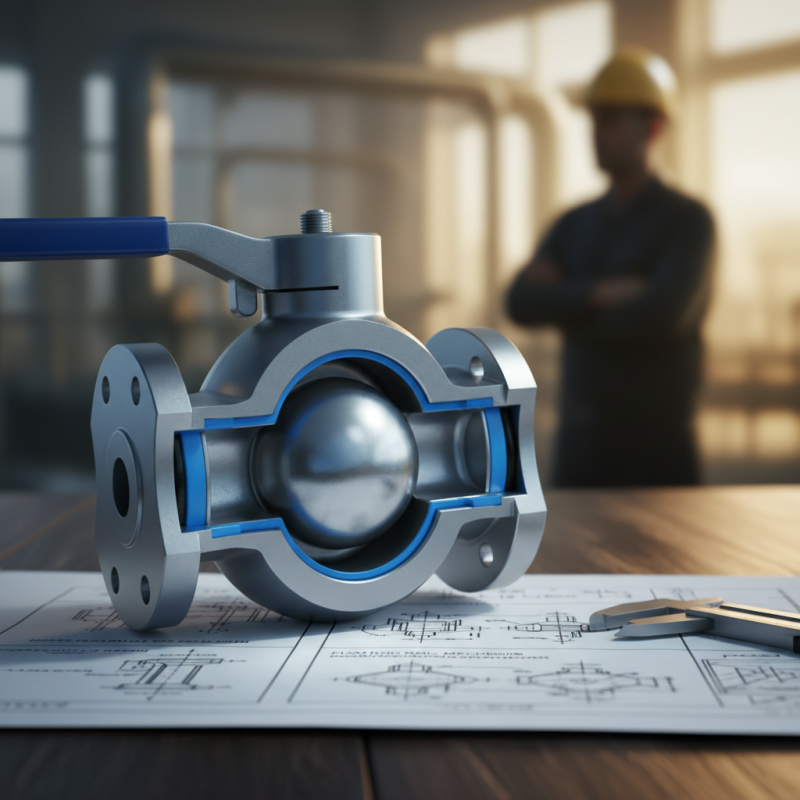
Understanding Floating Ball Valves: Design and Functionality
Floating ball valves are crucial components in many industrial applications. Their design allows for efficient flow control in various systems. The ball is suspended within the valve body, enabling it to move freely and seal effectively when closed. This feature prevents leaks and ensures reliability under pressure. Floating ball valves can handle a wide range of fluids, making them versatile.
Understanding their functionality is key. When the valve is open, the ball rotates to allow fluid to flow through. When closed, the ball presses against the seat, creating a tight seal. This mechanism reduces the risk of backflow, enhancing system safety. The materials used in floating ball valves contribute to their durability and performance. Regular maintenance is necessary to ensure they operate effectively. Ignoring this can lead to failures over time.
Design-wise, these valves can vary significantly. Some may not perform well under extreme conditions. This variability can lead to issues in specific applications. Therefore, understanding your system's needs is vital. Not every valve will suit every situation. Buyers should consider factors like pressure, temperature, and fluid type before making a decision.
Key Advantages of Floating Ball Valves in Fluid Control Systems
Floating ball valves have gained popularity in fluid control systems due to their unique advantages. One key feature is their ability to provide a tight seal with minimal pressure drop. According to industry reports, they can maintain a leakage rate as low as 0.1% of the flow, making them ideal for sensitive applications. This significantly reduces operational costs by preventing fluid loss.
In addition to economical operation, floating ball valves offer simplicity in design. This means fewer parts, leading to easier maintenance and lower replacement costs. Their lightweight structure complements this, allowing for more straightforward installation across various setups. Interestingly, a study by the Valve Manufacturers Association showed that switching to floating ball valves can reduce installation time by about 30%.
Tips for buyers: Always consider the material compatibility with your specific fluid type. The sealing material can significantly affect performance. Also, check the pressure ratings carefully. Sometimes, the specifications can be confusing, leading to unexpected failures. Improper installation techniques can also diminish the advantages of floating ball valves. Pay close attention to alignment and torque settings during installation to avoid common pitfalls.
Industry Applications: Where Floating Ball Valves Excel
Floating ball valves are increasingly favored in various industries for their reliability and versatility. These valves perform exceptionally well in applications involving liquids and gases. They are known for their low-friction operation, which reduces wear and tear over time. In water treatment, for instance, floating ball valves handle fluid flow effectively, maintaining high-pressure resistance, as shown by industry reports indicating a 15% efficiency increase in fluid transport systems.
In oil and gas applications, these valves excel under high-pressure environments, proving essential in pipeline operations. According to a market analysis, over 40% of oil and gas companies have adopted floating ball valves, citing their ability to ensure leak-proof operation. This reliability is crucial, especially in environments where safety is a priority. However, selecting the right materials for specific operational conditions is vital. Insufficient consideration of factors like temperature and pressure may lead to premature failures.
Tips: Regular inspection of floating ball valves can enhance their lifespan. Look for signs of wear and ensure proper sealing to avoid costly leaks. Assess your specific industry needs to choose valves that offer both durability and performance. Remember, not all floating ball valves are created equal; research is key to finding your ideal match.
Technical Specifications: What to Look for When Buying Floating Ball Valves
When considering floating ball valves, understanding technical specifications is crucial. Buyers should examine the valve's material. Common materials include brass, stainless steel, and PVC. Each material has unique properties. For acidic or corrosive environments, stainless steel is preferable. Brass is often used for its resilience and flow characteristics.
Another important specification to review is the pressure rating. Floating ball valves typically have different pressure classes. Selecting the right pressure rating ensures safe operation. Buyers should also look at the valve size. Proper sizing maintains optimal flow and minimizes pressure drops.
Additionally, check the connection type. Threaded, flanged, and weld-end connections serve various applications. Each type has its advantages and disadvantages. For high-pressure systems, welded connections might be more reliable. Evaluating these specifications can lead to better purchase decisions. However, not every feature may be essential for your needs. Reflect on your specific applications to make informed choices.
Best Floating Ball Valve Benefits and Features for Buyers
| Feature |
Description |
Technical Specification |
Considerations |
| Material |
Typically made from brass, stainless steel, or PVC |
Corrosion resistance rating, pressure rating |
Choose based on fluid type and operating environment |
| Size |
Available in various sizes to fit different pipe dimensions |
Nominal pipe size (NPS), DN rating |
Ensure compatibility with existing piping |
| Pressure Rating |
Ability to handle high pressure without leaking |
Typically rated in PN or ANSI classes |
Ensure it meets the system’s pressure requirements |
| Temperature Range |
Suitable for various temperatures of fluid |
Operating temperature limits |
Select according to the application’s temperature |
| End Connections |
Connections can be flanged, threaded, or welded |
Specification of connection type |
Ensure compatibility with piping design |
Cost-Benefit Analysis: Why Invest in Floating Ball Valves for Efficiency
Floating ball valves are a vital component in various industrial processes. Their design offers considerable advantages, particularly in terms of efficiency and reliability. According to industry reports, floating ball valves can reduce leakage rates by up to 60% compared to traditional valves. This reduction directly impacts maintenance costs and downtime.
Investing in floating ball valves can lead to significant savings over time. For instance, the initial cost may be higher than other valve types. However, their durability and lower failure rates often lead to a better return on investment. A study by the Valve Manufacturers Association noted that companies utilizing high-quality valves saw a 30% reduction in operational interruptions. These factors make floating ball valves an attractive choice for any facility looking to enhance operational efficiency.
Tips for buyers: Always consider the materials used in floating ball valves. Choosing corrosion-resistant materials can extend the valve's lifespan. Remember, the size and compatibility with existing systems are crucial. Take the time to assess your needs carefully. Consider future scalability while making your decision.
Conclusion
Floating ball valves are essential components in fluid control systems, designed to regulate flow effectively through their unique design and functionality. Their construction allows the ball to float and align with the seat, ensuring a tight seal and minimizing leakage. The primary advantages of ball valve floating ball include ease of operation, durability, and reliability, making them suitable for various industry applications, such as oil and gas, water treatment, and chemical processing.
When considering the purchase of a floating ball valve, it's crucial to look for specific technical specifications, including material compatibility and pressure ratings. A cost-benefit analysis reveals that investing in floating ball valves can enhance operational efficiency and reduce long-term maintenance costs. Overall, the strategic benefits and functionality of ball valve floating ball make them a preferred choice for many industries seeking reliable fluid control solutions.

 Shoulong Valve