A Carbon Steel Ball Valve is a quarter-turn device designed to control fluid flow through a pipeline. Its central ball contains a drilled passageway. When the handle turns 90 degrees, the passage either aligns with the pipe or blocks it completely. This simple movement supports fast isolation, reliable shutoff, and practical maintenance in demanding systems.
Dr. Mohinder L. Nayyar, a respected piping engineer and author of Piping Handbook, states, “A valve is a mechanical device that controls the flow of fluid and pressure within a process or piping system.” His observation explains why material selection matters. Carbon steel offers high strength, useful impact resistance, and dependable performance across many industrial applications. It commonly serves water treatment, oil and gas, steam, compressed air, and general process piping.
But carbon steel is not universally suitable. It can corrode when moisture, oxygen, or aggressive chemicals remain uncontrolled. That detail is easy to overlook. A properly selected valve still needs compatible seals, correct pressure ratings, suitable temperature limits, and an effective corrosion-control plan. Threaded, flanged, and welded connections also affect installation quality and future servicing.
This guide examines how a Carbon Steel Ball Valve works, where it performs best, and which limitations deserve attention. It also considers bore design, seat materials, operating pressure, maintenance practices, and common selection mistakes. Real systems are rarely perfect. A valve may meet its catalog specifications yet fail early because the surrounding piping, fluid chemistry, or installation method was misunderstood.
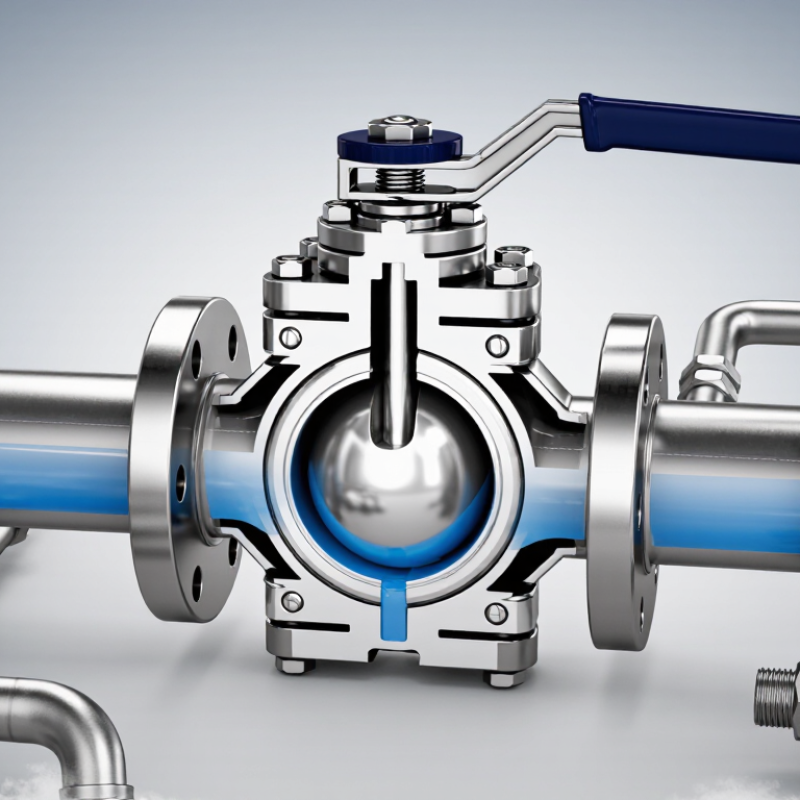
A carbon steel ball valve is a quarter-turn device used to control fluid flow. Its main closure element is a drilled metal ball. When the bore aligns with the pipe, fluid passes through. A 90-degree stem rotation turns the bore away from the flow and stops it. Carbon steel provides strength and practical cost control in many industrial piping systems.
The basic structure includes a valve body, ball, stem, seats, seals, and end connections. The body contains the internal pressure, while the stem transfers motion from a handle or actuator. Seats press against the ball to reduce leakage during operation. Common connections include threaded, flanged, and welded ends. In field maintenance, technicians inspect the stem area and seat condition because small leaks often begin there. Material grades and pressure ratings must match the service conditions. A strong-looking valve can still be unsuitable.
Tips: Check the flow direction, temperature range, pressure rating, and fluid compatibility before installation. Keep the ball partially open only when the valve design allows it. Forcing a stiff handle may damage the stem or seats. Clean piping matters. Dirt trapped inside can mark the sealing surfaces, although inspection alone may not reveal every internal defect.
| Data Dimension | Description | Typical Details | Functional Significance |
|---|---|---|---|
| Definition | A carbon steel ball valve is a quarter-turn isolation valve that controls fluid flow with a drilled spherical ball. | The ball rotates through approximately 90 degrees between the open and closed positions. | It provides fast shutoff and a relatively direct flow path. |
| Primary Body Material | Carbon steel is used for the valve body and, depending on the design, other pressure-containing parts. | Common carbon steel grades include ASTM A216 WCB for cast bodies and ASTM A105 for forged components. | The material offers high mechanical strength and is commonly used in industrial pressure piping. |
| Flow-Control Element | The ball contains a passage, or bore, through its center. | A full-port ball has a bore close to the connected pipe's inside diameter; a reduced-port ball has a smaller bore. | The bore configuration affects flow capacity, pressure loss, and suitability for pipeline cleaning tools. |
| Valve Body | The body contains the ball, seats, stem, and pressure boundary. | Body configurations include one-piece, two-piece, and three-piece designs. | The configuration influences maintenance access, assembly, and the number of potential body joints. |
| Ball Seats | Seats form sealing interfaces between the rotating ball and the valve body. | Soft seats are commonly made from PTFE, reinforced PTFE, or other engineered polymers; metal seats are used for more severe service. | Seat selection affects leakage control, temperature capability, chemical compatibility, and wear resistance. |
| Stem | The stem transmits torque from the handle or actuator to the ball. | It may be inserted from inside the body or from outside, depending on the design. | An anti-blowout stem arrangement helps prevent stem ejection when the valve is pressurized. |
| Stem Packing and Gland | Packing seals the moving stem where it passes through the body. | The gland or packing nut applies compression to maintain the stem seal. | Proper packing adjustment helps limit external leakage during operation. |
| Actuation Method | The valve can be operated manually or by an actuator. | Typical options include a lever handle, pneumatic actuator, electric actuator, or hydraulic actuator. | Quarter-turn actuation enables rapid operation and supports automated flow control. |
| End Connection | End connections attach the valve to the piping system. | Common types include flanged, threaded, socket-weld, and butt-weld ends. | The connection type must match the pipe design, installation method, and applicable dimensional standard. |
| Operating Positions | The ball valve is primarily designed for fully open or fully closed service. | The bore aligns with the pipe in the open position and turns perpendicular to the flow path in the closed position. | Frequent throttling can accelerate seat wear and is generally avoided unless the valve is specifically designed for it. |
| Flow Characteristics | A full-port design can provide a low-resistance flow path when fully open. | A reduced-port design may be more compact or economical but introduces a greater change in flow area. | The selected port size should reflect required flow capacity and allowable pressure drop. |
| Pressure-Containing Design | The body, bonnet or end sections, and end connections form the pressure boundary. | Pressure capability depends on material grade, wall thickness, size, temperature, design standard, and pressure class. | A valve must be selected from its certified pressure-temperature rating rather than from material name alone. |
| Typical Media | Carbon steel ball valves are commonly used with compatible liquids and gases. | Examples include water, oil, natural gas, compressed air, and many non-corrosive process fluids. | Media compatibility must be checked for the body, ball, seats, stem seals, and operating temperature. |
| Corrosion Consideration | Carbon steel is not inherently resistant to all corrosive environments. | External coatings, internal linings, corrosion inhibitors, or a different material may be required. | Fluid chemistry, moisture, chlorides, and exposure conditions should be reviewed before selection. |
| Main Advantages and Limitations | The design combines compact quarter-turn operation with strong industrial construction. | Advantages include quick shutoff, low resistance when open, and broad industrial availability; limitations include possible seat wear, limited throttling suitability, and corrosion sensitivity. | Correct sizing, material selection, pressure-temperature verification, and routine inspection are essential for reliable service. |
A drilled metal ball rotates inside the valve body. A 90-degree turn opens or closes the passage. The stem transfers handle torque to the ball. Simple, but not foolproof.
A floating ball moves slightly under line pressure. It presses against one seat to improve shutoff. A trunnion-mounted ball uses support bearings. This design usually needs less torque in larger pipelines.
They serve water, oil, gas, power, and industrial air systems. They suit many non-corrosive fluids. The fluid chemistry still matters. Carbon steel can corrode in wet environments.
Check pressure, temperature, fluid chemistry, bore size, and connection type. Confirm the seat and seal materials. Choose full-port designs when lower pressure loss matters. Reduced-port models may save space or cost. Sizing alone is not enough.
Isolate and depressurize the pipeline first. Remove dirt, welding residue, and protective caps. Make sure the valve aligns naturally with the piping. Never pull misaligned pipes together with bolts. That creates stress.
Use the correct gasket, sealant, and tightening sequence. Support heavy or vibrating pipelines. Open and close the handle slowly. Check both end positions. A stiff handle needs investigation.
Inspect the body for rust, coating damage, and cracks. Check the stem area for moisture or packing leakage. Exercise rarely used valves when conditions permit. Record operating torque, cycle counts, and leakage observations. Small changes can matter.
Common causes include corrosion, dirt, misalignment, seat scratches, and unsuitable materials. Excessive force may conceal a deeper problem. Clean the seat when appropriate. Review drainage and coating protection if corrosion continues. Replacement is not always necessary.
A Carbon Steel Ball Valve is a quarter-turn flow-control device built around a spherical ball with a central passage. When the handle rotates the ball into alignment with the pipeline, fluid can pass through; turning it 90 degrees places the solid side across the passage and stops the flow. Its basic structure typically includes a carbon steel body, ball, stem, seats, seals, and an operating handle or actuator. The design provides quick shutoff, straightforward operation, and dependable performance in demanding service conditions.
Carbon steel offers strength, durability, and suitability for many industrial systems, while different body configurations, connection styles, bore designs, and seat materials allow the valve to match specific pressure, temperature, and media requirements. Common applications include water treatment, oil and gas processing, chemical production, heating systems, and general manufacturing. Proper selection should consider pipe size, pressure rating, temperature, fluid compatibility, and installation direction. Regular inspection, cleaning, leak checks, and correct operation help extend service life and maintain safe, efficient performance.

 Shoulong Valve