How to Choose the Right Actuated Ball Valve for Your Needs?

Time:2026-05-09 Author:Isabella
0%

Selecting the right actuated ball valve can significantly impact your process efficiency. According to industry expert James M. Carter, "Every application is unique, requiring careful consideration of your specific needs." Actuated ball valves play a crucial role in controlling flow in various systems.

Understanding your requirements is key. These valves vary in size, pressure rating, and actuator type. Each characteristic influences performance and reliability. A mismatch can lead to failures and costly downtime.

As you consider your options, think about your specific applications. Take time to research and analyze your needs. A well-chosen actuated ball valve can enhance system performance, while a poor choice may lead to inefficiencies. Remember, the right valve makes all the difference.
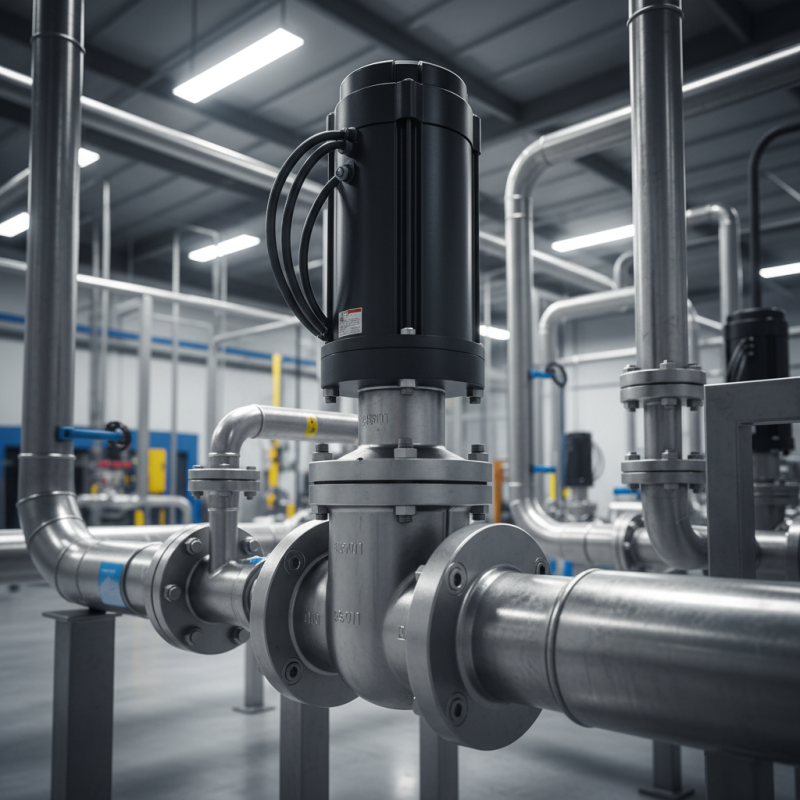
How to Choose the Right Actuated Ball Valve for Your Needs?

Understanding Actuated Ball Valves and Their Applications

Actuated ball valves are essential in many industrial applications. They combine the straightforward operation of a ball valve with an actuator. This setup allows for precise control of fluid flow in piping systems. In chemical processing, these valves manage corrosive substances. They are crucial in water treatment facilities to control water supply and pressure.

Selecting the right actuated ball valve depends on several factors. Consider the media it will handle. The valve must resist corrosion if dealing with harsh chemicals. Size is another critical factor. A valve that is too small may restrict flow. Too large, and you risk inefficiency. Also, check the actuator type. Electric actuators provide quick responses, while pneumatic actuators are often more cost-effective.

Understanding applications helps guide this selection. Valves used in the food and beverage industry must meet stringent safety standards. Valves in oil and gas sectors must endure extreme pressures. Reflecting on your specific needs will assist in making an informed decision. Each environment has unique challenges, highlighting the importance of thoughtful selection.

Factors to Consider When Selecting Actuated Ball Valves

Choosing the right actuated ball valve involves understanding several crucial factors. The application type is paramount. Consider the media flowing through the valve. Is it corrosive, high-temperature, or viscous? Identifying the media helps determine the materials needed for durability and performance.

The valve size should match your piping specifications. Incorrect sizing can lead to inefficiencies. A valve too large may cause flow turbulence. Conversely, a valve that's too small may fail to manage required flow rates. Additionally, think about the pressure rating. Ensure the valve can handle the maximum pressure in your system.

Control options also play a significant role. Decide if you need manual override or remote operation. Some systems require precise control, while others can function with basic on/off capabilities. Don’t overlook the power source for the actuator either; make sure it aligns with your infrastructure. Balancing all these factors is essential, but even experienced professionals may find surprises along the way. Each choice impacts overall system effectiveness.

Actuated Ball Valve Selection Factors

This bar chart represents the importance rating of various factors to consider when selecting an actuated ball valve. The factors include size, pressure rating, temperature range, and material compatibility. A higher rating indicates greater importance in the selection process.

Types of Actuators for Ball Valves: Electric vs. Pneumatic

When choosing actuated ball valves, understanding the types of actuators is crucial. Two main options are electric actuators and pneumatic actuators. Electric actuators offer precise control and are energy-efficient. They can handle a wide range of applications, making them suitable for both simple and complex systems. A recent industry report indicates that the electric actuator market is expected to grow at a CAGR of 6.5% over the next five years. This reflects their increasing adoption in various sectors.

On the other hand, pneumatic actuators are valued for their speed and reliability. They can operate in environments where electricity is impractical. Their rapid operation makes them ideal for high-frequency applications. However, they require compressed air, which can lead to increased operational costs. A comparison highlights that pneumatic systems can achieve response times as low as 0.5 seconds. Yet, that rapid action could lead to issues if not properly managed.

It's essential to evaluate the specific needs of your system. Each actuator type has its strengths and weaknesses. For instance, while electric actuators may offer better energy efficiency, pneumatic actuators can excel in emergency shutdowns due to their quick action. An understanding of these nuances can lead to better valve selection and improved operational efficiency.

Sizing and Compatibility: Ensuring the Right Fit for Your System

Choosing the right actuated ball valve hinges on proper sizing and compatibility. The valve must suit your system specifications. Mistakes in sizing can lead to leaks or insufficient flow control. It’s important to measure the pipe diameter accurately. An ill-fitting valve may compromise system integrity.

Compatibility with your existing equipment is critical. Consider the valve's material and pressure rating. Corrosion resistance matters when dealing with aggressive fluids. Ensure the actuator can handle the required torque. Take note of installation space; awkward placements can complicate maintenance.

Reflect on your system’s requirements. Don’t overlook the importance of a well-matched valve. Sometimes, opting for a slightly larger valve can prevent future issues. Extensive research and consultation can enhance decision-making. Engaging with experts or utilizing sizing software may yield better outcomes. Remember, making informed choices reduces potential risks.

How to Choose the Right Actuated Ball Valve for Your Needs? - Sizing and Compatibility: Ensuring the Right Fit for Your System

Parameter Description Example Values
Size Nominal diameter of the valve 1", 2", 3", 4"
End Connections Type of connection for the piping Flanged, threaded, welded
Material Material of the valve body Stainless Steel, Carbon Steel, PVC
Pressure Rating Maximum pressure the valve can handle 150 psi, 300 psi, 600 psi
Temperature Range Operating temperature limits for the valve -20°C to 200°C
Actuation Type Method of valve actuation Electric, Pneumatic, Hydraulic
Flow Coefficient (Cv) Measure of flow capacity 10, 20, 40
Body Style Configuration of the valve body Two-Way, Three-Way

Maintenance and Longevity: Choosing Durable Actuated Ball Valves

When selecting actuated ball valves, durability is crucial. These valves need to withstand various pressures and temperatures. The material of construction plays an essential role. Often, stainless steel is favored for its resistance to corrosion. However, other materials can also offer benefits depending on the environment.

Tips: Consider the operating conditions of your system. Are there high pressures or extreme temperatures involved? Choose a valve made from materials designed for those conditions. Always ask for technical data sheets to confirm durability claims.

Regular maintenance is key to extending the lifespan of actuated ball valves. Even with high-quality materials, wear and tear can impact performance. Inspect seals and gaskets routinely. Replacing worn parts can prevent leaks and valve failures.

Tips: Develop a preventive maintenance schedule. Keep records of inspections and replacements. This will help identify patterns over time. Understand that even the best valves need monitoring and care to perform their duties effectively.

FAQS

: What factors should I consider when selecting an actuated ball valve?

: Consider application type, media characteristics, valve size, pressure rating, and control options.

How does media type affect valve selection?

Media can be corrosive, viscous, or high-temperature, influencing material choice and durability.

Why is valve size important?

Incorrect size may cause inefficiencies. A large valve can produce turbulence, while a small one may fail to manage flow.

What role does pressure rating play?

Ensure the valve can handle the system's maximum pressure to prevent failures.

What are the main types of actuators for ball valves?

The two main types are electric actuators and pneumatic actuators, each with unique features.

What are the benefits of electric actuators?

They provide precise control, energy efficiency, and are suitable for many applications.

Why might someone choose pneumatic actuators?

They offer speed and reliability, especially in environments where electricity is not available.

What should I consider about the power source for actuators?

Ensure the actuator’s power source aligns with your existing infrastructure and operational needs.

How can actuator selection impact system efficiency?

Each type has strengths and weaknesses affecting performance and operational efficiency; careful evaluation is essential.

What are the potential downsides of rapid pneumatic systems?

Rapid operation might lead to management issues if not properly controlled, which can cause unexpected problems.

Conclusion

When selecting the right actuated ball valve for your needs, it is essential to understand their functionality and applications. Actuated ball valves are vital components in various industries, providing efficient fluid control. Key factors to consider include the type of actuator—electric or pneumatic—each offering distinct advantages depending on the operational requirements. Additionally, ensuring proper sizing and compatibility with your system is crucial for optimal performance.

Maintenance is another critical aspect, as choosing durable actuated ball valves can significantly impact their longevity and reliability. By assessing these factors, you can select an actuated ball valve that not only fits your system's requirements but also ensures effective and long-term operation in your specific application.


Isabella

Isabella

Isabella is a dedicated marketing professional with a sharp focus on driving brand growth and engagement through strategic content creation. With an extensive background in digital marketing, she combines her passion for storytelling with her keen understanding of industry trends to deliver......