Choosing the correct Butt Welded Valve is not a catalog exercise. It is a process-safety decision.
Grand View Research estimates that the global industrial valves market reached approximately USD 78.9 billion in 2023. Its report also projects steady growth through 2030, driven by energy, water, chemical, and manufacturing projects. This expansion increases product variety, but it also complicates selection. A valve that performs well on a clean-water line may fail quickly in a high-temperature hydrocarbon system.
Field experience shows why details matter. Pipe size is only the beginning. Engineers must examine pressure class, temperature range, fluid composition, corrosion risk, flow direction, and maintenance access. A stainless-steel body may resist external corrosion, yet its seat material could still degrade under aggressive chemicals. Small oversights become expensive leaks.
Standards provide a reliable starting point. ASME B16.25 defines butt-welding end dimensions, while API 6D addresses pipeline valve design and testing. For fugitive-emission concerns, ISO 15848-1 offers a recognized classification method. The American Petroleum Institute’s annual safety and environmental reporting also highlights the importance of controlling releases across energy operations. These documents do not replace engineering judgment. They support it.
This guide explains how to compare body materials, valve types, end connections, actuation methods, and testing requirements. It also considers lifecycle cost, not only purchase price. The cheapest valve may demand frequent shutdowns. That is not a saving.
Some recommendations remain application-dependent. No universal valve exists. Actual operating data, including pressure spikes and start-stop frequency, may be incomplete. Therefore, readers should verify specifications with qualified engineers, manufacturers, and applicable project standards before purchasing a Butt Welded Valve.
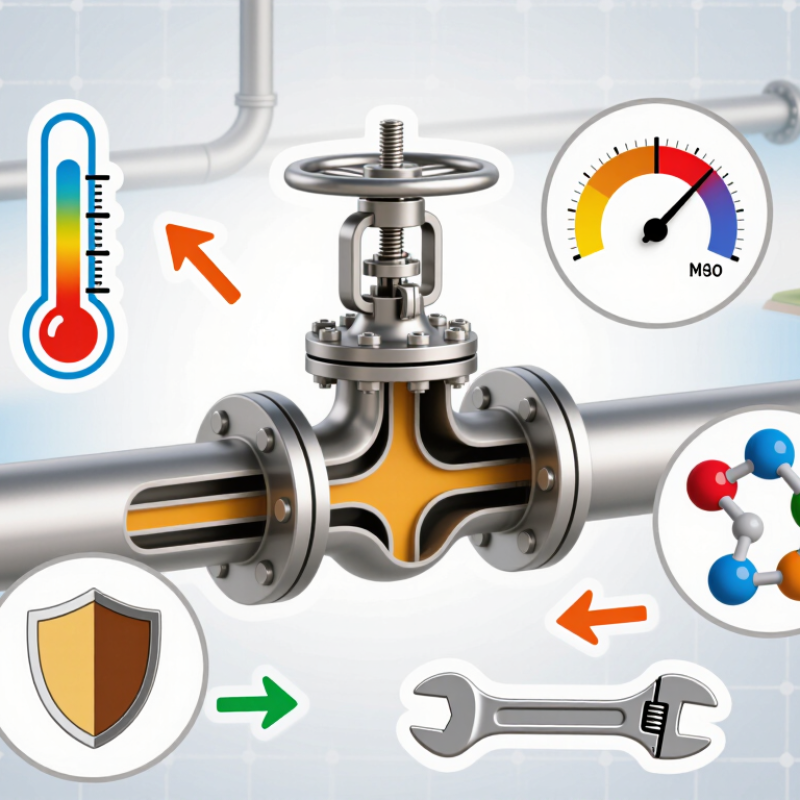
Define Butt Welded Valves and Their Main Applications
How to Choose the Right Butt Welded Valve?
A butt welded valve has beveled ends welded directly to the pipe. This connection removes flange faces, bolts, and many potential leak paths. It also creates a compact, permanent joint for demanding service. The valve body and pipe must share compatible materials and wall thicknesses. Otherwise, welding can introduce stress, distortion, or premature cracking. The definition sounds simple. Selection is not.
Butt welded valves are widely used in oil and gas pipelines, chemical processing, power generation, cryogenic systems, and high-purity manufacturing. They suit high pressure and high temperature because the welded joint supports a smooth flow path. Grand View Research estimated the global industrial valves market at about USD 78.7 billion in 2023. Its forecast also indicates continued growth through 2030, driven by energy, water, and process industries. This figure includes several valve types, not butt welded valves alone. That distinction matters. The U.S. Energy Information Administration also continues to identify petroleum, natural gas, and refining infrastructure as major industrial energy sectors. These systems require carefully specified isolation and control valves.
Tips: Check the pipe schedule, pressure class, operating temperature, fluid chemistry, and applicable welding code. Request material certificates and documented non-destructive testing. For frequent maintenance, reconsider a fully welded design. Access may be difficult after installation. A valve that meets the pressure rating can still be poorly selected for thermal cycling or field repair. When uncertain, review the complete piping design with a qualified engineer.
Match Valve Materials with Fluid, Temperature, and Pressure Conditions
Choosing a butt-welded valve starts with the fluid, not the catalog.
Identify its composition, concentration, solids, viscosity, and contamination. Water, hydrocarbons, acids, and oxygen require different material strategies. Carbon steel may suit clean, moderate services, but corrosion allowance must be verified. Stainless alloys resist many corrosive fluids, yet chlorides can cause pitting or stress corrosion cracking. Do not assume “stainless” means universal protection. In field inspections, small material mismatches have caused leaking seats and difficult maintenance.
Temperature changes the decision.
At high temperatures, body strength, gasket stability, and stem expansion require careful review. At low temperatures, toughness matters because some steels can become brittle. Pressure is equally important. Confirm the valve class, design pressure, pressure-temperature rating, wall thickness, and upstream surge conditions. A fluid may seem harmless at room temperature, then become aggressive under heat. That detail is often missed. Match the body, trim, seat, and weld-end material, not only the valve shell.
Tips:
Request a written material compatibility review and certificates for the body, trim, and weld ends. Compare actual operating temperatures with startup, shutdown, and upset conditions. Check welding procedures, heat treatment, and non-destructive testing requirements. A rough selection can appear acceptable on paper. Recheck it with process and welding engineers. I would also question any recommendation based only on nominal pipe size; pressure, fluid chemistry, and weld quality deserve equal attention.
Select the Valve Type, Size, Rating, and Weld-End Configuration
Choosing a butt welded valve starts with the valve type. Ball valves suit fast, tight shutoff, while gate valves support low-resistance isolation in larger lines. Globe valves offer better throttling control, but they usually create more pressure loss. Check the medium carefully. Corrosive fluids, abrasive particles, steam, and clean gases may require different body and trim materials. Do not guess.
Valve size should match the connected pipe and the required flow, not simply the line diameter. Review flow rate, pressure drop, operating temperature, and available space around the valve. An oversized valve may operate poorly at low flow. An undersized valve can create excessive velocity and noise. I have seen drawings that matched nominal sizes but ignored wall thickness. That mistake can affect alignment and welding preparation.
The pressure rating must cover the maximum working pressure and temperature together. Confirm the rating from recognized design standards and the project specification, then review the supplier’s pressure-temperature chart. For weld-end configuration, compare pipe schedule, outside diameter, wall thickness, bevel angle, and end-to-end dimensions. Standards such as ASME B16.25 can guide weld preparation, but project requirements may be stricter. Inspectors should also verify material certificates, weld procedures, heat treatment needs, and pressure-test records. A valve can look correct and still fail installation checks. Allow room for correction before the pipe reaches the site.
Evaluate Flow Control, Sealing Performance, and Maintenance Needs
Choosing the right butt welded valve begins with the actual flow duty, not the pipe size alone.
In field inspections, I check fluid velocity, pressure drop, temperature changes, and required shutoff frequency. A full-bore design can reduce turbulence in high-flow lines. A reduced-bore valve may be acceptable where space and cost matter more.
Flow control must match the process.
Some valves isolate reliably but perform poorly during throttling. Repeated partial opening can cause vibration, noise, and seat damage. Confirm the valve’s pressure-temperature rating and material compatibility with the fluid. Ask for documented leakage tests. Small details matter.
Sealing performance deserves close attention during thermal cycling.
Metal seats tolerate heat and abrasive media, while resilient seats may provide tighter closure at moderate temperatures. However, seat selection should follow the fluid chemistry and operating range. Weld quality also affects reliability. Inspect the weld procedure, surface finish, and alignment requirements before installation.
Maintenance planning is easy to overlook.
A butt welded valve has fewer external leak paths, but removal may require cutting the pipe. That can increase downtime. I prefer accessible operators, clear inspection space, and a practical replacement plan. This is not always the cheapest arrangement. A rushed choice can save money today and create a difficult repair later.
Conclusion
Choosing the right Butt Welded Valve begins with understanding its role in a piping system and the demands of the application. These valves are commonly used where a strong, permanent connection is required, especially in process, energy, chemical, and industrial systems. Selection should match the valve material to the fluid’s properties, operating temperature, and pressure. Engineers must also consider the appropriate valve type, nominal size, pressure rating, and weld-end configuration to ensure compatibility with the pipeline and operating conditions.
Performance and long-term reliability are equally important. Evaluate flow control accuracy, shutoff and sealing performance, corrosion resistance, and access requirements for inspection or maintenance. Before purchasing, verify applicable design and testing standards, material certificates, inspection records, and other quality documents. Proper installation, welding procedures, alignment, and testing can prevent leakage and premature failure. Finally, compare the total cost, including procurement, installation, maintenance, energy consumption, and service life, rather than focusing only on the initial price.
 Shoulong Valve
