Selecting a Cryogenic Ball Valve is not a catalog exercise. In LNG and other low-temperature services, valve performance depends on more than nominal size and pressure rating. Temperature, process fluid, operating frequency, and installation orientation all matter. At LNG temperatures near −162°C, small design choices can affect sealing, operation, and maintenance access. That is unforgiving.
The scale of the industry makes careful selection practical, not academic. GIIGNL’s Annual Report 2024 records global LNG trade of approximately 401.4 million tonnes in 2023. That figure does not predict the needs of any single facility. It does show why reliable cryogenic equipment receives sustained engineering attention. A valve specification should be checked against the actual service conditions, not copied from a similar project without review.
This guide explains how to compare valve materials, seat designs, stem extensions, pressure ratings, and testing documentation. It also highlights questions worth asking suppliers, including how they verify low-temperature sealing and account for thermal contraction. A polished datasheet helps, but it cannot replace project-specific checks. I would be cautious about treating any one valve design as universally best; real operating details can change the answer. Small details matter.
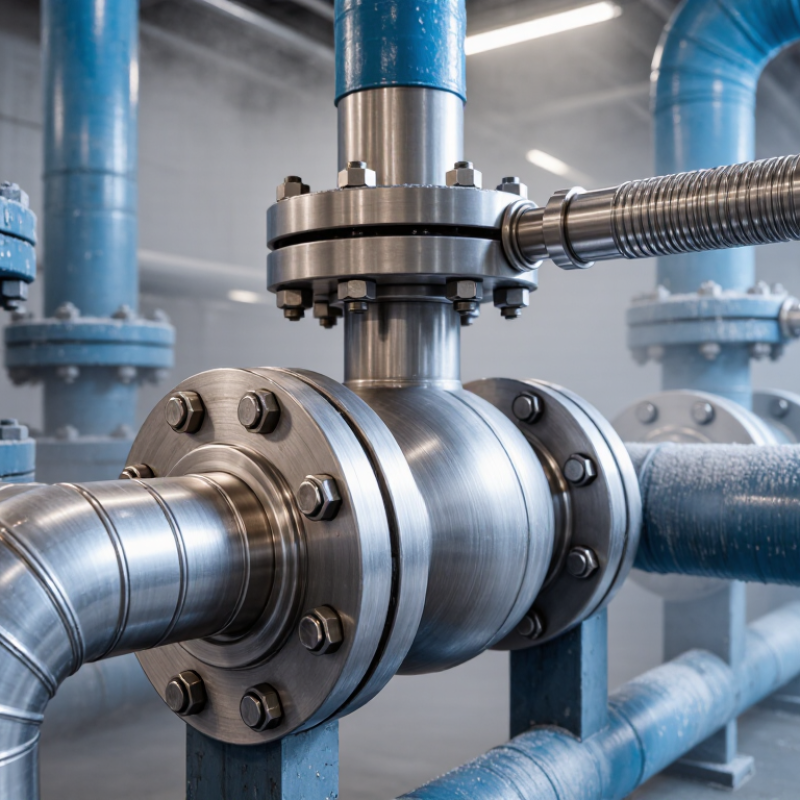
Cryogenic valve selection begins with the actual service envelope, not the pipe size. Record the fluid, minimum and maximum temperatures, pressure, flow direction, cycling frequency, and required leakage class. Methane boils at approximately -161.5°C, while hydrogen boils near -252.9°C, according to the NIST Chemistry WebBook. These temperatures demand very different materials, clearances, and insulation strategies.
LNG service also operates at significant scale. The International Gas Union’s World LNG Report 2024 recorded global LNG trade of about 404.3 million tonnes in 2023. That volume increases attention on reliable isolation and emergency shutdown performance. Ask whether the valve will face rapid cooldown, trapped liquid, vibration, or repeated thermal cycling. A valve that performs well in steady operation may struggle after hundreds of temperature changes.
Pressure deserves equal attention. Check the design pressure at the coldest condition, then verify pressure-temperature ratings against ASME B16.34 and applicable project standards. For oxygen service, cleanliness and material compatibility require separate controls. For hydrogen, permeation and leakage risks deserve careful review. Do not assume “cryogenic” is a complete specification. It is not. A neat data sheet can still hide an unsuitable stem extension, seat material, or relief path. Field experience suggests reviewing the cooldown procedure with operators before approving the valve. That step is often missed.
Material choice governs safety, leakage control, and service life in cryogenic systems. GIIGNL’s 2024 Annual Report recorded global LNG trade at 404.3 million tonnes in 2023. That scale increases demand for dependable low-temperature valves. Austenitic stainless steel, such as 304L or 316L, is widely selected because it retains toughness near LNG temperatures. Carbon steel can become brittle. That is a serious weakness.
Seat and seal materials need equal attention. PTFE offers low friction and chemical resistance, while PCTFE can provide better dimensional stability in severe cold. However, no polymer is perfect. Repeated thermal cycling may cause shrinkage, wear, or leakage. The design should include a suitable stem extension, keeping packing away from the cold zone. A cavity-pressure relief feature can also reduce unwanted pressure buildup inside the ball cavity.
Construction matters as much as metallurgy. Floating-ball designs suit many moderate-pressure duties, while trunnion-mounted designs can reduce operating torque in larger valves. ISO 28921-1 addresses industrial isolation valves for low-temperature applications, including design and testing requirements. API 6D also provides widely used guidance for pipeline valve construction and performance. Buyers should request documented cryogenic testing, material certificates, and seat-leakage results. A polished specification can still miss installation realities. Check thermal contraction, actuator sizing, insulation clearance, and cleaning requirements before approval.
Choosing a cryogenic ball valve starts with the actual operating envelope, not the line’s nominal rating. Methane boils at about −161.5°C, while nitrogen boils near −195.8°C at standard pressure, according to NIST Chemistry WebBook data. Those temperatures create different demands on materials, seals, and stem design. Check the valve’s pressure rating at the minimum operating temperature; a room-temperature rating alone is not enough. Also allow for startup, shutdown, and pressure surges. Small details matter.
Flow needs equal attention.
Compare the required flow rate and allowable pressure drop with the valve’s flow coefficient, or Cv, rather than choosing by pipe size alone. The GIIGNL Annual Report 2024 puts global LNG trade at about 401 million tonnes in 2023, a reminder that cryogenic service operates at substantial industrial scale. But that figure does not specify your valve duty. Specify the fluid, phase, temperature range, inlet pressure, and expected flow. Then review seat leakage limits and end connections against the project specification and applicable valve standards. One easy mistake is treating fully open
as no restriction.
It isn’t. And if operating data is uncertain, document the assumption and have the design checked before purchase.
When selecting a cryogenic ball valve, examine the sealing system under actual temperature conditions, not room-temperature samples. Thermal contraction can change seat loading and create leakage paths. Ask for helium leak-test records, pressure-test results, and a defined allowable leakage class. The stem seal deserves equal attention. Extended bonnets keep packing away from extreme cold, while proper materials remain flexible during repeated cycling. In practice, inspect the valve after several open-close cycles. A single factory test is useful, but incomplete.
Safety starts with trapped-liquid control. A closed ball can retain cryogenic fluid, and warming may create dangerous internal pressure. Confirm whether the design includes cavity relief or another engineered protection method. Check body and trim materials for low-temperature toughness, compatibility, and clean service. Oxygen-related applications require especially strict degreasing and contamination controls. Do not assume ordinary industrial cleanliness is sufficient.
Applicable standards should match the valve’s service, pressure rating, and installation region. Review requirements from standards such as ISO 28921-1, BS 6364, ASME B16.34, and ISO 5208, where relevant. These documents address design, testing, and performance, but they do not replace project-specific engineering. Request traceable material certificates, calibration records, and inspection procedures. A perfect checklist is tempting. It can still miss field realities, such as poor insulation or incorrect torque. Involve qualified engineers before approval.
How to Choose the Right Cryogenic Ball Valve
Maintenance planning should begin before the valve reaches the cold line. Cryogenic service brings thermal cycling, brittle materials, seat wear, and moisture-related icing. A valve may pass factory testing yet struggle after repeated cooldowns. Check the supplier’s maintenance instructions, torque limits, packing procedure, and replacement intervals. The U.S. Department of Energy’s Operations & Maintenance Best Practices guide reports that predictive maintenance can reduce downtime by 35–45%. That figure is not cryogenic-specific, but it supports a practical lesson: monitor valve performance before failure becomes visible.
Supplier support matters during a freezing morning shutdown. Ask for material certificates, pressure-test records, cryogenic test data, spare-seat availability, and documented response times. Technical support should explain whether the valve can be repaired in place. It should also identify safe warm-up conditions. I would not accept vague promises. A polished brochure cannot replace a clear failure-analysis process. In practice, operators should record operating temperature, cycle count, leakage trends, and actuator torque. These details help separate installation errors from design weaknesses.
Tips: Inspect stem packing for frost, unusual noise, or rising torque. Keep critical seal kits in controlled storage. Request a maintenance demonstration using gloves, gauges, and the actual actuator. The DOE guide also notes that preventive maintenance can deliver 12–18% savings over reactive maintenance. Still, every site differs. One checklist may miss hidden thermal stress. Review it after the first service season.
Normal boiling points at 1 atm illustrate the temperature range a valve may need to handle. Methane is shown as a reference for LNG; LNG is a mixture, so its composition and service conditions vary. Confirm material suitability, seal design, maintenance access, and service limits with the supplier for your actual application.
Materials, seals, and stems behave differently at very low temperatures. Methane boils near −161.5°C, while nitrogen boils near −195.8°C. Cold changes everything.
No. Check the pressure rating at the minimum operating temperature. Include startup, shutdown, and possible pressure surges.
Compare the required flow rate and pressure drop with the valve’s flow coefficient, or Cv. Pipe size alone can mislead you.
Specify the fluid, phase, temperature range, inlet pressure, and expected flow. Also confirm seat leakage limits and end connections.
No. A fully open valve can still create pressure loss. Review the actual Cv and system requirements.
Thermal cycling may cause seat wear, brittle materials, packing problems, or moisture-related icing. Factory testing cannot predict every field condition.
Request material certificates, pressure-test records, cryogenic test data, spare-seat availability, and response times. Vague promises are not enough.
Record operating temperature, cycle count, leakage trends, and actuator torque. Inspect packing for frost, unusual noise, and rising torque.
Store critical seal kits in controlled conditions. Request a hands-on maintenance demonstration with gloves, gauges, and the actual actuator.
Probably not. A checklist may miss hidden thermal stress. Review it after the first service season and correct weak assumptions.
Choosing the right Cryogenic Ball Valve begins with a clear understanding of the service conditions, including the operating temperature, process medium, pressure range, and expected flow. These factors help determine suitable valve materials and construction, since components must remain reliable and functional in extremely cold environments. Compare material compatibility and design features with the demands of the application rather than selecting a valve by size alone.
Next, confirm that the valve can meet the required pressure, temperature, and flow performance, and review its sealing and safety features. Check that its design aligns with applicable industry standards and the requirements of the installation. Finally, consider maintenance access, inspection needs, replacement parts, and the level of technical support available from the supplier. Taking these points together can help you choose a valve that is dependable, practical to maintain, and appropriate for its intended cryogenic service.
Shoulong Valve