Choosing the right cryogenic ball valve can be a daunting task. The complexity of cryogenic applications requires careful consideration and expertise. This specialized valve plays a crucial role in controlling the flow of cryogenic fluids. Design, materials, and functionality are key factors that must be evaluated.
Understanding the unique demands of cryogenic environments is essential. A cryogenic ball valve must withstand extreme temperatures and pressures. Selecting the wrong one can lead to operational failures and increased costs. Each application's requirements vary, making a one-size-fits-all solution inappropriate.
Experience in the industry offers valuable insight. Many users overlook critical details during the selection process. Assessing the valve's compatibility with specific fluids is vital. The right choice enhances safety and efficiency in operations. Remember, a well-informed decision leads to smoother processes and fewer complications.
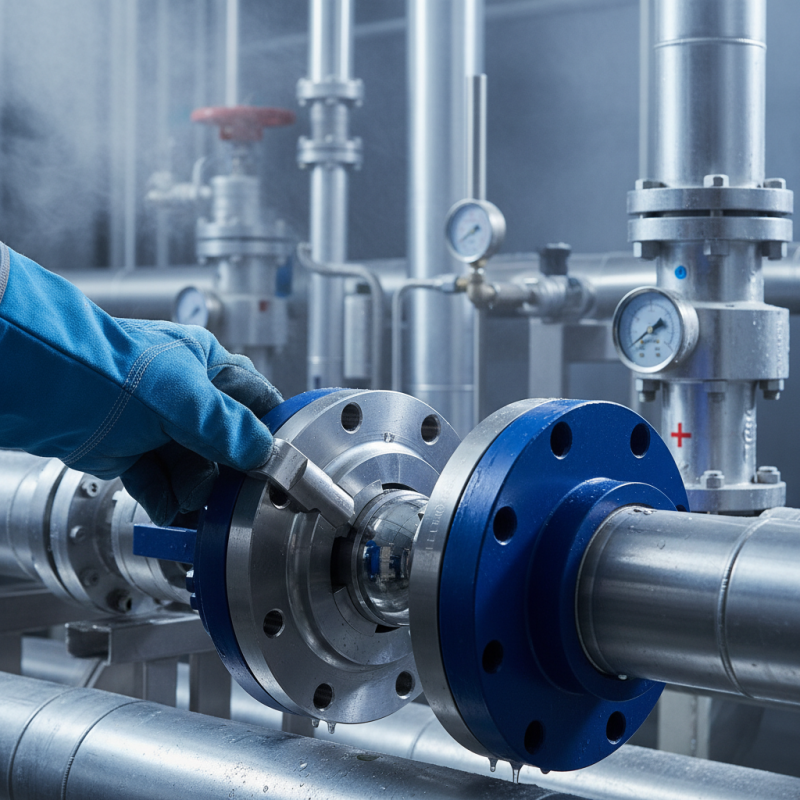
Cryogenic ball valves play a crucial role in industries that handle extremely low temperatures. These valves are designed to control the flow of gases and liquids at cryogenic temperatures, typically below -150 degrees Celsius. This capability makes them essential in applications like liquefied natural gas (LNG) processing and aerospace technologies. Their functionality hinges on specialized materials that can withstand thermal stresses.
Choosing the right cryogenic ball valve requires an understanding of specific requirements. Factors such as pressure ratings, sealing mechanisms, and materials must be considered. For example, stainless steel and special alloys are often preferred for their durability against extreme conditions. The design should also allow for smooth operation under fluctuating temperatures. It's also important to evaluate the valve size and compatibility with existing systems; a mismatch can lead to operational failures.
Attention to detail in these choices ensures reliability in critical processes. However, some users overlook the importance of regular maintenance and inspections. Neglecting this aspect can lead to unexpected downtimes and operational inefficiencies. Understanding the intricate dynamics of cryogenic systems helps make better choices, fostering efficiency and safety in operations.
This chart illustrates the importance of various factors to consider when selecting the right cryogenic ball valves. Material compatibility, temperature range, and pressure rating are critical elements, ensuring the valves function efficiently in extreme conditions.
When selecting cryogenic ball valves, several key specifications come into play. One critical factor is the temperature rating. Cryogenic valves must endure extremely low temperatures. Choosing a valve that can handle these conditions is essential. Typically, temperatures can drop to -196°C. Be vigilant about the materials used in construction. Stainless steel and special alloys are common, but their performance varies.
Another important aspect is the valve size. The diameter impacts flow rates and pressure drop. It’s crucial to match the valve size with the piping system. Oversized or undersized valves can lead to inefficiencies. Pay attention to the connection type as well. Different configurations, such as flanged or threaded, can affect installation and performance.
Don't overlook the actuator type. Electric or pneumatic actuators can influence how quickly the valve opens or closes. Depending on the application, one may be more suitable than the other. Regular maintenance is crucial for cryogenic valves too. Check for leaks or signs of wear periodically. This attention to detail ensures reliable operation over time.
Choosing the right material for a cryogenic ball valve is crucial. In extreme temperatures, materials must withstand significant stresses. Common materials include stainless steel and specialized alloys. However, not all stainless steels perform well at cryogenic temperatures. Some lose strength and become brittle. This can lead to system failures.
When selecting materials, consider their thermal properties. Look for options that can maintain integrity under low temperatures. Conduct thorough research on material compatibility with the substances they will handle. For instance, some materials may react negatively in cryogenic environments. Understanding this aspect is critical for ensuring safety and performance.
It is often overlooked that sealing materials also play a role in durability. Gaskets and O-rings must be rated for cryogenic use. Standard materials might not provide the necessary durability. Inadequate choices can lead to leaks or system collapses. Testing different combinations can reveal the best options. Emphasis on testing and validation is essential. This experimentation can highlight unexpected weaknesses in your selections, guiding improvements.
When selecting a cryogenic ball valve, valve sizing is crucial. An improper size can lead to inefficiencies, safety hazards, and costly downtime. According to a report from the Cryogenic Society of America, approximately 20% of failures in cryogenic systems are linked to incorrect valve sizing. This statistic highlights the significant impact of making the right choice.
Choosing the right size involves understanding the flow requirements and the system's pressure conditions. For example, a valve that's too small can restrict flow, causing increased pressure drop and temperature fluctuations. Conversely, an oversized valve may not seal correctly, leading to leaks and reduced system performance. Optimization tools exist, yet many engineers still overlook fundamental calculations.
An often overlooked detail is the need for a margin of safety. Experts suggest including a 10% margin in sizing to account for unexpected changes in system conditions. This approach reduces the risk of operational failures. Notably, even experienced engineers miscalculate sizes occasionally, stressing the need for thorough reviews and confirmations. Up-to-date industry guidelines should also be considered to ensure reliability in your systems.
When selecting a cryogenic ball valve, evaluating the manufacturer's reputation is crucial. A reputable manufacturer often provides high-quality products and reliable customer support. Look for companies with a history of positive feedback and certifications. Check if they are recognized in the industry for their expertise. Reviews from past customers can also offer valuable insights into their service quality.
Consider not just the product, but also the support you may need. Technical assistance can be vital, especially during installation. Verify that the manufacturer offers comprehensive resources, such as guides or videos. A skilled support team can make a difference when troubleshooting issues. Communication should be prompt, ensuring you feel supported.
Tip: Compare different manufacturers and assess their commitment to customer satisfaction. This may involve reaching out with questions before a purchase. A manufacturer willing to engage shows confidence in their products. Review their response time and the clarity of information provided. This is essential in ensuring a smooth selection process and lasting investment.
| Criteria | Description | Importance Level |
|---|---|---|
| Manufacturer Reputation | Evaluate the historical performance and quality of the manufacturer. | High |
| Material Quality | Select materials that can withstand cryogenic temperatures and corrosive environments. | High |
| Technical Support | Ensure the manufacturer offers reliable customer and technical support post-purchase. | Medium |
| Certification and Compliance | Check for industry certifications that ensure safety and performance standards. | High |
| Cost Efficiency | Consider the overall cost of ownership, including maintenance and operation. | Medium |
: The temperature rating is essential, as valves must handle extremely low temperatures.
The size affects flow rates and pressure drop, impacting overall system efficiency.
Electric or pneumatic actuators determine how quickly the valve opens or closes, impacting performance.
Stainless steel and specialized alloys are common, but not all stainless steels perform well in cryogenic conditions.
Gaskets and O-rings must be cryogenic-rated to prevent leaks and ensure durability.
Oversized or undersized valves can cause inefficiencies and safety hazards in the system.
Including a 10% margin helps avoid failures due to unexpected system condition changes.
Conduct thorough calculations and reviews to prevent miscalculations, which even experienced engineers can make.
Incompatible materials might react negatively or lose strength at low temperatures, risking system failures.
Periodic checks for leaks and wear ensure reliable operation and longevity of the valves.
When selecting a Cryogenic Ball Valve, it is essential to understand its specific applications and the conditions under which it will operate. Key specifications such as pressure ratings, temperature limits, and operational characteristics must be carefully considered to ensure optimal performance. Material compatibility is crucial, as the valve must withstand extreme cold temperatures without losing integrity, making the choice of materials critical for durability.
Additionally, proper valve sizing is vital to guarantee that the Cryogenic Ball Valve effectively meets the flow requirements of your system. Lastly, evaluating the reputation and support of the manufacturer can provide peace of mind, ensuring that you choose a reliable valve while also having access to necessary technical assistance. By taking these factors into account, you can make an informed decision that enhances the efficiency and safety of your operations.

Shoulong Valve