As we look toward 2026, the Pipe Line Valve industry is poised for significant evolution. Expert David McAllister, a leading engineer in the field, notes, "The future of Pipe Line Valves lies in innovation and sustainability." Technologies are advancing rapidly. New materials, designs, and automation are on the horizon, transforming how we manage pipeline systems.
In recent years, the demand for reliable and efficient Pipe Line Valves has grown. Industries face challenges such as leaks, maintenance, and environmental concerns. Innovations like smart valves are beginning to help address these issues. Industry insiders suggest that the trend will focus on enhancing safety and minimizing risks.
However, there are areas where improvement is needed. The high cost of new technologies can hinder adoption. Many organizations struggle to keep up with the fast pace of change. As we prepare for 2026, collaboration across sectors will be crucial. Stakeholders must work together to ensure that advancements in Pipe Line Valves benefit all.
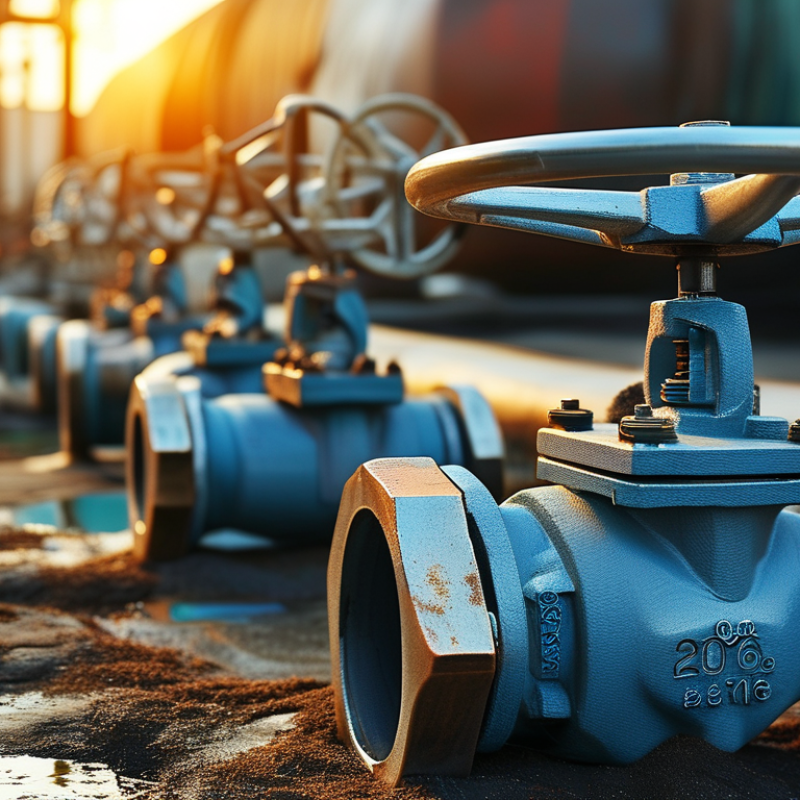
The landscape of pipeline valve design is on the brink of transformation. Emerging technologies are driving innovation, shaping the future of valves in 2026. Advanced materials, such as lightweight composites, are being integrated to enhance durability and efficiency. According to recent studies, the use of these materials can increase valve lifespan by 30%. This shift is crucial, as industries seek solutions to corrosive environments and extreme pressures.
Smart valve technology is gaining traction. Integrated sensors monitor performance in real-time, providing data for predictive maintenance. A report suggests that these smart valves can reduce downtime by up to 25%. However, the challenge lies in securing data transmission. Cybersecurity for these devices must evolve alongside technological advancements. The balance between innovation and safety needs careful consideration.
Digital twins are another notable trend. This technology allows engineers to create virtual replicas of valves for testing and optimization. It can lead to 20% more efficient design processes. Yet, the implementation requires substantial investment and expertise. Companies must weigh the benefits against their resources. As we approach 2026, the interplay of these technologies will redefine pipeline valve engineering.
The valve manufacturing industry faces increasing pressure to adopt sustainable practices. By 2026, it is forecasted that over 70% of manufacturers will prioritize eco-friendly materials. This shift aligns with global efforts to reduce carbon footprints.
In recent studies, around 60% of industry leaders acknowledge the need to rethink their production processes. Embracing recycled materials can significantly lower waste output. However, challenges remain. Sourcing sustainable materials can be costly and may affect product performance.
Moreover, energy-efficient manufacturing techniques are gaining ground. Reports suggest that factories reducing energy consumption by 30% will lead the way. Yet, not all manufacturers have the technology to implement these changes efficiently. The evolution of valve design to meet sustainability goals is crucial. Balancing cost and innovation is a complex task. The industry must navigate these challenges to remain competitive while contributing to a greener future.
This chart represents the projected growth in different sustainability trends impacting valve manufacturing practices by the year 2026.
The integration of smart valves and IoT in pipeline systems is a major trend shaping the industry by 2026. Smart valves offer advanced data collection and monitoring capabilities. These innovations enable real-time decision-making. According to a Markets and Markets report, the global smart valve market is projected to reach $5 billion by 2026, growing at a CAGR of over 15%. This growth reflects the increasing demand for efficiency and safety in pipeline operations.
IoT integration further enhances the functionality of smart valves. Sensors within these valves can detect leaks, pressure changes, and temperature variations. This data allows operators to respond quickly to potential issues. A report by Siemens indicates that IoT-enabled devices can reduce operational costs by up to 20%. However, adoption still faces challenges. Not all pipeline operators are prepared for the transition to smart technologies. Compatibility issues with existing infrastructure can be a significant barrier.
Despite these hurdles, the move towards smart systems shows promise. The benefits are clear, yet the implementation process requires careful consideration. Many operators will need to invest in training and infrastructure upgrades. As the industry progresses, understanding these complexities will be vital for successful integration.
The landscape of pipeline valve standards is evolving rapidly. Regulatory changes play a critical role in shaping these standards. As we approach 2026, it is essential to understand the implications of these alterations. Stricter environmental regulations are expected, focusing on emissions and safety protocols. Companies will need to adapt to keep up with these requirements.
Tip: Always stay updated on local regulations. This ensures compliance and mitigates risks.
Moreover, advancements in technology are pushing for smarter valves. Innovations like IoT-enabled valves are becoming more prevalent. These valves provide real-time data, improving operational efficiency. However, implementing such technology poses challenges. Training staff to handle new systems can be resource-intensive.
Tip: Invest in training programs for your team. It’s crucial for successful transitions to new technologies.
As regulatory bodies enforce stricter standards, the industry will see a shift. Companies must invest in research to meet these evolving requirements. Recognizing the importance of adaptability may shape the future of pipeline safety and efficiency. Consistent review of practices can reveal areas for growth.
As we look ahead to 2026, the pipeline valve industry is witnessing significant trends driven by innovation and market demands. Key players are focusing on smart valve technology, which incorporates IoT capabilities. This technology enables real-time monitoring and predictive maintenance. Enhanced efficiency and reduced downtime are essential benefits.
Additionally, sustainability remains a priority. Companies are investing in eco-friendly materials and practices. Valves that minimize leakage and enhance safety are more critical than ever. Innovations in material science introduce lightweight and durable options. This reduces energy consumption during transport.
Tips: When evaluating pipeline valves, consider long-term reliability. Look for features that support easy maintenance. Engaging with suppliers who prioritize sustainability can guide future decisions. Remember, not every new technology may offer the expected results; continuous assessment is crucial. Embrace change, but be cautious about quick adoption without thorough evaluation.
| Trend | Key Innovations | Market Impact | Growth Opportunities |
|---|---|---|---|
| Smart Valves | IoT Connectivity and Remote Monitoring | Enhanced Efficiency and Reduced Downtime | Investment in Automation Technologies |
| Sustainability Initiatives | Use of Recyclable Materials | Complying with Regulatory Standards | Expansion into Green Technologies |
| Automation and Robotics | Automated Valve Testing and Operation | Cost Savings and Labor Efficiency | Integration of AI in Operational Processes |
| Advanced Materials | Corrosion-Resistant Alloys and Polymers | Extended Product Lifespan | Research and Development in New Materials |
| Data Analytics | Predictive Maintenance Algorithms | Minimized Failure Rates | Partnerships with Tech Firms |
: Smart valves are advanced devices that collect data and monitor pipeline operations in real-time.
IoT allows smart valves to detect leaks and pressure changes, improving response times to issues.
The global smart valve market is expected to reach $5 billion by 2026, growing over 15% annually.
Compatibility with existing infrastructure and the readiness of operators are significant barriers to adoption.
Stricter environmental regulations will require companies to adapt their practices to ensure compliance.
Companies should invest in training programs and infrastructure upgrades for effective implementation of new systems.
Data collection provides insights that help in making informed decisions, enhancing efficiency and safety.
Training is essential, as it equips staff to manage new technologies and adapt to evolving industry standards.
Regularly reviewing local regulations and updating practices can help minimize risks and ensure compliance.
Many operators struggle with resource allocation, which can hinder their ability to fully adapt to new technologies.
The article "Top Pipe Line Valve Trends to Watch in 2026" explores the transformative developments shaping the future of pipe line valve technology. Key themes include the emergence of innovative technologies that bolster valve design, focusing on automation and enhanced performance. Sustainability trends are also highlighted, emphasizing the shift towards eco-friendly manufacturing practices that reduce environmental impact, alongside the rising demand for smart valves integrated with IoT systems, enhancing monitoring and control capabilities in pipeline networks.
Additionally, the article discusses regulatory changes that are influencing standards within the industry, ensuring safety and efficiency are prioritized in pipe line valve operations. Market predictions spotlight significant players and anticipated innovations set to define the landscape in 2026, underscoring the dynamic nature of the pipe line valve market and the importance of staying ahead of these trends.

Shoulong Valve