When considering the right resources for industrial applications, choosing the right Carbon Steel Ball Valve is crucial. Renowned industry expert, Dr. Emily Carter, says, "The right valve can enhance efficiency and extend the lifespan of your system." Her insights highlight the importance of selection in maintaining operational integrity.
Carbon Steel Ball Valves offer durability and resistance to harsh conditions. These valves are vital in sectors like oil and gas, chemical production, and water treatment. Their strength ensures they can handle high pressure and temperature variations. However, not all Carbon Steel Ball Valves are created equal. It’s important to evaluate specific needs before making a purchase decision.
In a rapidly evolving marketplace, the choices can be overwhelming. Each option presents unique benefits and potential shortcomings. Some may excel in high-temperature environments but lack corrosion resistance. Others might be cost-effective but fall short in heavy-duty applications. Understanding these nuances is essential for making informed decisions.
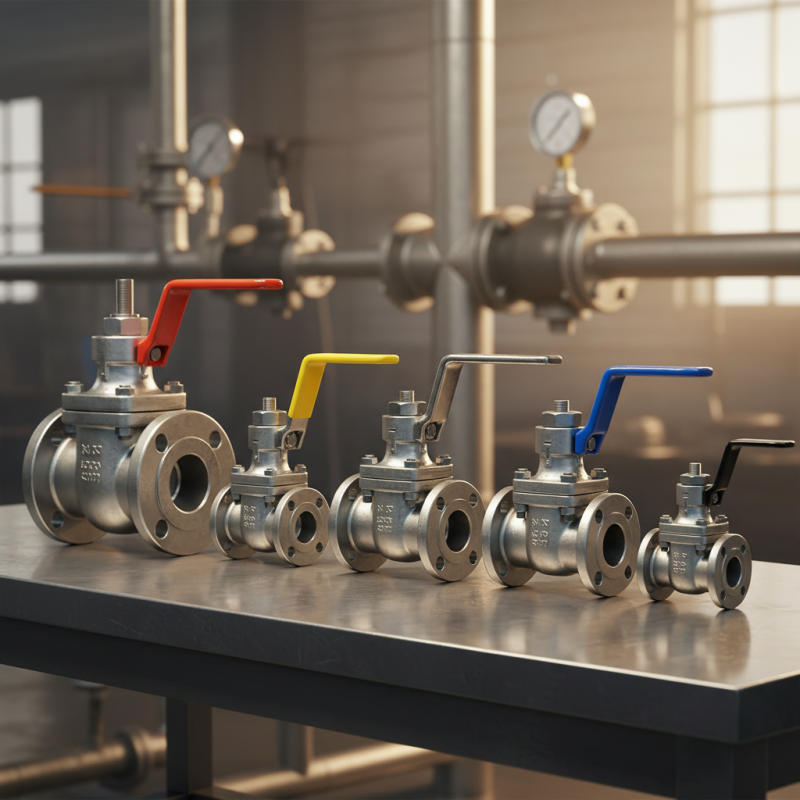
Carbon steel ball valves are essential in various industries due to their durability and efficiency. These valves are designed for quick shut-off and flow control, playing crucial roles in oil and gas, water treatment, and chemical processing. Their robust construction can handle high pressures and temperatures, making them suitable for demanding applications.
Different industries utilize carbon steel ball valves based on their specific needs. For instance, in the oil and gas sector, these valves manage the flow of hydrocarbons safely. In water treatment facilities, they regulate water flow and prevent backflow. However, not all carbon steel valves are the same. Some may rust or corrode if not properly maintained. Regular inspections can help detect potential issues before they become problems.
Users must consider their applications carefully when selecting carbon steel ball valves. Understanding the conditions under which the valves will operate is vital. This includes pressure, temperature, and the type of fluids involved. Making informed choices can enhance efficiency and prevent costly failures. It's worth reflecting on maintenance requirements to ensure long-term reliability.
When selecting carbon steel ball valves, several key features warrant close attention. One critical aspect is pressure rating. These valves must withstand specific pressure applications without leaking. According to industry reports, a pressure rating of at least 150 PSI is common for many industrial applications. Higher ratings, such as 300 PSI, can further improve reliability in demanding environments.
Another vital feature is the temperature range. Carbon steel valves typically operate efficiently between -20°F to 400°F. However, exceeding temperature limits can lead to premature failure. In a study by the American Society of Mechanical Engineers, it was noted that improper temperature management could shorten valve lifespan by up to 50%.
The choice of seal materials is equally important. Common options include PTFE and graphite, each offering varying degrees of chemical resistance and temperature tolerance. The right seal enhances both reliability and longevity. A 2022 report from the Valves Manufacturers Association indicated that nearly 30% of valve failures stem from improper seal material selection. Thus, assessing environmental conditions and chemical exposure is crucial in ensuring optimal performance.
Choosing the right carbon steel ball valve is crucial for various industries. These valves offer durability and resistance to high pressures. Different applications require specific features, and understanding these can help make an effective choice.
For the oil and gas sector, consider valves that handle high temperatures and varying pressures. A robust design is essential to withstand harsh conditions. In water treatment facilities, valves must manage corrosion effectively. Opting for a valve with proper sealing can prevent leaks and ensure safe operation.
Tips for selection: Always assess the valve's pressure rating. This helps ensure it meets the required specifications. Additionally, examine the flow characteristics to avoid any pressure loss in your system. Consult industry experts for their insights on the latest advancements. Their experience can guide you to reliable options.
When evaluating choices, think about potential maintenance needs. Some valves may require more frequent servicing than others. Understanding lifecycle costs can lead to better long-term decisions. Aim for a balance between upfront costs and ongoing maintenance. This approach helps optimize your investment in carbon steel ball valves.
| Valve Type | Pressure Rating | Size Range (inches) | Temperature Range (°F) | Applications |
|---|---|---|---|---|
| Floating Ball Valve | 150 PSI | 1/2 - 6 | -20 to 200 | Water, Oil, Gas |
| Trunnion Mounted Ball Valve | 600 PSI | 2 - 12 | -50 to 400 | Chemical Processing, Oil & Gas |
| Full Port Ball Valve | 300 PSI | 3/4 - 8 | -20 to 250 | Water, Steam |
| Reducer Ball Valve | 150 PSI | 1 - 4 | -20 to 150 | HVAC, Water Systems |
| V-Port Ball Valve | 300 PSI | 1 - 6 | -20 to 250 | Flow Control, Water Treatment |
When selecting carbon steel ball valves, performance and durability are key factors. The inner mechanism influences how well a valve can handle pressure and temperature. Quality construction materials contribute to resistance against corrosion. A well-made valve can last for years, under the right conditions.
In terms of performance, flow capacity is crucial. While some valves manage lower flow rates, others excel in high-pressure situations. The sealing system also deserves attention. Effective seals reduce the risk of leaks, enhancing overall reliability. However, some models may struggle over time, leading to performance issues.
Durability often varies based on environmental factors. For instance, exposure to moisture could hasten wear and tear. It's important to consider operational conditions as well. Regular maintenance can help extend the lifespan of these valves. Evaluating user experiences can provide insight into long-term performance. Inconsistent user feedback may indicate that not all valves hold up well in demanding scenarios. This highlights the importance of thorough research before making a choice.
Proper maintenance is essential for extending the lifespan of carbon steel ball valves. Regular inspection helps identify any corrosion or wear affecting performance. Check the valve seats and seals; small issues can lead to significant leaks. Lubrication is vital, but ensure that you use the right type of lubricant. Over-lubricating can attract dust and debris, which can damage internal components. Regular maintenance schedules should be established to identify problems early.
Environmental factors play a crucial role in valve longevity. Extreme temperatures and humidity can lead to rust. For installations in harsh conditions, consider applying protective coatings. Inspect the surrounding area for leaks or punctures. Staying proactive can minimize unexpected failures. If a valve is showing signs of wear, consider consulting with a professional. Ignoring minor issues now can lead to big problems later. A little diligence can save you time and money.
This bar chart displays the reliability ratings for the top 5 carbon steel ball valve options. Each valve is rated on a scale of 1 to 10, showcasing their performance and reliability.
: They control flow in industries like oil, gas, and water treatment.
Regular inspections help detect rust or corrosion issues early.
Think about pressure, temperature, and type of fluids involved.
Quality materials and proper maintenance contribute to long-lasting performance.
Yes, moisture can lead to increased wear and tear over time.
Effective seals minimize leakage, enhancing the valve's reliability.
Some valves handle lower flow rates, while others excel under high pressure.
It can reveal how well valves perform over time in real-world situations.
No, the quality and maintenance level can vary significantly among different models.
Consider the long-term maintenance requirements and your specific application needs.
This article provides a comprehensive overview of Carbon Steel Ball Valves, emphasizing their applications across various industries. It discusses the key features to consider when selecting these valves, such as pressure ratings, temperature tolerance, and corrosion resistance. The article also highlights the top five Carbon Steel Ball Valve options tailored to meet different industry needs, presenting a comparative analysis of their performance and durability.
Additionally, the article offers valuable maintenance tips to ensure the longevity of Carbon Steel Ball Valves, helping users maximize their investment. By understanding the essential attributes and care for these valves, readers can make informed decisions that align with their operational requirements.

Shoulong Valve