In the modern era, the global energy landscape is undergoing a profound transformation. As energy security becomes a top geopolitical priority, the demand for high-integrity, high-performance flow control equipment has never been greater. From sub-zero cryogenic LNG processing facilities to high-pressure natural gas pipelines, the valves selected for these operations are the "silent sentinels" of industrial safety.
Reliability is not merely a feature—it is a requirement. A single failure in a pipeline valve can result in catastrophic downtime, financial loss, and severe environmental hazards. Therefore, procurement teams worldwide are increasingly shifting their gaze toward China’s advanced manufacturing sector, which has evolved from mass production to specialized, high-precision engineering capable of meeting the stringent requirements of API, ASME, and ISO standards.
Why do global EPC contractors and project managers increasingly source from China? It is no longer just about cost-efficiency; it is about the **integration of the supply chain**. Chinese manufacturers have mastered the complete lifecycle of valve production:
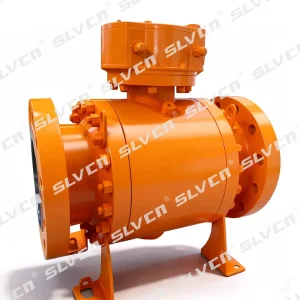
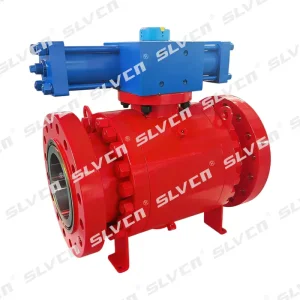
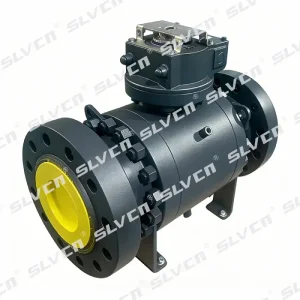
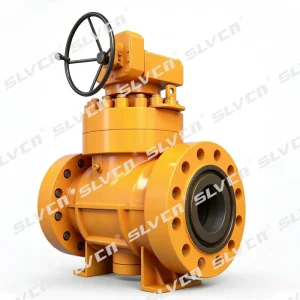
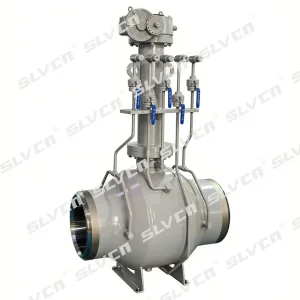
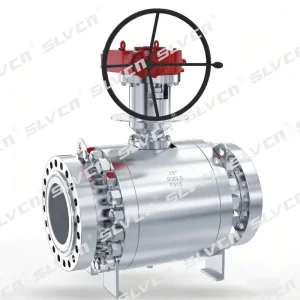
The movement of hydrocarbons across continents requires large-diameter, fully welded ball valves that can withstand ground shifts and temperature fluctuations. Our trunnion-mounted designs ensure that the ball remains stable under high flow velocities, reducing seat wear and preventing leaks.
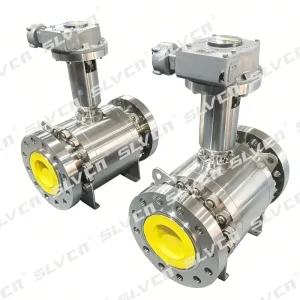
Operating at temperatures as low as -196°C, these valves require specialized austenitic stainless steels and extended bonnet designs to protect stem seals from freezing. We engineer cryogenic valves specifically to maintain seal integrity under rapid thermal cycling.
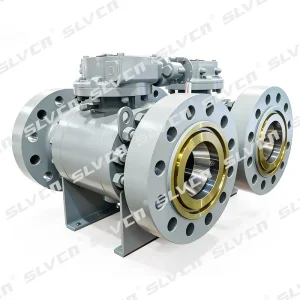
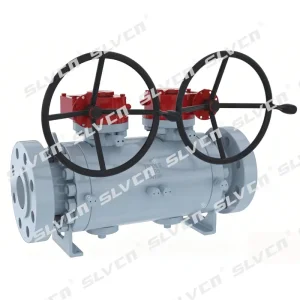
Double Block and Bleed (DBB) valves are critical for maintenance safety. By providing two independent seals in a single body with a bleed port, they allow technicians to verify the seal integrity and safely perform maintenance on downstream equipment without shutting down the entire pipeline.
The integration of IoT sensors into valve actuators allows for predictive maintenance, alerting operators to potential leaks or wear before they occur.
Adapting valve designs for hydrogen service, which presents unique challenges like hydrogen embrittlement and high permeability, is the new frontier for R&D.
Lean manufacturing processes in Chinese factories are reducing the carbon footprint of production, aligning with global ESG (Environmental, Social, and Governance) goals.
A: We implement a multi-stage testing process. This includes Positive Material Identification (PMI), hydrostatic pressure testing (Shell and Seat), and low-pressure air testing. All procedures follow API 598 or API 6D standards.
A: Yes. We specialize in project-based manufacturing. Our engineering team can translate specific project data sheets and P&ID requirements into finalized CAD designs for custom valve configurations.
A: Lead time varies based on material sourcing and valve size. However, due to our vertical integration and raw material inventory, we often beat traditional Western lead times by 30-40% while maintaining the same quality standards.
 Shoulong Valve