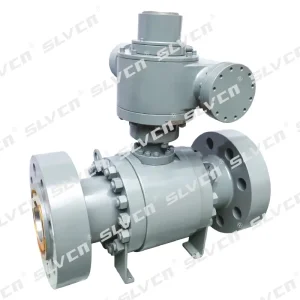
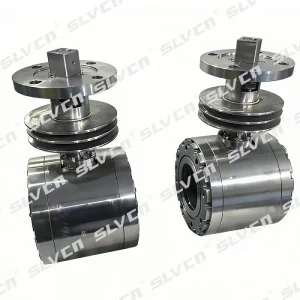
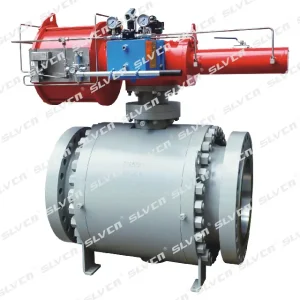
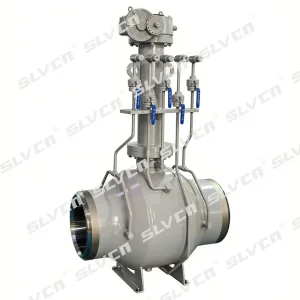
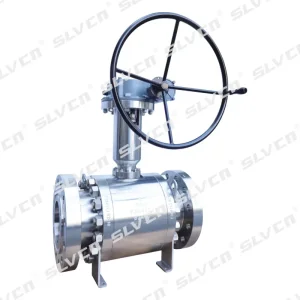
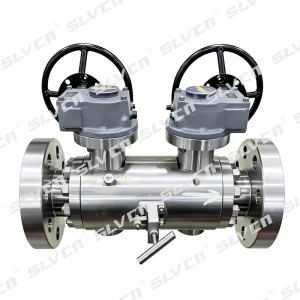
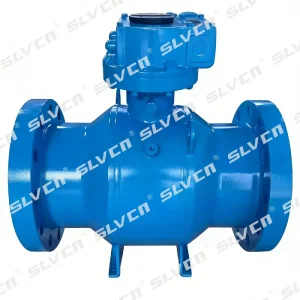
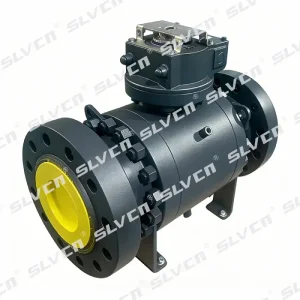
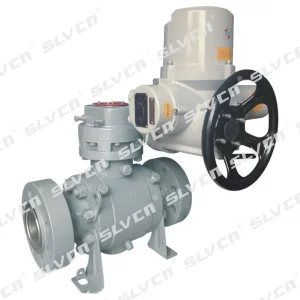
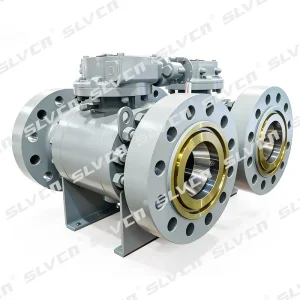
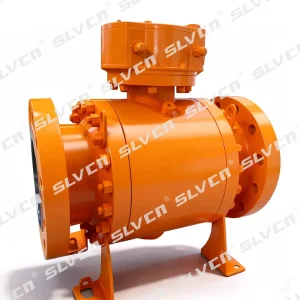
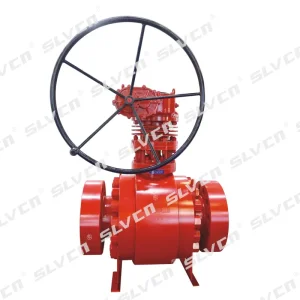
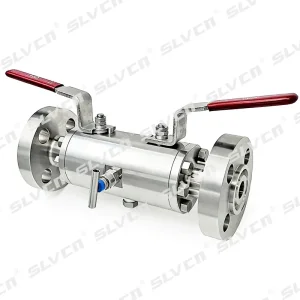
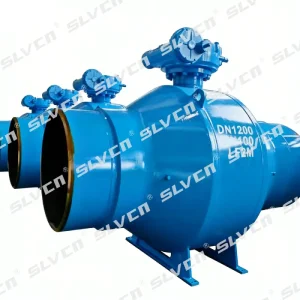
In the complex architecture of modern industrial infrastructure, the ball valve stands as the critical sentinel of flow control. As an OEM (Original Equipment Manufacturer), we understand that the demand for "20-inch ball valves" and their high-pressure, severe-service counterparts is not merely about mechanical hardware; it is about the integrity of the entire supply chain. Whether for midstream oil and gas pipelines, cryogenic LNG processing, or high-temperature chemical refinement, the precision of our engineering ensures that global energy transmission remains uninterrupted.
The global ball valve market is currently undergoing a paradigm shift. We are moving away from traditional, generic valve designs toward highly specialized, digitally-integrated, and material-optimized solutions. Current industrial requirements are pushing the boundaries of what was historically possible, necessitating:
As a premier supplier, our approach is not transactional but consultative. We provide Macro Industry Solutions that address the specific pain points of different sectors:
Q: Why should a project prioritize OEM direct sourcing over trading companies?
A: OEM direct sourcing allows for granular customization (e.g., specific trim materials, custom face-to-face dimensions) and direct control over quality assurance. By partnering with the factory, you eliminate communication gaps and ensure compliance with international standards like API 6D and ISO 9001.
Q: What is the significance of the DBB (Double Block & Bleed) design?
A: The DBB design provides two seating surfaces that allow for bleeding of the cavity between the seats. This is critical for verify seal integrity and ensuring absolute isolation in hazardous fluid systems, a cornerstone of safety protocols.
Q: How do you handle high-temperature applications (up to 500°C)?
A: We employ hard-sealing technology, utilizing specialized Stellite alloys for the seat and ball surfaces, combined with precise thermal expansion management to ensure the valve remains functional and leak-tight under extreme thermal cycling.
 Shoulong Valve