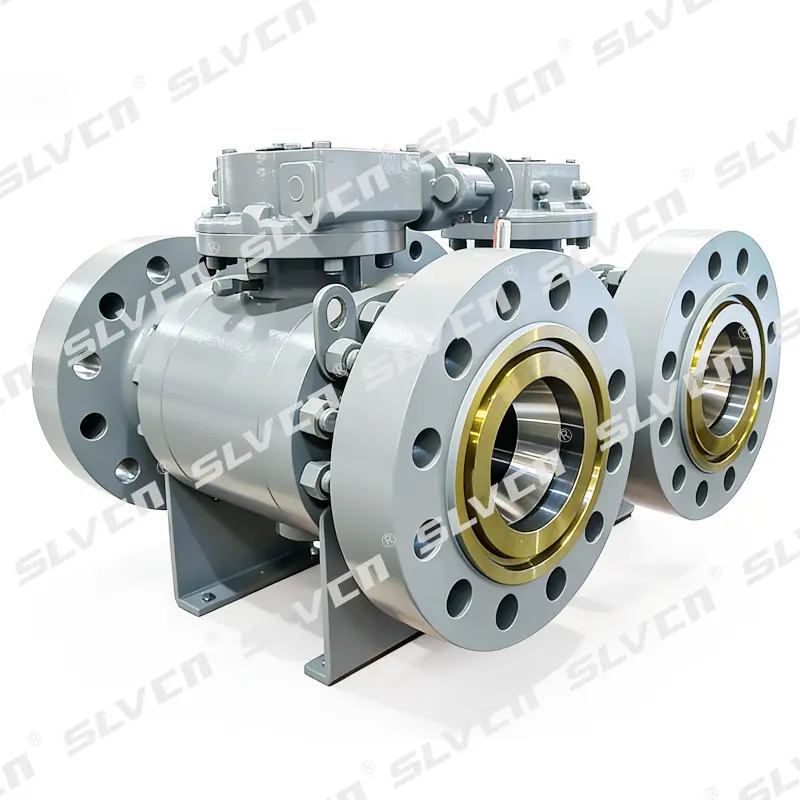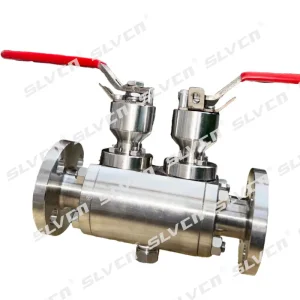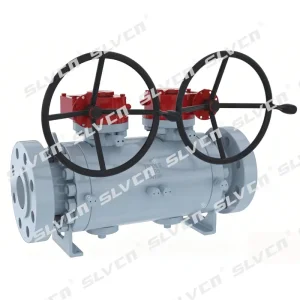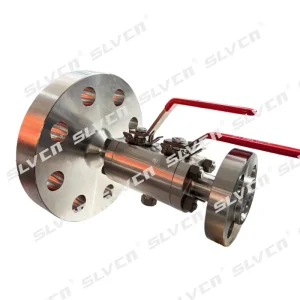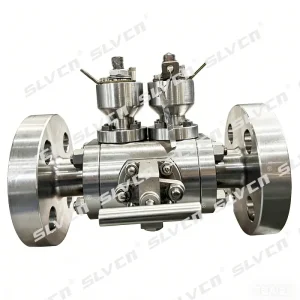
China Forged Steel Trunnion-Mounted DBB Ball Valve - Reliable Performance from China Suppliers and Factory Manufacturers, Factories

,

√ The True DBB design guarantees dependable isolation and secure pressure verification for critical applications.

,

√ Our metal-to-metal seats are engineered for outstanding performance, making them ideal for high-pressure severe service conditions.

,

√ Featuring a trunnion-mounted ball, this valve reduces operating torque while enhancing sealing stability for optimal efficiency.

,

√ Constructed from forged steel, our valves offer exceptional strength and long-lasting durability, suitable for various industrial needs.

,

√ With over 30 years of experience in valve manufacturing, we are a trusted China supplier, providing OEM support and reliable global solutions.

,

Product Description

Key Features

True Double Block & Bleed Seat Design

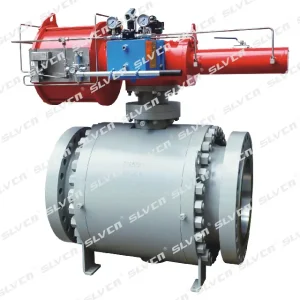
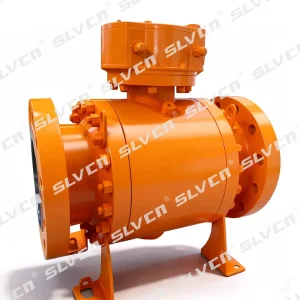
Trunnion-mounted ball with dual metal seats provides reliable upstream and downstream isolation and safe cavity pressure relief.

Metal-to-Metal Hard Seated Structure

Hardfaced metal seats ensure stable sealing performance under high temperature, high pressure, and abrasive severe service conditions.

Trunnion-Mounted Forged Steel Body

Forged steel body with trunnion support reduces operating torque and maintains structural integrity under extreme pressure loads.

Fire-Safe & Severe Service Ready

Metal seating design supports fire-safe performance and ensures reliable operation in critical oil, gas, and high-pressure applications.
Frequently Asked Questions
Q What is a True Double Block & Bleed (DBB) seat design and why is it important?
A True Double Block & Bleed seat design uses dual metal seats to simultaneously isolate pressure from both upstream and downstream directions while allowing safe venting of trapped cavity pressure. This is critical in oil and gas pipelines where positive isolation is required for maintenance, safety, and environmental compliance without the need for additional valves.
Q How does a metal-to-metal hard seated structure differ from a soft seated valve?
Unlike soft seated valves that use elastomeric or PTFE seals, metal-to-metal hard seated valves feature hardfaced metal seats typically coated with tungsten carbide or Stellite. This makes them far superior in high-temperature, high-pressure, and abrasive environments where soft seats would degrade or fail quickly, ensuring long-term sealing integrity in severe service conditions.
Q What are the advantages of a trunnion-mounted ball valve over a floating ball valve?
Trunnion-mounted ball valves feature a mechanically anchored ball supported by trunnions at the top and bottom. This fixed support absorbs pipeline pressure loads, significantly reducing the operating torque required to open or close the valve. They are the preferred choice for large-diameter and high-pressure applications where a floating ball design would require excessive actuation force and create undue seat wear.
Q What does fire-safe valve design mean and which standards apply?
A fire-safe valve design ensures that even if non-metallic components (such as elastomeric seals or stem packing) are destroyed in a fire, the metal-to-metal seating provides a secondary seal to prevent hazardous leakage. Common fire-safe standards include API 607, API 6FA, and BS 6755 Part 2. This is a mandatory requirement for valves used in critical hydrocarbon processing and offshore applications.
Q Why is a forged steel body preferred for high-pressure ball valves?
Forged steel bodies are produced under high compressive forces that align the grain structure of the metal, resulting in superior strength, toughness, and resistance to fatigue compared to cast steel. This makes forged steel valves particularly well-suited for demanding applications involving high pressures, temperature cycling, and mechanical stress, where structural integrity cannot be compromised.
Q In which industries are trunnion-mounted metal seated ball valves most commonly used?
These valves are widely used across the oil and gas industry (upstream, midstream, and downstream), petrochemical and refinery plants, LNG terminals, power generation facilities, and subsea pipeline systems. Their ability to handle extreme pressures, high temperatures, abrasive media, and fire-safe requirements makes them the standard choice for critical isolation service in these sectors.

Related Products