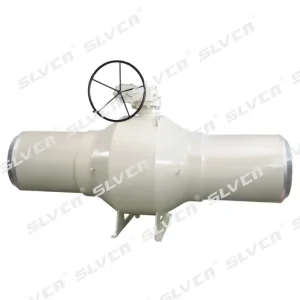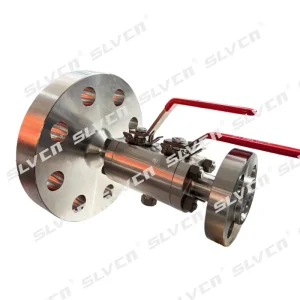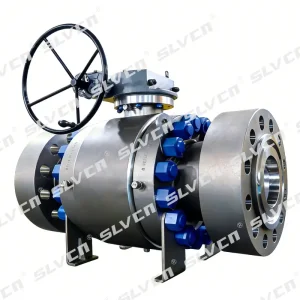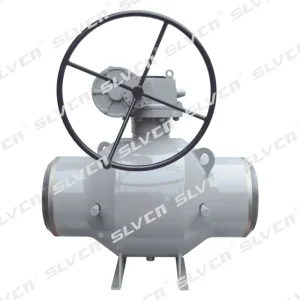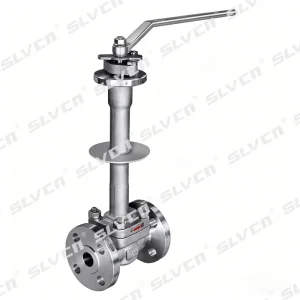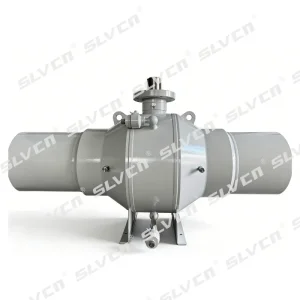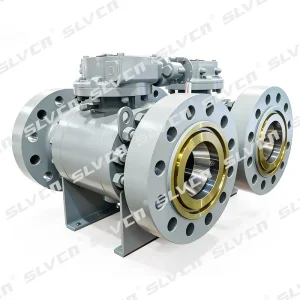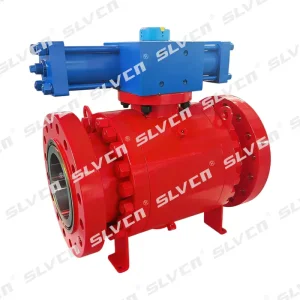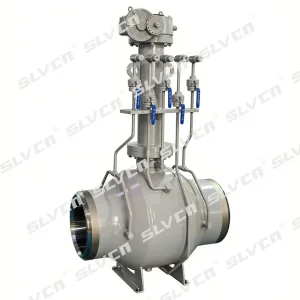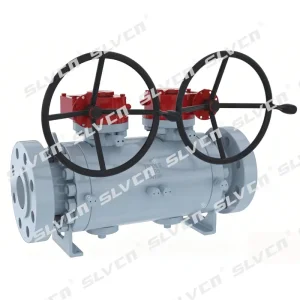
In the hierarchy of industrial flow control, the "Class 300" designation (referring to ASME B16.34 pressure-temperature ratings) represents the optimal balance between cost-efficiency and performance capability. For manufacturers and suppliers, producing a high-quality Ball Valve 300 requires more than just casting capabilities; it demands a deep understanding of metallurgy, precise tolerance engineering, and rigorous testing protocols.
Our commitment to E-E-A-T (Experience, Expertise, Authoritativeness, Trustworthiness) begins with our raw material sourcing. By utilizing forged carbon steel and stainless steel alloys, we ensure that every valve withstands the fatigue of cyclic pressure variations common in mid-stream oil and gas pipelines.
China has evolved from a simple manufacturing hub to a global leader in high-end valve engineering. The "China Factory Advantage" now encompasses several critical pillars:
The energy landscape is shifting rapidly. As global enterprises pivot toward hydrogen, carbon capture, and LNG, the requirement for valves has become more stringent. A standard Class 300 ball valve is no longer just a piece of metal—it is a critical barrier against emissions.
Key Trends Influencing Procurement:
Procuring valves at scale requires a partnership approach. Global enterprises should evaluate suppliers based on:
Class 300 valves have thicker wall sections and stronger flange bolt patterns, allowing them to operate at significantly higher pressures and temperatures (up to 740 PSI at ambient temperature depending on material) compared to the Class 150 series.
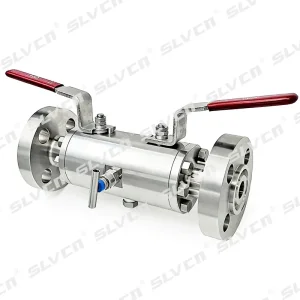
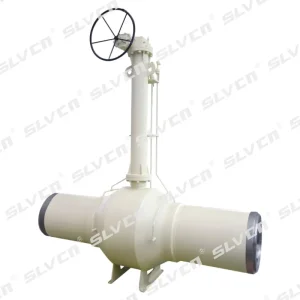
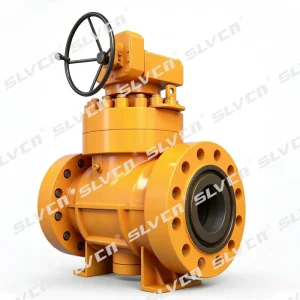
For larger diameters and higher pressure classes, trunnion-mounted valves offer mechanical anchoring of the ball. This reduces operating torque and ensures the seat seals against the ball effectively under differential pressure, which is critical for DBB (Double Block and Bleed) operations.
Yes. Hydrogen causes embrittlement in standard steels. We utilize specific stainless steel alloys (e.g., 316L with controlled ferrite content) and specialized non-elastomeric seals to ensure structural integrity in hydrogen service.
 Shoulong Valve