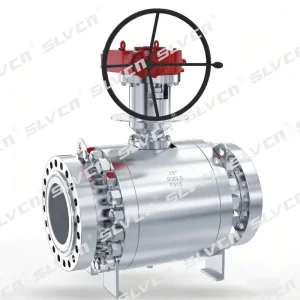
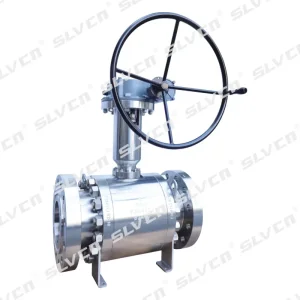
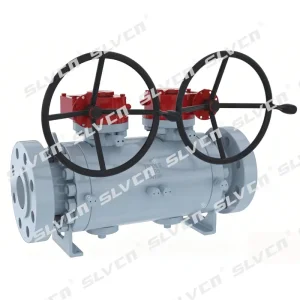
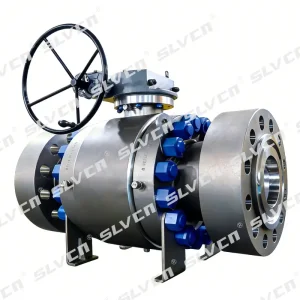
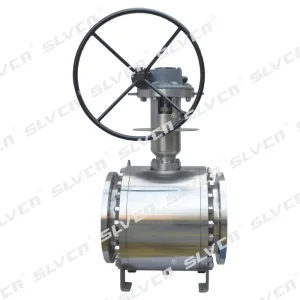
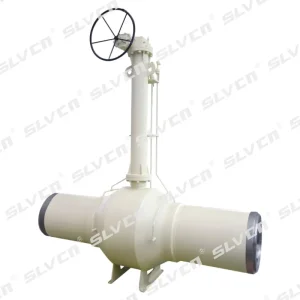
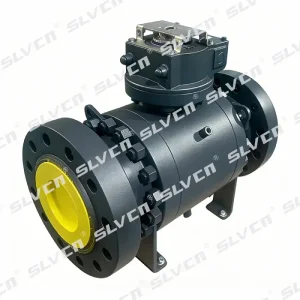
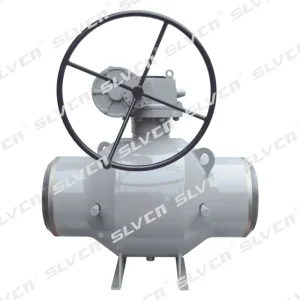
In the complex ecosystem of global fluid control, the Class 150 valve stands as the baseline for standard pressure piping systems. While often overshadowed by high-pressure variants like Class 2500, the Class 150 series is the workhorse of the midstream oil & gas, water treatment, and chemical processing industries. At our manufacturing facility, we recognize that "standard" does not mean "basic." True quality in a Class 150 valve is defined by its material integrity, seating precision, and long-term operational lifespan.
Global procurement managers increasingly look to Chinese factories not just for cost-efficiency, but for technical maturity. The integration of CNC precision machining, automated testing, and stringent compliance with API 6D and ASME B16.34 standards has positioned Chinese manufacturers as the primary source for Tier-1 industrial projects. Our factory leverages localized supply chain advantages—sourcing raw forged steel directly from top-tier mills—to deliver valves that outperform global legacy competitors in both lead time and value-to-performance ratio.
When sourcing Class 150 valves, buyers often fall into the trap of price-focused procurement. To gain a competitive advantage in your own supply chain, focus on these critical E-E-A-T factors:
The industrial landscape is shifting towards Smart Manufacturing and Energy Transition. From Hydrogen pipelines that require ultra-high purity and leak-free performance to water desalination plants demanding corrosion resistance, the requirements for Class 150 valves are evolving. Our valves are designed with modularity in mind, allowing for easy actuator retrofitting and inline maintenance—critical for minimizing downtime in remote or harsh operating environments.
Whether your project is located in the Middle East, Southeast Asia, or Europe, the core requirement remains: Reliability. Our valves are engineered to withstand not just the rated pressure, but the thermal fluctuations and mechanical stresses inherent in large-scale infrastructure.
Class 150 and Class 300 refer to the pressure-temperature ratings defined by ASME B16.34. Class 150 is designed for lower pressure applications, typically up to 285 psi at ambient temperatures, while Class 300 offers higher pressure tolerance. Choosing the right class depends on your process media and pressure requirements.
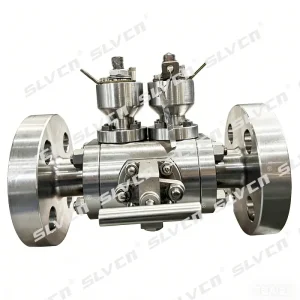
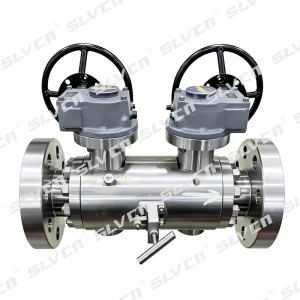
Our Double Block and Bleed (DBB) valves provide two independent seals with a cavity bleed port in between, allowing for verified isolation. This is critical for maintenance safety, as it ensures there is no pressure buildup between the seats.
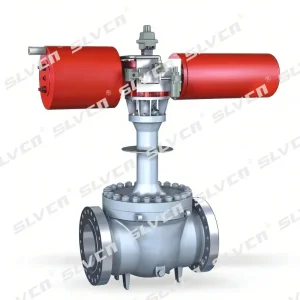
Yes. As a factory-direct supplier, we specialize in mounting pneumatic, electric, and hydraulic actuators to our valves, ensuring perfect alignment and torque compatibility.
 Shoulong Valve