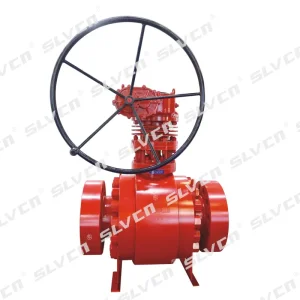
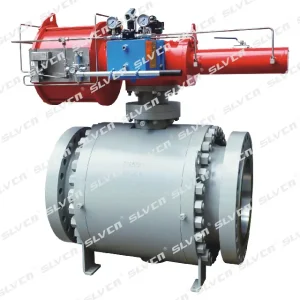
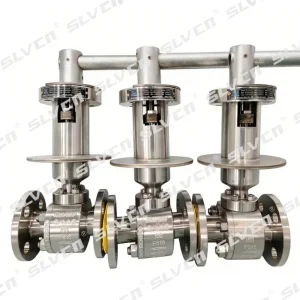
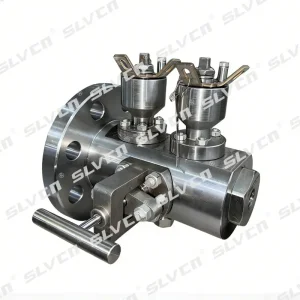
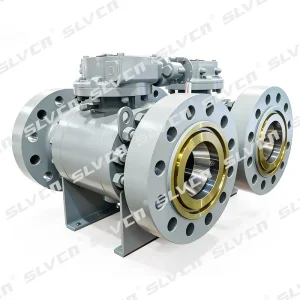
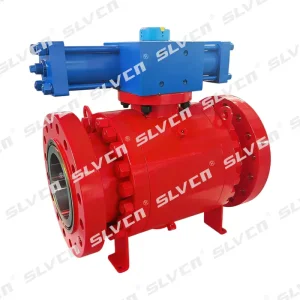
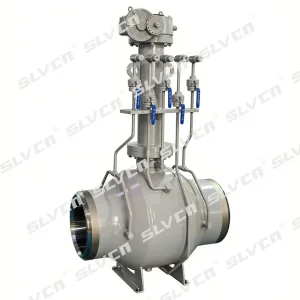
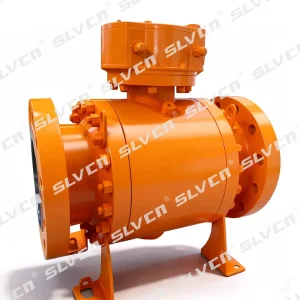
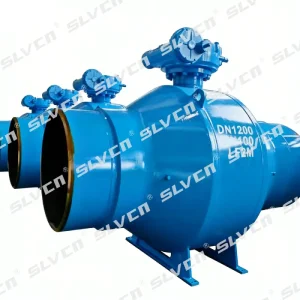
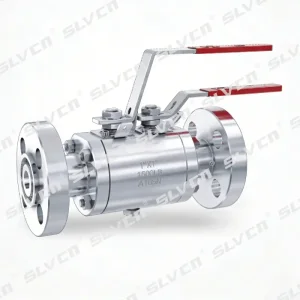
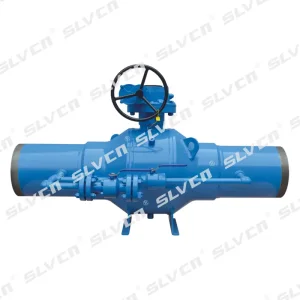
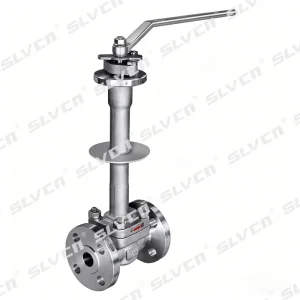
In the high-stakes environment of global fluid control, the Trunnion Mounted Ball Valve stands as a critical asset for safety and operational efficiency. Unlike floating ball valves, trunnion-mounted designs utilize an anchor (trunnion) to support the ball, reducing torque and ensuring consistent sealing under high-pressure conditions. This is the cornerstone of modern pipeline integrity, from subsea extraction to hydrogen energy storage.
As the primary hub for valve manufacturing, China has undergone a paradigm shift, moving from low-cost production to advanced engineering excellence. Global procurement managers now recognize China not just as a supplier, but as a strategic partner in Valve Lifecycle Management (VLM). By integrating automated CNC machining, high-end pressure testing, and rigorous NDT (Non-Destructive Testing), Chinese factories have achieved alignment with international standards like API 6D, ASME B16.34, and ISO 9001. The focus has transitioned to Total Cost of Ownership (TCO), where reliability and reduced maintenance intervals define the competitive edge.
The roadmap for trunnion mounted ball valves is leaning heavily into Intelligent Valve Technology. We are observing a trend towards:
Understanding the application is key to selecting the right product. Our trunnion-mounted valves serve diverse sectors:
A: The trunnion support anchors the ball against the stem, preventing it from being pushed against the seat by line pressure. This lowers operating torque significantly and allows for seat-assisted sealing, ensuring a tighter, more reliable seal in demanding environments compared to floating designs.
A: We adhere to strict API 6D and PED certifications. Our quality assurance protocol includes full material traceability, PMI (Positive Material Identification), and high-pressure hydrostatic/pneumatic testing to verify performance before dispatch.
 Shoulong Valve