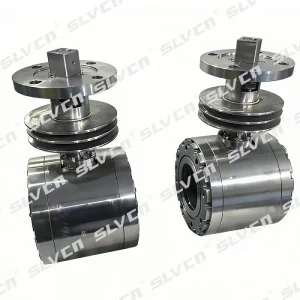
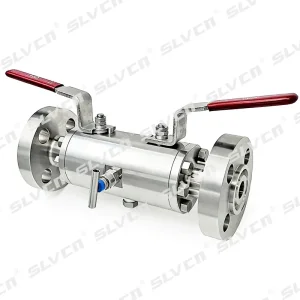
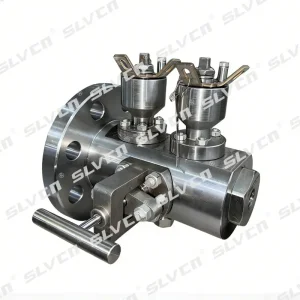
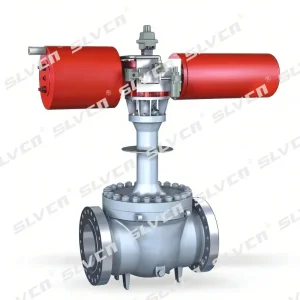
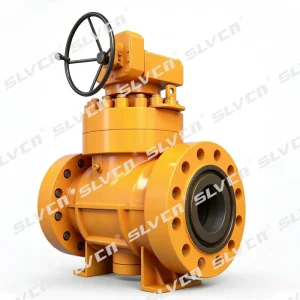
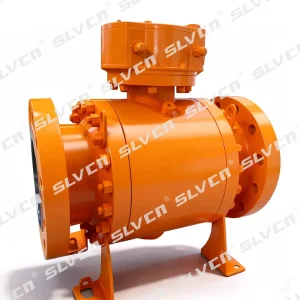
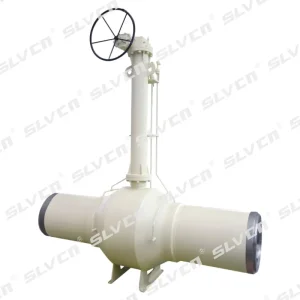
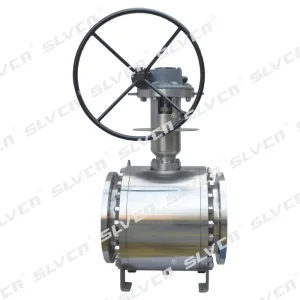
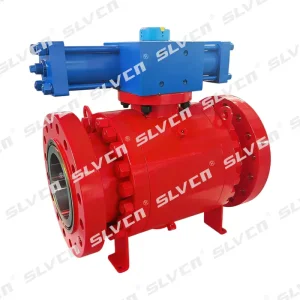
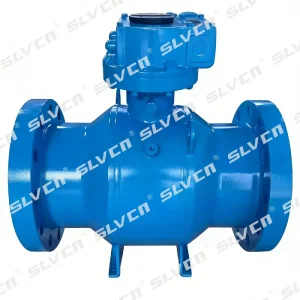
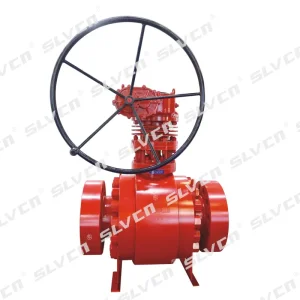
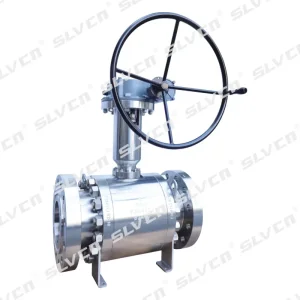
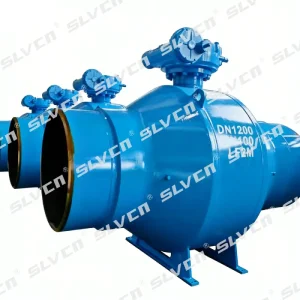
As a global leader in valve manufacturing, we recognize that in the energy sector, "reliability" is not just a marketing term; it is a critical requirement. Trunnion-mounted ball valves represent the pinnacle of fluid control engineering. Unlike floating ball valves, where the ball relies on line pressure to seal against the seat, the trunnion-mounted design features a mechanical anchor—the trunnion—that holds the ball in a fixed position. This results in significantly lower operating torque and consistent sealing integrity, making them the preferred choice for high-pressure, large-diameter pipelines.
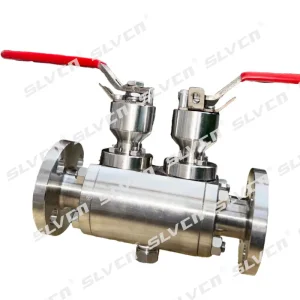
Information Gain: Our R&D team focuses on the "Double Block and Bleed" (DBB) functionality, which allows for the isolation of both upstream and downstream piping segments. This is a life-critical feature for maintenance in oil and gas pipelines, ensuring that technicians can work on one segment while the rest of the system remains pressurized and operational.
The global energy landscape is currently shifting towards cleaner, more efficient transmission. Our manufacturing processes are aligned with these macro trends, supporting:
Manufacturing is only half the battle. We understand that global projects require strict adherence to international standards. Our quality management system covers:
We are integrating smart sensors into our trunnion-mounted valve stems to monitor torque, vibration, and leakage in real-time, feeding data into SCADA systems for proactive maintenance.
Research into graphene-enhanced coatings is underway to further reduce friction and enhance the corrosion resistance of our valve seats in harsh chemical environments.
Focusing on fugitive emission standards (ISO 15848-1), our next-gen seals are designed to guarantee near-zero leakage, helping clients meet tightening global environmental regulations.
The trunnion design supports the ball at both the top and bottom. This eliminates the need for the ball to move towards the seat, resulting in lower operating torque (crucial for large actuators) and the ability to handle much higher pressure ratings while maintaining a bubble-tight seal.
We adhere to API 6D, ASME B16.34, and Fire-Safe testing standards (API 607/6FA). Every unit undergoes hydrostatic and pneumatic testing, with material certification (MTRs) provided for every pressure-bearing component.
Yes. We specialize in material selection optimization, including Inconel, Duplex/Super Duplex, and hard-facing overlays like Stellite, designed to withstand hydrogen sulfide (sour gas) and other aggressive chemical media.
 Shoulong Valve