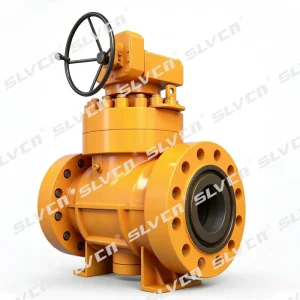
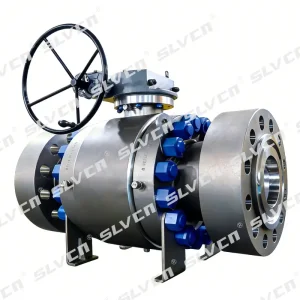
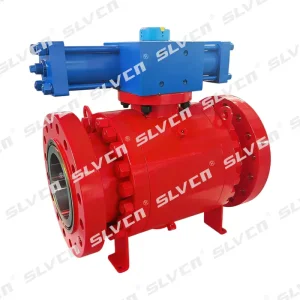
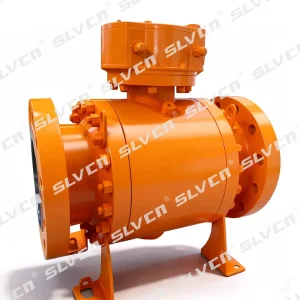
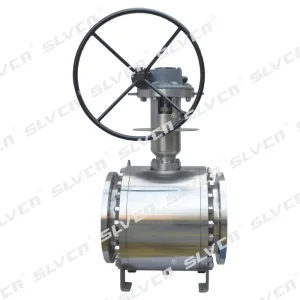
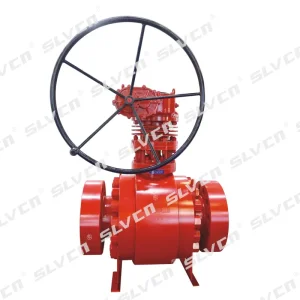
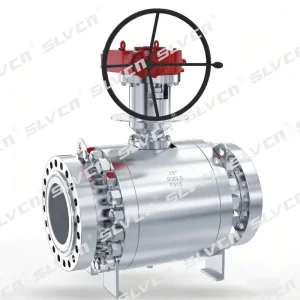
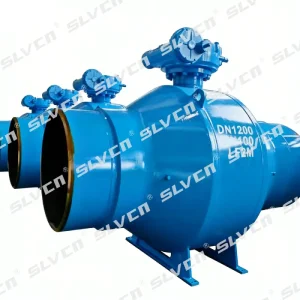
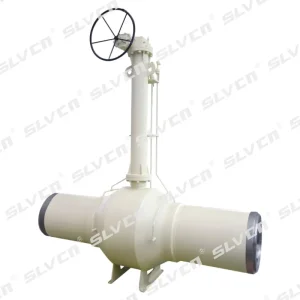
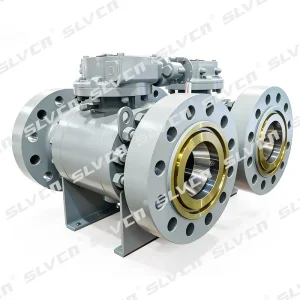
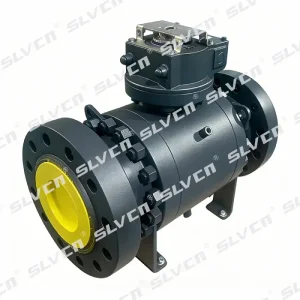
In the contemporary landscape of global industrial manufacturing, the demand for high-performance ball valves—specifically 12-inch class and larger trunnion-mounted configurations—has surged. Driven by energy transitions, the expansion of natural gas transmission networks, and the critical need for zero-leakage isolation in petrochemical plants, the role of specialized manufacturers has never been more pivotal.
While historically sought for cost-efficiency, Chinese valve factories have ascended the value chain through rigorous adherence to international standards (API 6D, ASME B16.34, ISO 9001). The "China Factory Advantage" now relies on three pillars: Vertical Integration (from raw forging to finished assembly), Advanced CNC Precision, and Automated Testing Capabilities. By consolidating the supply chain, top-tier factories can guarantee shorter lead times for custom-engineered solutions, a critical factor in project management for international EPC (Engineering, Procurement, and Construction) companies.
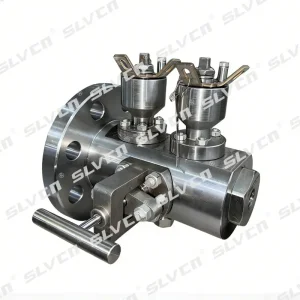
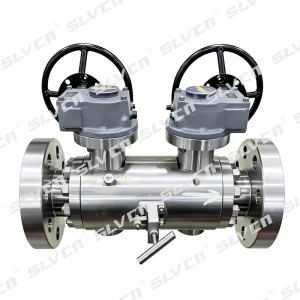
Procurement professionals often face the "Quality vs. Lead Time" paradox. Our research indicates that successful sourcing strategy relies on verifying MTR (Material Test Reports) and Fire-Safe Certification before procurement. A high-quality DBB (Double Block and Bleed) ball valve is not just a component; it is a safety mechanism. When sourcing, prioritize manufacturers with in-house hydrostatic and pneumatic testing facilities capable of simulating extreme high-pressure and cryogenic service environments.
The industry is shifting toward "Smart Valves." Sensors are now being integrated into trunnion-mounted ball valves to monitor seal integrity and torque performance in real-time. This predictive maintenance approach is becoming the standard for offshore oil & gas platforms where human intervention is costly and hazardous. Manufacturers that leverage AI-driven manufacturing and IoT-enabled valve diagnostics are gaining a significant competitive edge.
A high-quality manufacturer must possess API 6D certification, demonstrate in-house forging capabilities, and provide comprehensive material traceability (MTR). Look for factories that conduct rigorous Fire-Safe and cryogenic testing.
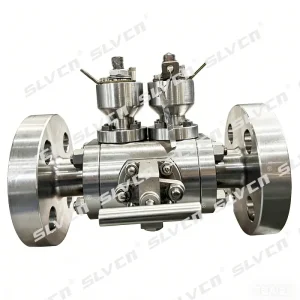
DBB valves provide two sealing surfaces with a bleed port in between, allowing for safe, verifiable isolation. This is critical for preventing contamination and ensuring safety in high-pressure oil & gas pipelines.
Beyond cost, China has optimized the supply chain for specialized materials like F316 and F11, coupled with advanced automated manufacturing. This results in consistent tolerances and faster delivery times for large-scale infrastructure projects.
Selecting appropriate materials (e.g., Inconel cladding, Stellite coating) and ensuring high-quality metal-to-metal sealing is essential. Working with an OEM/ODM partner that offers customized engineering consultations ensures the valve matches the specific chemical application.
 Shoulong Valve