 Shoulong Valve
1 / 1
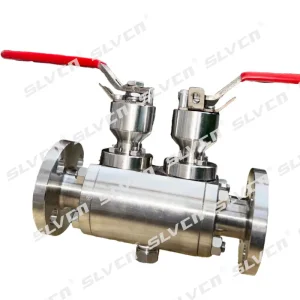
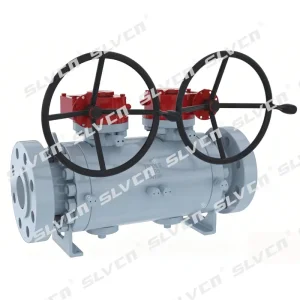
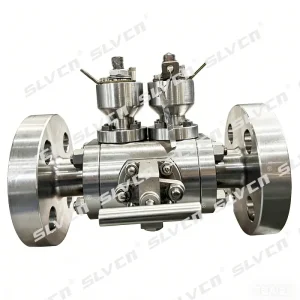
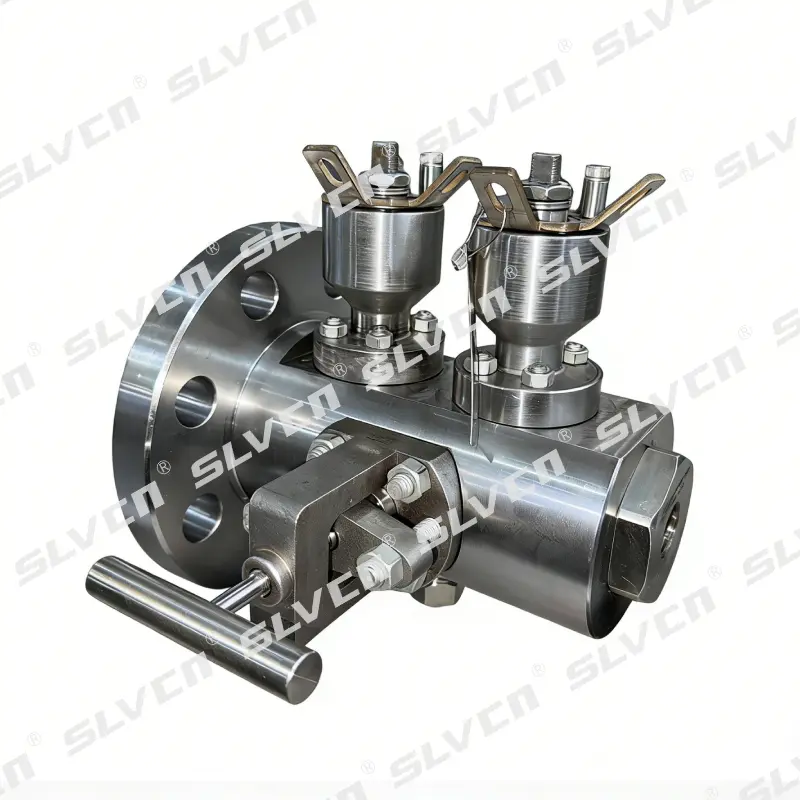
Two independent ball valves with a central bleed cavity provide positive upstream and downstream isolation with safe pressure release and verification.
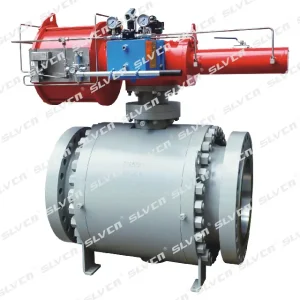
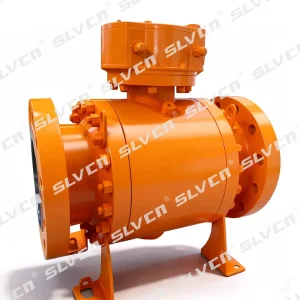
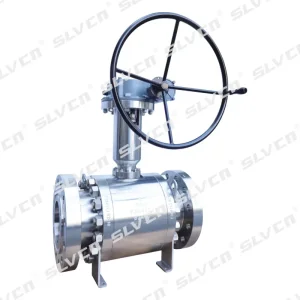
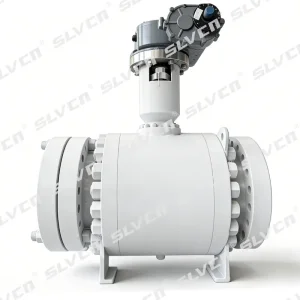
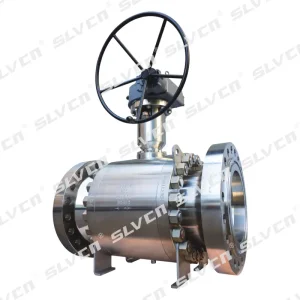
Trunnion-mounted structure reduces operating torque and ensures stable sealing performance under high pressure conditions.
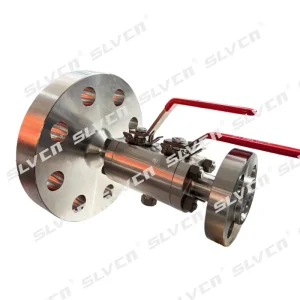
Flanged inlet combined with high-pressure threaded outlet enables compact and flexible installation in complex pipeline layouts.
Reduced bore design is ideal for sampling points, injection lines, and instrumentation branches without compromising isolation safety.
Independent stem bases with locking devices prevent accidental or unauthorized operation in hazardous environments.
Forged body materials with Class 2500 pressure rating ensure long-term reliability in Oil & Gas, offshore, and high-pressure chemical services.
What is the purpose of the Double Block & Bleed valve configuration?
The Double Block & Bleed (DBB) configuration uses two independent ball valves and a central bleed cavity to simultaneously isolate both upstream and downstream flow paths. This allows safe depressurization and verification of the cavity between the two valves, confirming complete isolation before maintenance or equipment access.
Why is a trunnion-mounted ball design preferred for high-pressure applications?
Trunnion-mounted ball valves feature a fixed ball supported by mechanical anchors at the top and bottom, which absorbs pipeline pressure loads rather than transferring them to the seats. This significantly reduces operating torque and maintains consistent sealing performance even under high pressure and large bore conditions.
What does the asymmetric flanged × threaded configuration offer over standard symmetric designs?
The asymmetric design combines a flanged inlet for secure, leak-tight connection on the main pipeline side with a high-pressure threaded outlet for compact, space-saving installation. This is especially beneficial in confined process areas or complex piping layouts where flexible end connections are required.
Is this valve suitable for sampling or instrumentation branch connections?
Yes. The reduced bore design is specifically optimized for sampling points, chemical injection lines, and instrument tapping connections. It delivers full double block and bleed isolation capability even in low-flow or low-volume branch applications without requiring a full-bore valve assembly.
How do the dual lockable stems improve safety in the field?
Each ball valve has its own independent stem with a dedicated locking device. This prevents unauthorized or accidental valve operation during maintenance windows or in safety-critical zones. Lockout/tagout (LOTO) procedures can be applied to each stem independently, enhancing operational safety.
What industries and service environments are these forged steel valves designed for?
These valves are built with forged steel bodies rated to ASME Class 2500, making them suitable for demanding environments including onshore and offshore oil & gas production, high-pressure chemical processing, petrochemical plants, and subsea pipeline systems where long-term pressure integrity and material reliability are essential.