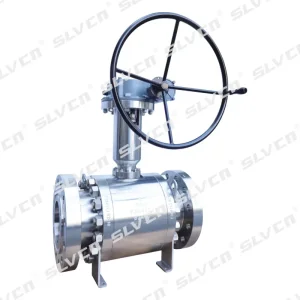
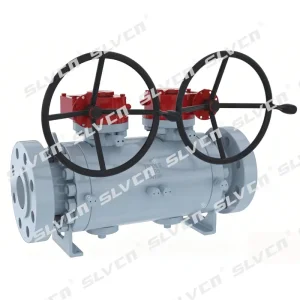
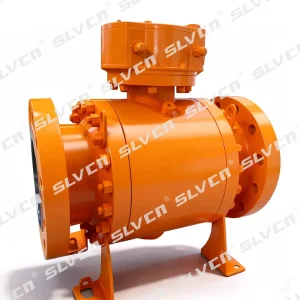
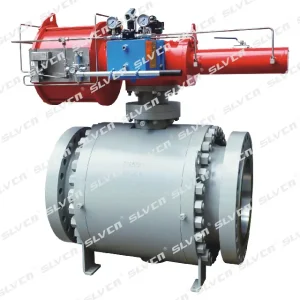
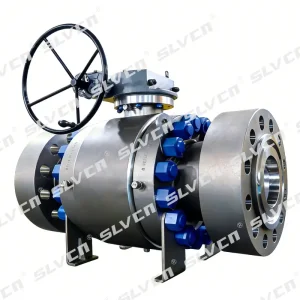
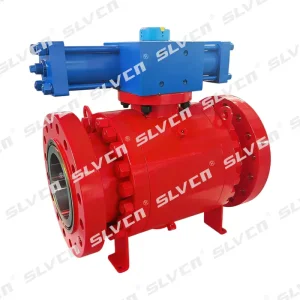
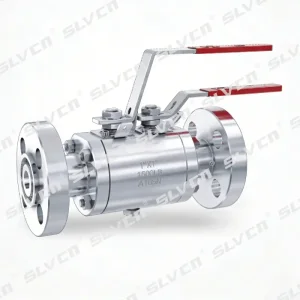
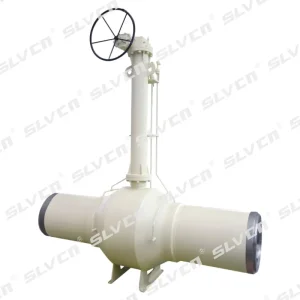
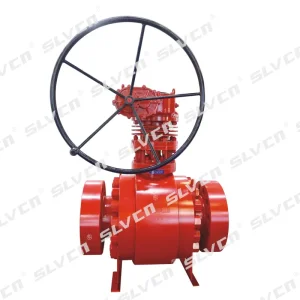
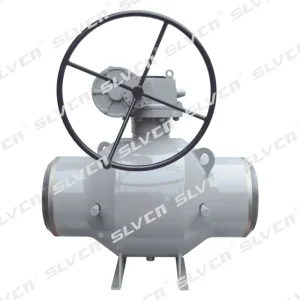
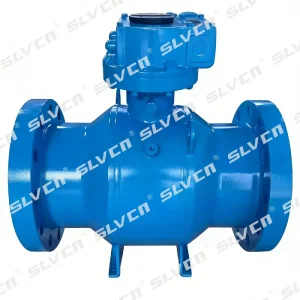
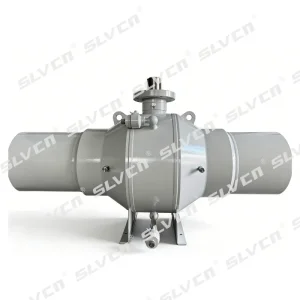
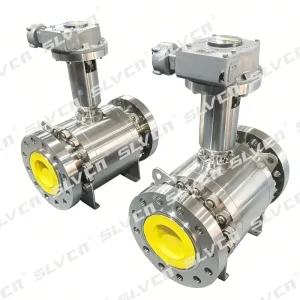
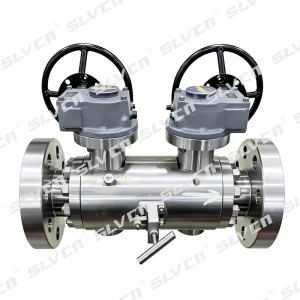
In high-pressure industrial environments, particularly within petrochemical and hydrocarbon processing, the flow of media through a ball valve can generate static electricity due to the triboelectric effect. Without proper grounding (anti-static design), the accumulation of charge can lead to catastrophic electrostatic discharge (ESD). Our OEM anti-static ball valves are engineered with a spring-loaded conductive plunger mechanism between the ball, stem, and body, ensuring constant electrical continuity. This design is not merely a feature—it is a safety requirement for API 6D and fire-safe certified equipment.
The global demand for anti-static ball valves is surging, driven by stricter ESG (Environmental, Social, and Governance) mandates and the transition to hydrogen infrastructure. As energy sectors shift toward higher purity and safety standards, the "leak-free" requirement has evolved from a goal to a baseline expectation. Manufacturers must now balance this with material compatibility for increasingly corrosive and cryogenic media (LNG, liquid hydrogen).
Our R&D roadmap focuses on "Smart Sealing." We are integrating IoT sensors into our high-pressure trunnion-mounted designs to provide real-time data on torque, seat integrity, and static conductivity. This predictive maintenance approach allows operators to anticipate potential failures long before they impact the pipeline, reducing unplanned downtime by up to 30%.
Critical isolation in high-pressure offshore and onshore platforms where ESD protection is mandatory.
Managing volatile chemicals with specialized alloy trims to resist corrosion while maintaining electrical path.
Specialized sealing geometries to prevent hydrogen embrittlement while ensuring zero-leakage performance.
Engineered for thermal expansion/contraction in LNG liquefaction plants while maintaining anti-static contact.
Answer: Anti-static devices prevent the buildup of electrostatic charge caused by the friction of non-conductive media (like refined fuels or dry gases) passing through the valve. This prevents sparks that could cause explosions in hazardous, volatile environments.
Answer: Yes. We specialize in tailoring material grades—from standard carbon steel to high-nickel alloys and duplex stainless steels—for specific corrosive environments, all while maintaining strict anti-static continuity compliance.
Answer: Every valve undergoes rigorous electrical resistance testing between the ball and the stem/body to ensure it meets international standards, typically verified at <10 ohms to guarantee effective grounding.
 Shoulong Valve