 Shoulong Valve
1 / 1
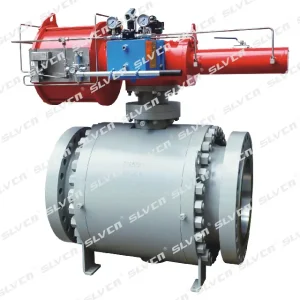
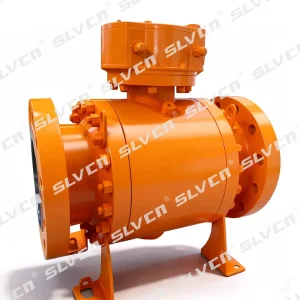
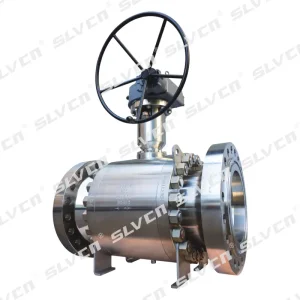
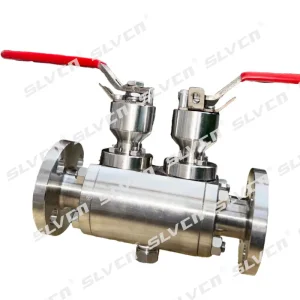
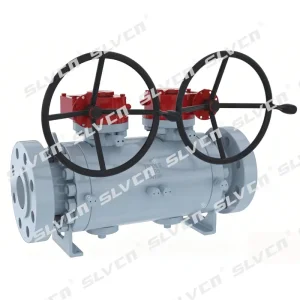
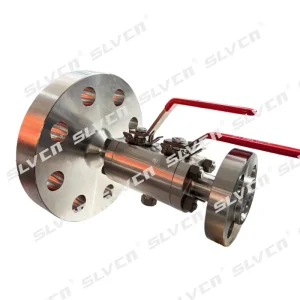
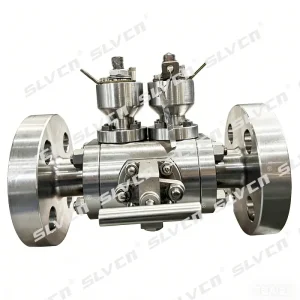
Provides secure pipeline isolation and safe cavity pressure relief, preventing leaks and ensuring safe operation in gas transmission systems.
Maintains stable sealing under high-pressure and large-diameter conditions, extending valve life and reducing wear in gas pipelines.
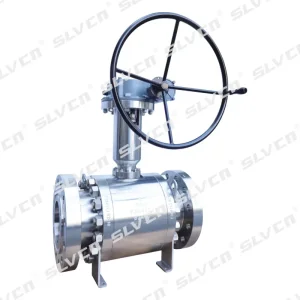
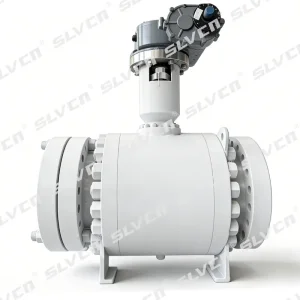
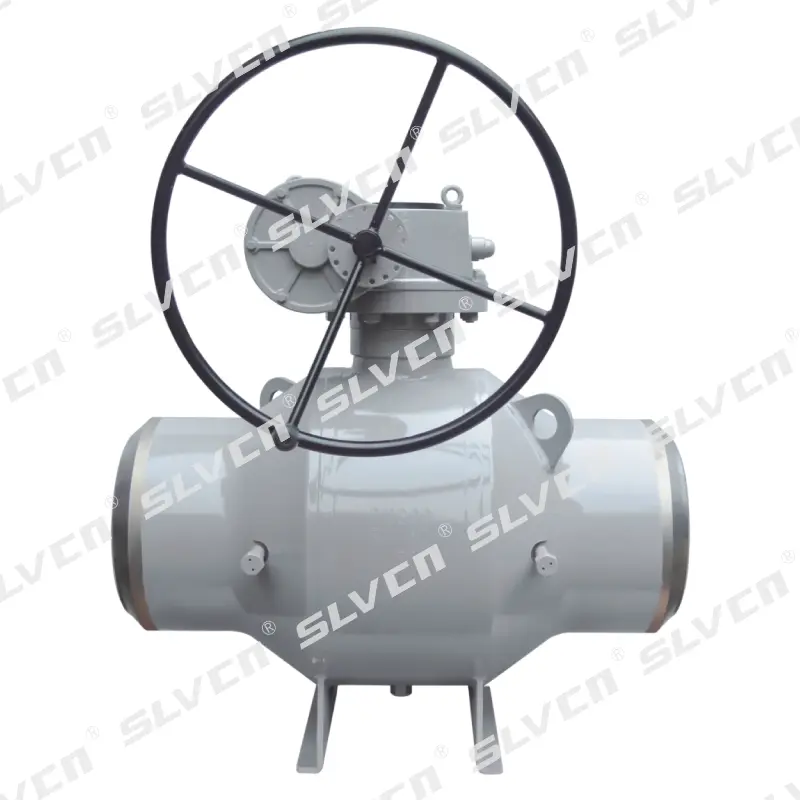
Low-torque, smooth manual operation for precise control, even under full pressure, ensuring ease of use in critical gas applications.
Includes fire-safe seats, anti-static protection, and anti-blowout stem, providing enhanced safety in high-pressure, flammable gas environments.
Customizable materials, including Carbon Steel, Stainless Steel, Alloy Steel, and PCTFE, ensure compatibility with various gas media, temperatures, and project requirements.
The DBB configuration provides two sealing points along with a bleed valve between them, allowing safe isolation and pressure relief of pipeline cavities. It is critical in gas transmission systems to prevent leaks, protect personnel, and enable safe maintenance without shutting down the entire pipeline.
Unlike floating ball designs, the trunnion-mounted ball is mechanically anchored at the top and bottom, reducing stress on the seats under high-pressure conditions. This results in stable, consistent sealing performance, longer valve service life, and significantly reduced seat wear in large-diameter gas pipelines.
The gear-operated mechanism reduces the manual torque required to open or close the valve, enabling smooth and precise operation even under full pipeline pressure. This makes it ideal for large-diameter or high-pressure applications where direct manual operation would be difficult or unsafe.
The valve incorporates fire-safe seats that maintain sealing integrity in the event of a fire, an anti-static device to prevent electrostatic discharge buildup, and an anti-blowout stem design that prevents the stem from ejecting under pressure — all essential safety measures in high-pressure flammable gas environments.
Material options include Carbon Steel for standard gas applications, Stainless Steel for corrosive media or high-temperature environments, Alloy Steel for extreme pressure and temperature conditions, and PCTFE for specialized sealing seat applications. The appropriate material depends on the gas media, operating temperature and pressure, and specific project standards.
Yes. With versatile material configurations, fire-safe certifications, and robust structural design, these valves are engineered to meet the demands of both onshore and offshore gas transmission and distribution systems, complying with international standards for pipeline integrity and safety.