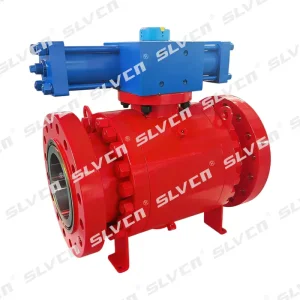
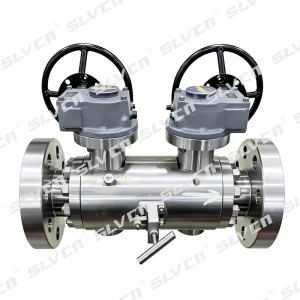
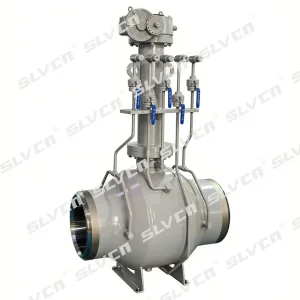
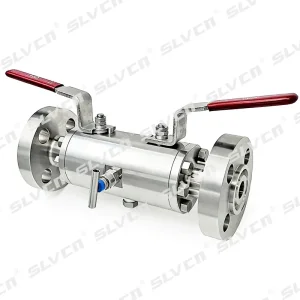
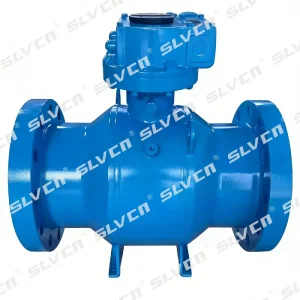
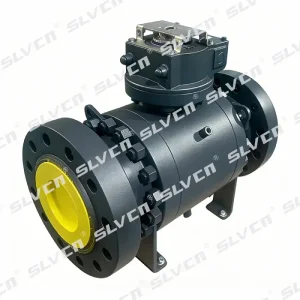
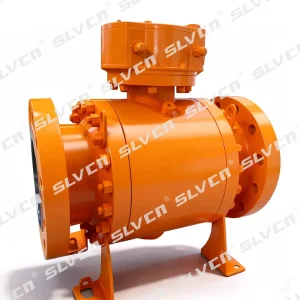
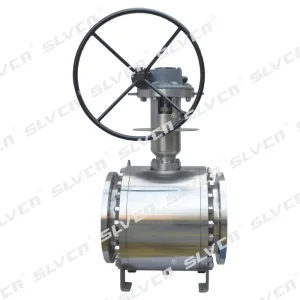
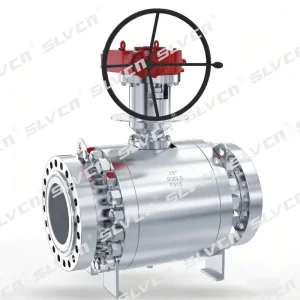
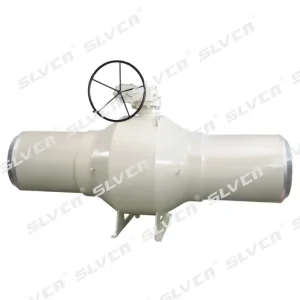
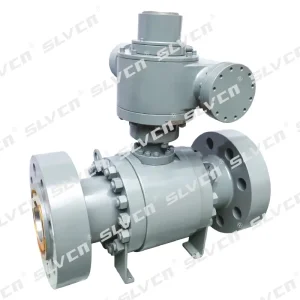
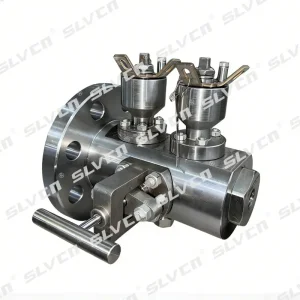
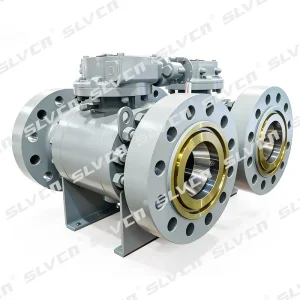
In the modern era of industrial procurement, selecting an OEM WCB ball valve manufacturer is no longer just about cost-efficiency; it is about supply chain resilience. Our "Factory 4.0" initiative integrates advanced automation, IoT-enabled quality tracking, and data-driven manufacturing processes. By digitizing the production lifecycle—from raw A216 WCB casting to final pressure testing—we eliminate the information asymmetry often associated with cross-border procurement.
For global procurement managers, this means verifiable material traceability, automated tolerance checks, and an end-to-end transparency that ensures every valve meets the rigorous safety demands of upstream, midstream, and downstream energy sectors.
The valve industry is undergoing a paradigm shift towards "Smart Flow Control." Our technical roadmap focuses on three pillars:
Our ball valves are engineered to comply with the strictest international standards, including API 6D, ASME B16.34, and ISO 9001. We understand that in critical infrastructure—such as LNG processing, hydrogen transmission, and high-pressure water treatment—failure is not an option.
Localization & Support: We don't just ship products; we offer localized engineering support. Whether it's navigating complex CE-PED documentation for European projects or complying with regional fire-safe standards (API 607/6FA), our team acts as an extension of your engineering department to ensure rapid certification and commissioning.
A1: WCB is a standard material grade (ASTM A216) known for its excellent weldability, strength, and cost-effectiveness. It is ideal for moderate temperature and pressure applications, serving as the industry workhorse for oil, gas, and general process piping.
A2: We employ a multi-stage Quality Assurance protocol: Spectral analysis for material composition, ultrasonic and radiographic testing for castings, and hydrostatic/pneumatic testing for seat and shell integrity according to API 598.
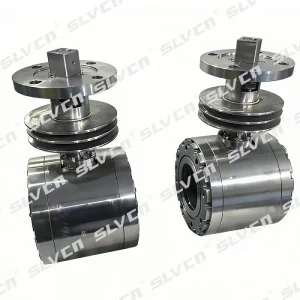
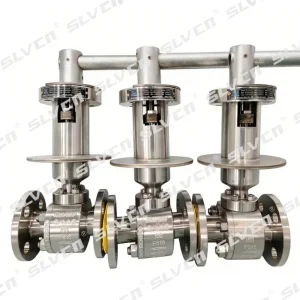
A3: Yes. As an OEM manufacturer, our engineering team specializes in custom mounting pads (ISO 5211), extended stems for buried service, and high-performance metal-to-metal seating modifications to suit client-specific pneumatic or electric actuators.
 Shoulong Valve