QWhat is the purpose of an extended stem in a buried service ball valve?
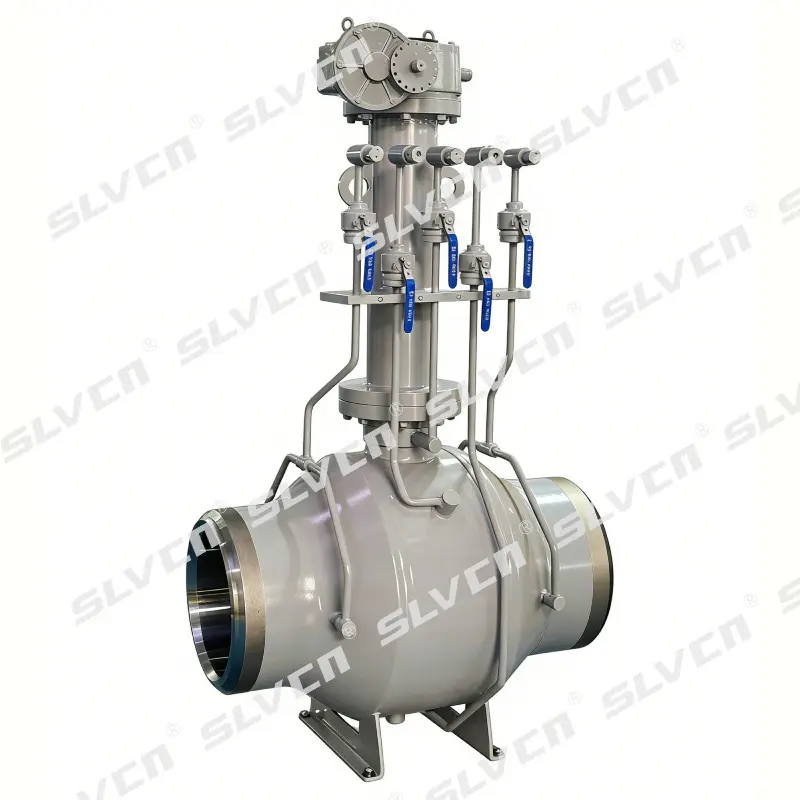
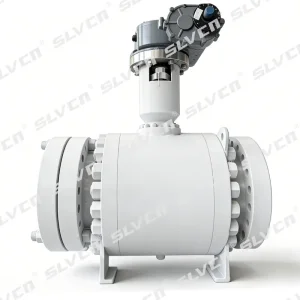
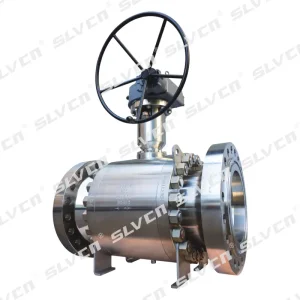
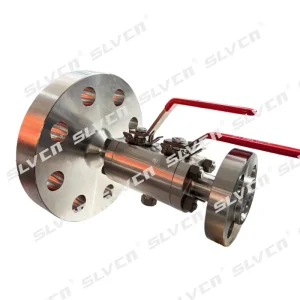
An extended stem allows operators to access and actuate the valve from above ground level, making it ideal for underground or buried pipeline installations. Even if the stem seals experience failure, the valve can still be operated safely and reliably.
QHow does the fully welded body construction reduce leakage risk?
A fully welded one-piece body eliminates threaded or bolted end connections, which are common leakage points in traditional valve designs. This construction significantly enhances long-term sealing integrity, especially in medium-pressure pipeline systems.
QWhat is a trunnion-mounted ball valve and why does it require less torque?
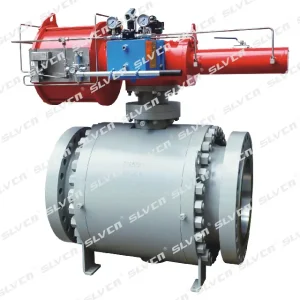
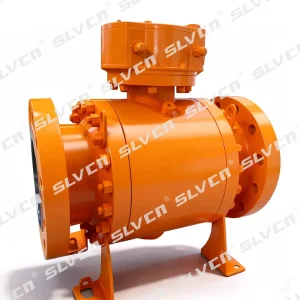
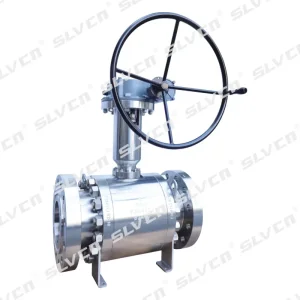
In a trunnion-mounted ball valve, the ball is mechanically anchored at both the top and bottom by trunnions, which absorb pipeline pressure loads. This prevents the ball from pressing against the downstream seat under pressure, resulting in significantly lower operating torque compared to floating ball valves.
QWhat does Double Block-and-Bleed (DBB) mean in pipeline valve applications?
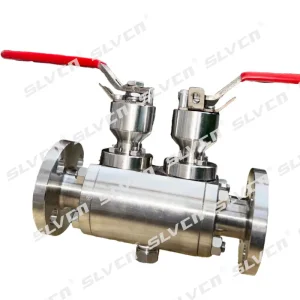
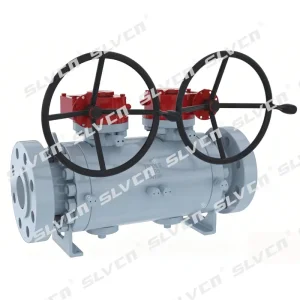
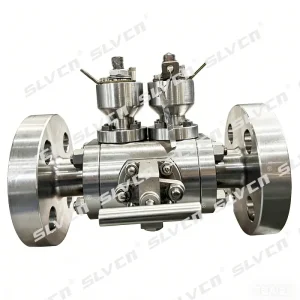
Double Block-and-Bleed (DBB) refers to a valve configuration that provides two independent seating surfaces, each capable of sealing against pipeline pressure from a single valve body, along with a bleed port between them. This allows operators to safely vent trapped pressure and verify isolation integrity during maintenance or emergency shutdowns.
QWhat safety features protect against fire and static hazards in these valves?
These valves are equipped with an anti-blowout stem design to prevent stem ejection under pressure, an anti-static device to safely discharge static electricity buildup, and fire-safe seats that maintain a reliable seal even when soft seat materials are damaged in high-temperature or fire conditions.
QCan the valve materials be customized for specific media or temperature conditions?
Yes. The body, seat, and sealing materials can be selected or customized to suit a wide range of media types, including corrosive, high-temperature, or cryogenic fluids. This flexibility ensures compatibility with diverse industrial project specifications and environmental requirements.
 Shoulong Valve