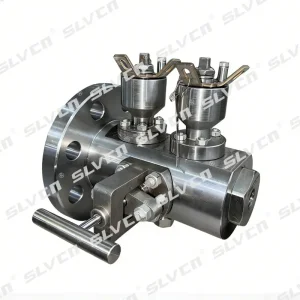
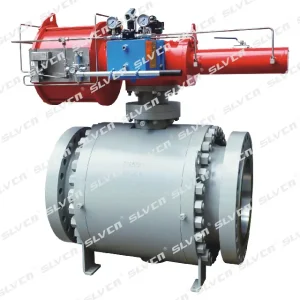
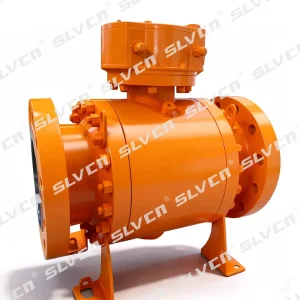
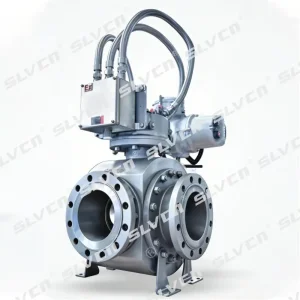
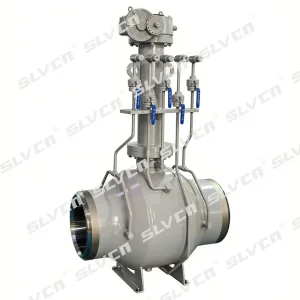
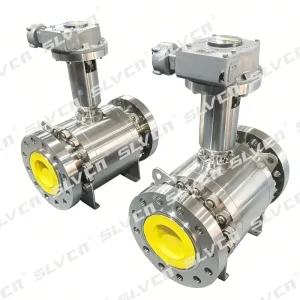
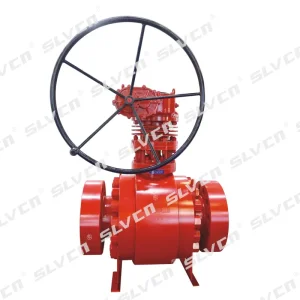
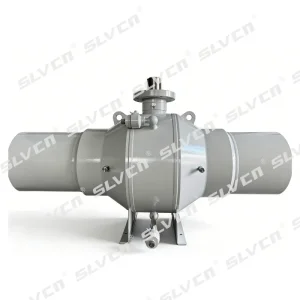
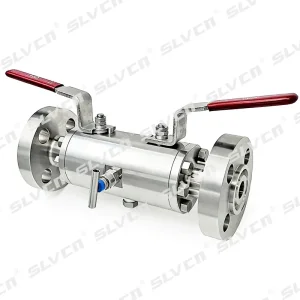
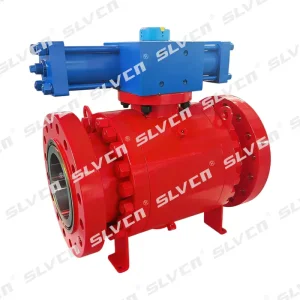
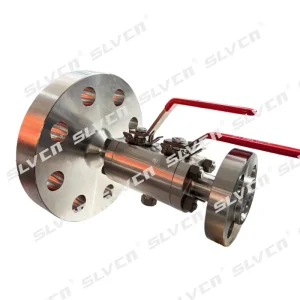
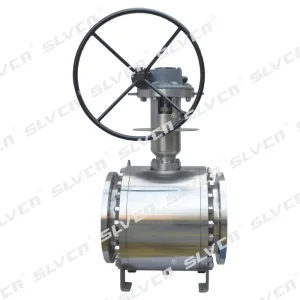
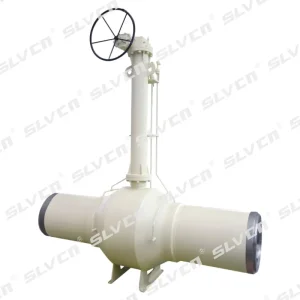
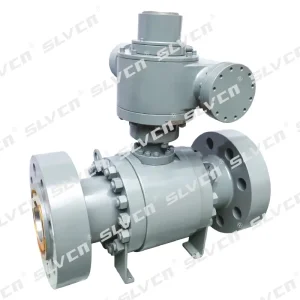
As a leading China BW valve manufacturer, we recognize that Butt Weld (BW) end connections represent the pinnacle of pipeline security. Unlike flanged connections, which rely on gaskets and bolting that can degrade over time, BW valves are integrated into the pipeline through high-precision welding, creating a permanent, leak-proof union. This is not merely a manufacturing choice; it is a critical engineering requirement for high-pressure, high-temperature, and hazardous fluid transport where "zero leakage" is a non-negotiable KPI.
BW valves eliminate potential leak paths associated with mechanical joints, making them the preferred choice for long-distance gas pipelines and nuclear power cooling systems.
Our forged steel BW valves are engineered to withstand extreme thermal expansion and contraction, maintaining structural sealing where traditional valves might fail.
Once installed, the welded interface requires significantly less monitoring than bolted flanges, reducing the Total Cost of Ownership (TCO) for operators.
The landscape of industrial manufacturing has shifted. A China BW valve factory today is no longer just a source of cost-effective labor; it is a center of "New Quality Productive Forces." Our facility integrates 30+ years of forging expertise with modern AI-driven quality control.
Our manufacturing ecosystem allows us to control the entire lifecycle of a valve—from raw material forging (A105N, F316L, F11, F22) to precision CNC machining and API 6D standard testing. This vertical integration ensures lead times that are 30-40% shorter than European counterparts without sacrificing a single micron of tolerance.
In an era of volatile logistics, our factory’s proximity to major shipping hubs and a robust domestic network of specialty steel suppliers means we provide a "buffer" for global projects. Whether it's a 1500LB top-entry DBB valve or a cryogenic forged trunnion design, our throughput efficiency remains stable under global pressure.
Researching H2-embrittlement-resistant alloys to support the transition to green energy, ensuring BW valves can safely transport hydrogen at high pressures.
Integrating real-time acoustic leakage sensors and torque monitoring into our electric actuated ball valves for predictive maintenance.
Advancing cryogenic sealing technologies for the LNG sector, focusing on LIP-SEAL performance at -196°C in fully welded configurations.
We understand that a BW valve manufacturer must provide more than just hardware. For our clients in the Middle East, we provide NACE MR0175 compliance for sour gas service. For European projects, CE/PED certification and EN 10204 3.1/3.2 material traceability are standard. Our local support includes technical consultation for on-site welding procedures (WPS) to ensure the valve body’s integrity is preserved during pipeline integration.
Our BW valves are currently deployed in:
With over 30 years of expertise in forging high-performance ball valves, SLVCN provides reliable, project-ready solutions for critical industrial applications. Our valves are rigorously engineered, tested, and certified to meet the strictest international standards, ensuring zero-leakage and dependable performance in harsh operating environments.
Designed for Critical Service: Specifically for high-risk, high-pressure, and cryogenic applications. Every valve is manufactured under controlled procedures aligned with international standards (API, ISO), ensuring minimal leakage and operational risk.
 Shoulong Valve