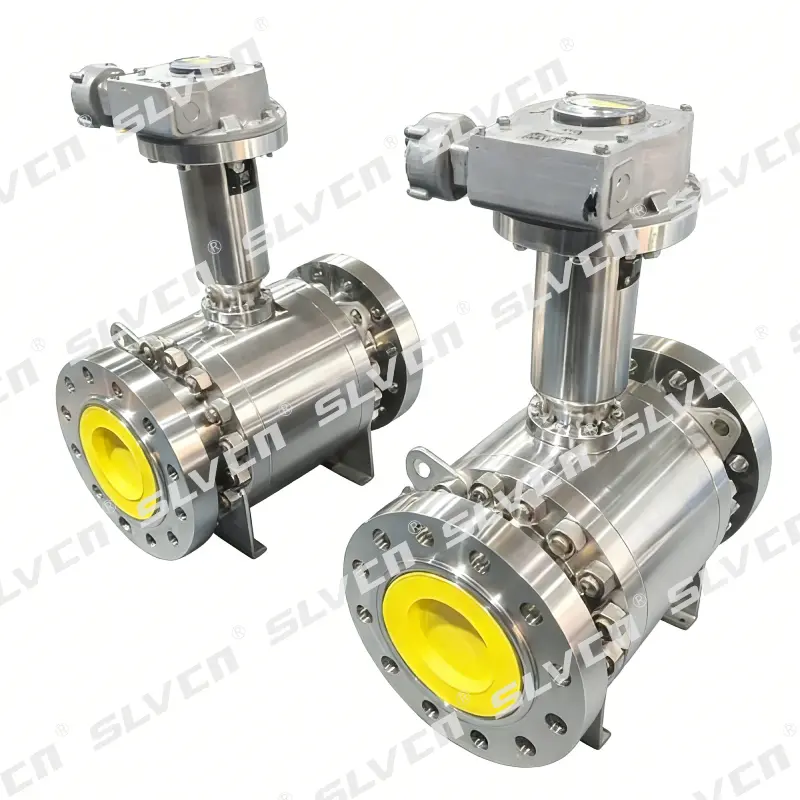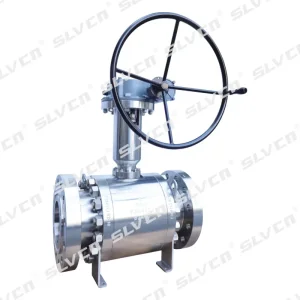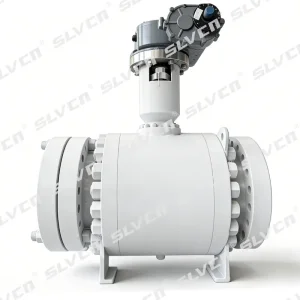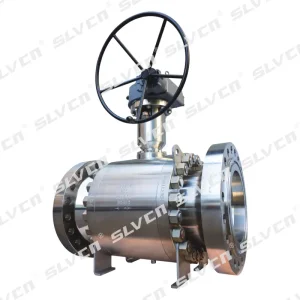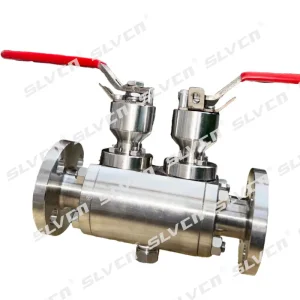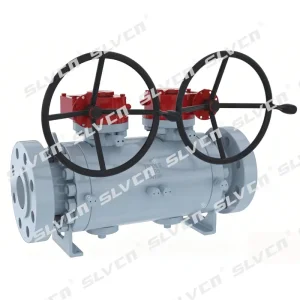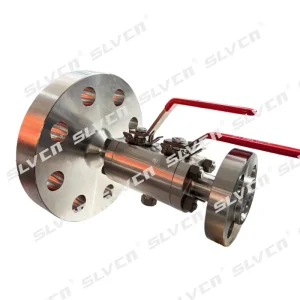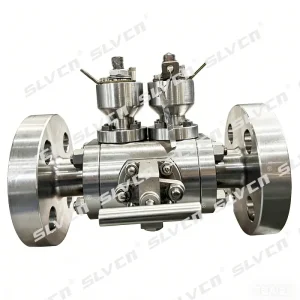
China Cryogenic Forged Trunnion Ball Valve - DBB Design by China Suppliers | Factory Tested for Low-Temperature Performance Manufacturer, Manufacturers

,

√ DBB Double Block and Bleed Design: Our valves feature a DBB design that enhances safety by effectively isolating and venting hazardous fluids, making them ideal for a variety of industrial applications in China.

,

√ Cryogenic Sealing Performance: Engineered for extreme low-temperature applications, our products ensure reliable sealing that prevents leaks, which is essential for suppliers looking for high-quality solutions.

,

√ Forged Construction: Built with durability in mind, our forged construction provides exceptional strength for high-pressure, low-temperature operations, suitable for any factory needing dependable equipment.

,

√ In-House Cryogenic Testing: We operate a dedicated cryogenic testing area, ensuring that all valves undergo 100% pre-shipment testing. This guarantees superior performance and reliability that suppliers can trust in real-world conditions.

,

Product Description

Key Features

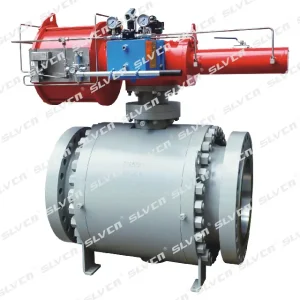
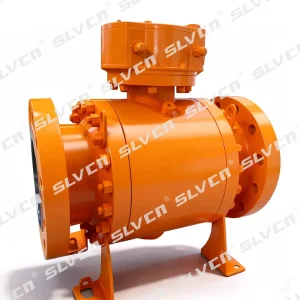
Fixed Trunnion DBB Design

Maximizes safety and prevents leaks by isolating and venting hazardous fluids using the Double Block and Bleed (DBB) functionality.

Lip Seal Design

Utilizes a lip-type seat seal to enhance sealing performance, ensuring reliable operation in high-pressure and low-temperature environments.

Extended Stem Design

Effectively isolates the packing system from cryogenic media, preventing leakage and improving sealing reliability in cryogenic applications.

Three-Safety Design

Integrates fire-safe, anti-static, and anti-blowout stem features to ensure safety in critical applications and demanding environments.
Frequently Asked Questions
Q What is a Fixed Trunnion DBB valve and how does it work?
A Fixed Trunnion Double Block and Bleed (DBB) valve uses a trunnion-mounted ball supported at both the top and bottom, allowing the seats to be pressed against the ball by line pressure. This design enables both upstream and downstream cavities to be independently isolated and the body cavity to be vented or bled, maximizing safety when working with hazardous fluids.
Q What are the advantages of a Lip Seal Design in ball valves?
The lip-type seat seal design creates a tight, flexible contact between the seat and the ball. This improves sealing integrity under both high-pressure and low-temperature (cryogenic) conditions, reduces the risk of leakage, and extends the overall service life of the valve in demanding industrial environments.
Q Why is an Extended Stem Design important for cryogenic applications?
In cryogenic service, the extreme low temperatures of the media can cause conventional packing systems to fail. The extended stem design physically separates the packing area from the cryogenic fluid, keeping packing materials at ambient temperature. This prevents embrittlement of seals, reduces leakage risk, and ensures consistent sealing performance even at very low temperatures.
Q What does the Three-Safety Design include and why does it matter?
The Three-Safety Design encompasses three critical protective features: a fire-safe design that maintains valve integrity during fire events; an anti-static design that safely dissipates static electricity; and an anti-blowout stem design that prevents the stem from being ejected under high pressure. These features protect personnel and equipment in high-risk environments.
Q In which industries are these valve features most commonly applied?
These advanced valve features are widely used in oil and gas, LNG (liquefied natural gas), petrochemical, chemical processing, power generation, and offshore industries. Any application involving hazardous, flammable, or cryogenic fluids under high pressure will benefit from these designs.
Q How do I select the right valve design for my specific application?
Selecting the correct valve depends on factors including operating temperature range, working pressure, fluid type, and safety certifications. For cryogenic services, an extended stem with lip seal is recommended. For hazardous media, DBB and three-safety designs are essential. Always consult with a qualified engineer to match the design to your precise requirements.

Related Products