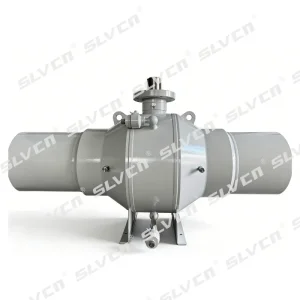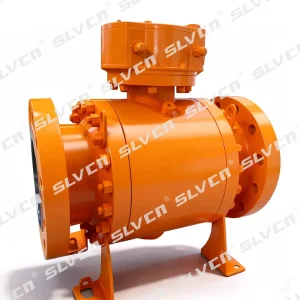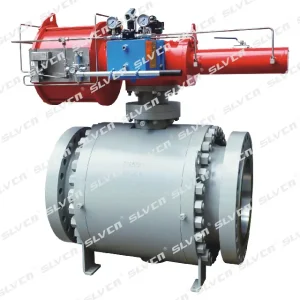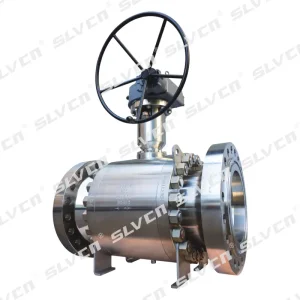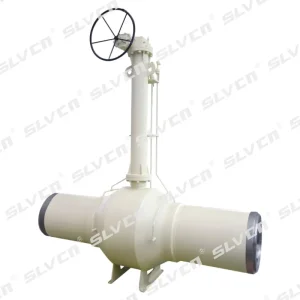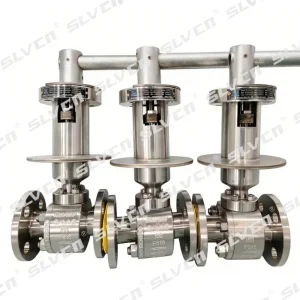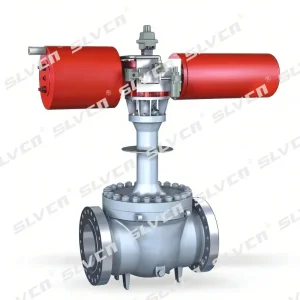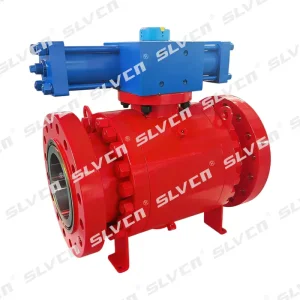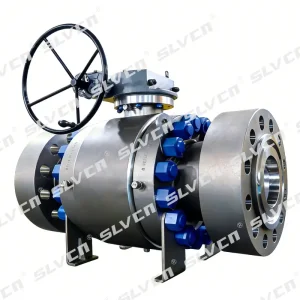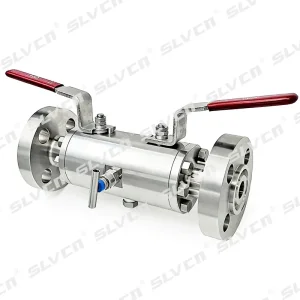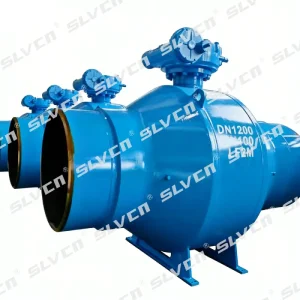
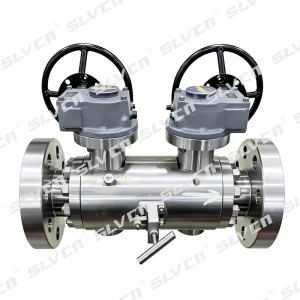
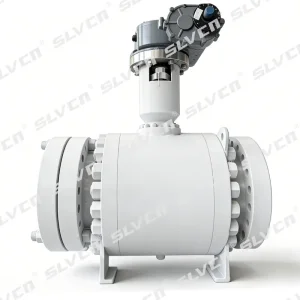
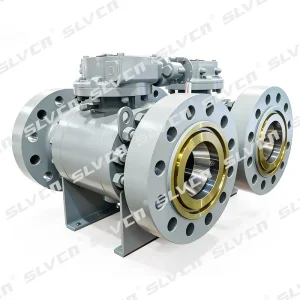
OEM Forged Steel Metal Seated Trunnion-Mounted DBB Ball Valve Manufacturer, Factory
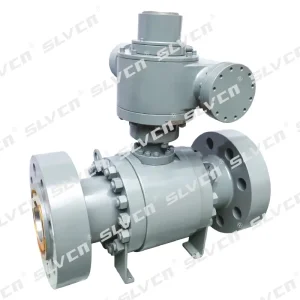
In the landscape of modern industrial engineering, the integrity of cryogenic valve systems is non-negotiable. As a premier China Cryogenic Valve Testing Manufacturer & Factory, we understand that operating at temperatures as low as -196°C involves extreme material stress, potential for brittle fracture, and high-stakes safety requirements. Our commitment goes beyond simple manufacturing; it is rooted in rigorous Information Gain—providing our clients with the technical transparency needed to make informed procurement decisions.
The global demand for LNG (Liquefied Natural Gas) and hydrogen energy has catalyzed a paradigm shift in valve technology. Traditional valves are insufficient for cryogenic applications. We utilize specialized materials—typically stainless steels like A350 LF2 or A182 F316/316L—subjected to specific heat treatments to ensure impact toughness at sub-zero temperatures. Our manufacturing processes align with BS 6364 (Valves for cryogenic service) and API 6D standards, ensuring that every unit deployed in global midstream and downstream infrastructure meets international reliability benchmarks.
At our facility, testing is the heartbeat of quality assurance. Our technical roadmap includes:
Operating as a China-based factory, we provide localized support for international projects. We understand that compliance varies by region. Our valves are engineered to be compliant with:
The future of cryogenic valves lies in "Smart Maintenance." Our R&D team is integrating IoT sensor platforms into trunnion-mounted ball valve actuators, allowing real-time monitoring of thermal fatigue. By analyzing cycle counts and pressure fluctuations, we empower plant operators to switch from reactive to predictive maintenance models, significantly reducing downtime and operational risk.
A: We subject every cryogenic valve to rigorous low-temperature testing in liquid nitrogen tanks. We monitor stem seals and seat integrity during thermal contraction to ensure that the material metallurgy remains stable and zero-leakage is maintained before shipment.
A: Yes. We work regularly with global inspection agencies like SGS, BV, and DNV. We are accustomed to providing full traceability from raw material casting to final hydrostatic and pneumatic test results.
A: By integrating advanced forging technologies with optimized supply chains, we offer a "Value-to-Performance" ratio that surpasses traditional domestic suppliers in high-cost regions, without compromising on adherence to international standards like ASME and API.
 Shoulong Valve