 Shoulong Valve
1 / 1
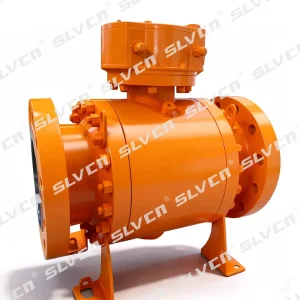
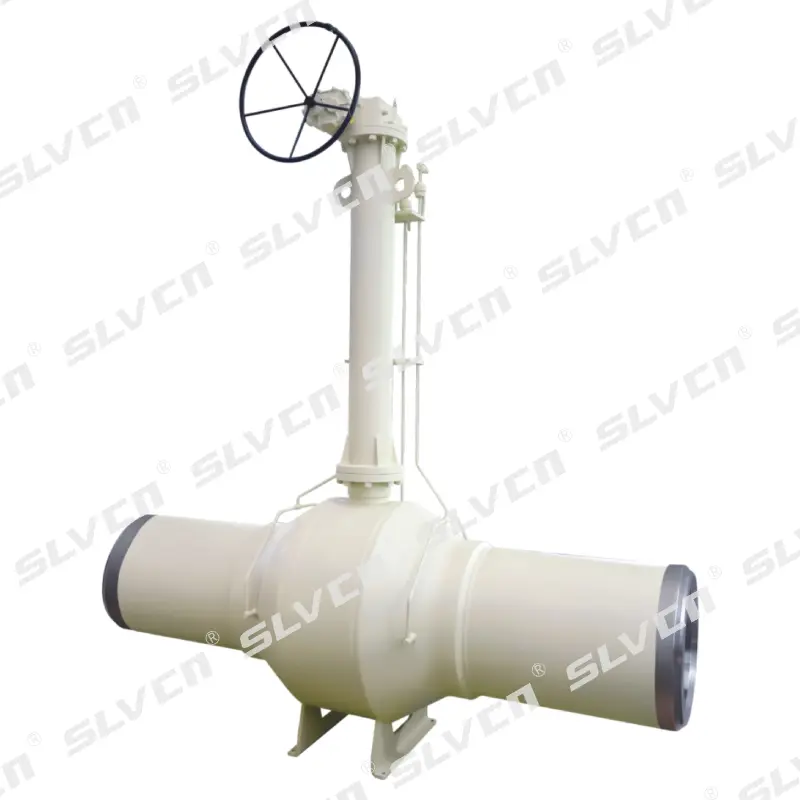
No bolted or flanged joints — withstands soil and pipeline stress for long-term, maintenance-free operation.
Low torque operation with extended seat life, ideal for large-diameter, high-pressure pipelines.
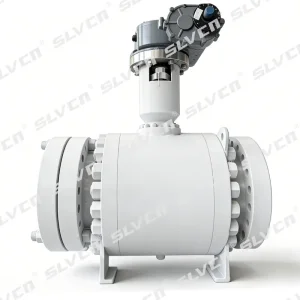
Stem reaches ground level, minimizing excavation and ensuring safe operation of underground valves.
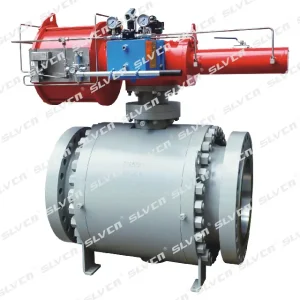
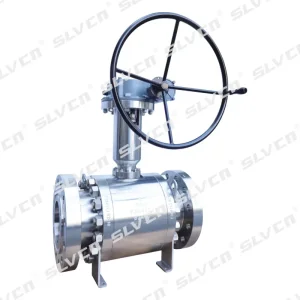
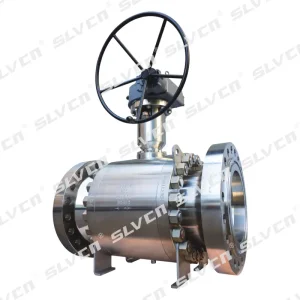
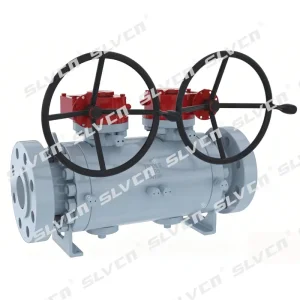
Smooth and efficient torque transmission for easy opening and closing. Optional electric or pneumatic actuators available.
Extended pipe ends ensure pipeline alignment, reduce welding stress, and simplify lifting, transport, and field installation.
Choose PTFE, RPTFE, PPL, PEEK, TFM, PCTFE, or other materials to match media, temperature, and pressure requirements.
What is the advantage of a fully welded body in a buried ball valve?
A fully welded body eliminates bolted or flanged joints, which significantly reduces the risk of leakage caused by soil movement or pipeline stress. This design ensures long-term, maintenance-free operation, making it ideal for underground and subsea pipeline applications.
Why is a trunnion-mounted ball preferred for high-pressure pipelines?
Trunnion-mounted balls are mechanically anchored at both the top and bottom, which reduces the operating torque required to open or close the valve. This design distributes pipeline pressure more evenly across the seats, extending seat life and making it the preferred choice for large-diameter, high-pressure pipelines.
How does the extended stem design benefit underground valve operation?
The extended stem brings the valve operator up to ground level, so technicians can operate the valve without excavating the pipeline. This minimizes disruption, reduces maintenance costs, and ensures safe and convenient access to the valve at any time.
Can the actuator type be customized for specific applications?
Yes. While the valve comes standard with a manual gear operator for smooth torque transmission, it can also be equipped with electric or pneumatic actuators. This flexibility allows the valve to be integrated into automated pipeline control systems as needed.
What are the benefits of pipe extensions or seamless ends on buried ball valves?
Extended pipe ends ensure precise pipeline alignment during installation, help reduce welding stress at the joint area, and make lifting, transportation, and field installation significantly easier. They also provide a better weld connection to the main pipeline, improving overall structural integrity.
How do I choose the right seat material for my buried ball valve?
Seat material selection depends on the media being transported, operating temperature, and pressure conditions. For example, PTFE and RPTFE are commonly used for general chemical and gas applications, while PEEK and PCTFE are suited for higher temperatures and more demanding environments.