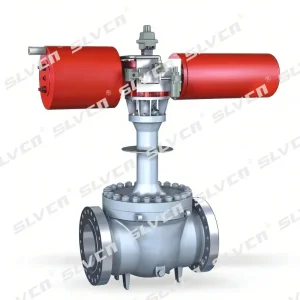
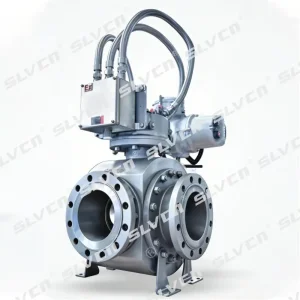
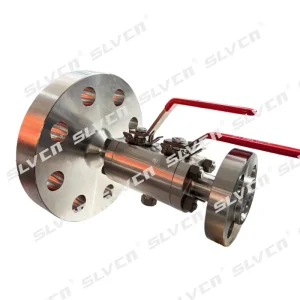
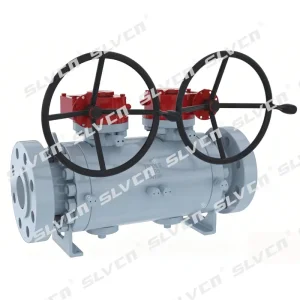
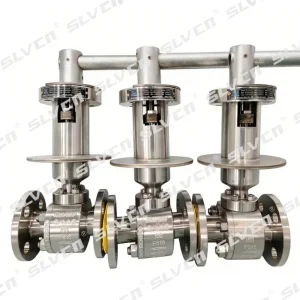
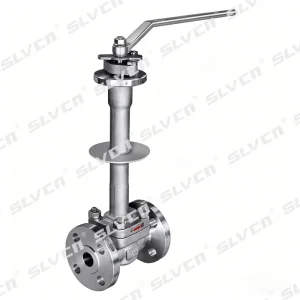
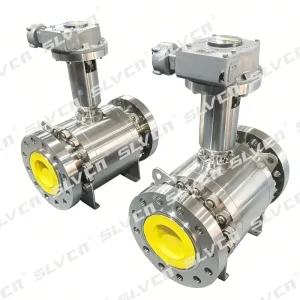
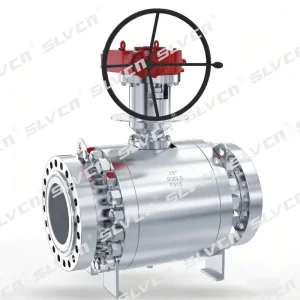
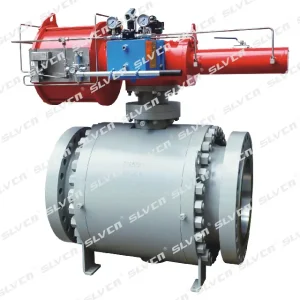
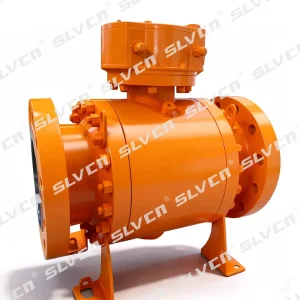
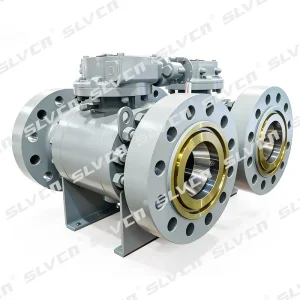
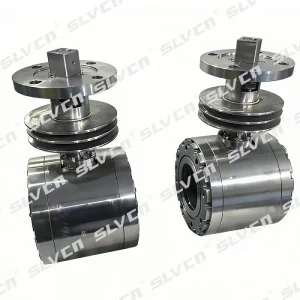
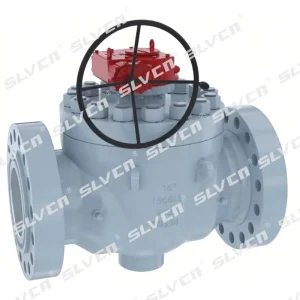
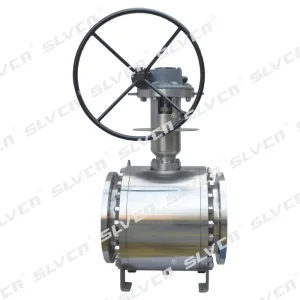
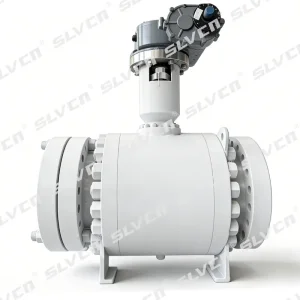
In the modern landscape of high-pressure energy transmission, the Double Block and Bleed (DBB) ball valve serves as the ultimate safety barrier. As a premier manufacturer, we understand that for petrochemical, LNG, and natural gas operators, "isolation" is not just a function—it is a critical risk-management necessity. DBB ball valves provide two seating surfaces that, when closed, isolate both the upstream and downstream pressure, allowing the cavity between the seats to be bled/vented. This ensures total verification of sealing integrity.
Why E-E-A-T matters in Valve Procurement: Our expertise lies in combining 30 years of manufacturing heritage with rigorous adherence to international standards (API 6D, ISO 5211). We do not just sell products; we provide information-rich solutions that reduce operational downtime for global energy giants.
Unlike assembly-only suppliers, we control the forging and casting process. This allows for superior metallurgical control and lower costs for high-grade alloys like F316 and Duplex Stainless Steel.
Our in-house hydrostatic and pneumatic testing facilities ensure that every valve meets the "Zero Leakage" standard before it leaves our floor, satisfying the most stringent international procurement audits.
Leveraging China's advanced industrial infrastructure, we optimize supply chains to ensure faster lead times, critical for mega-projects where every day of delay impacts millions in revenue.
The valve industry is undergoing a paradigm shift towards "Smart Valves" and "Green Energy Compatibility." As global demand for Hydrogen-ready infrastructure and LNG rises, we are adapting our seat materials (PEEK, Devlon, and Metal-to-Metal) to handle these volatile media. Procurement teams should prioritize manufacturers that offer:
A: A twin-ball design provides two independent sealing mechanisms, drastically reducing the risk of catastrophic leakages in high-pressure gas lines, effectively separating the upstream and downstream pressure zones.
A: Forged steel offers a more uniform grain structure and superior density, making it significantly more resistant to internal stresses and leaks compared to cast variants in high-temperature or high-pressure cycles.
A: Yes. We specialize in cryogenic valves featuring extended stems and specialized low-temperature seals, tested down to -196°C to ensure functionality in LNG and liquid nitrogen applications.
A: We strictly follow API 6D, API 598, and ASME B16.34 standards, ensuring every valve undergoes rigorous pressure and leakage testing before shipment.
 Shoulong Valve