 Shoulong Valve
1 / 1
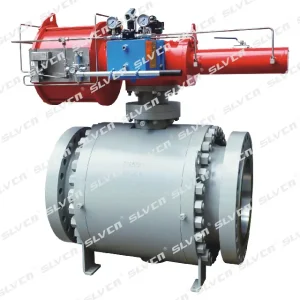
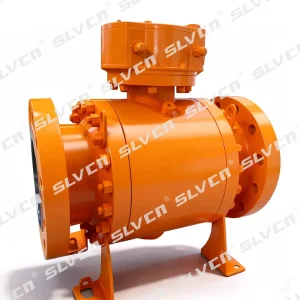
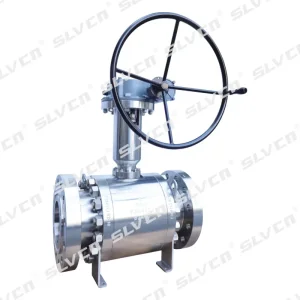
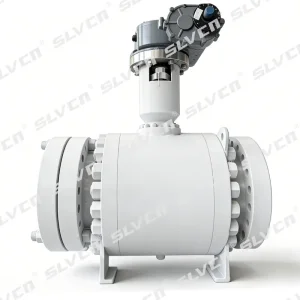
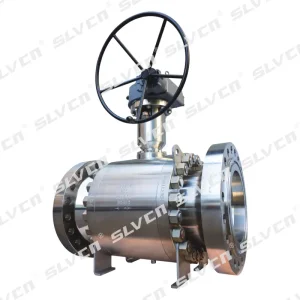
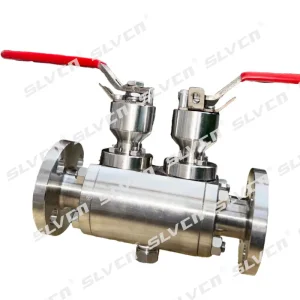
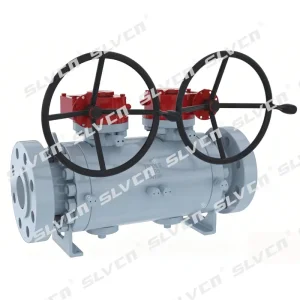
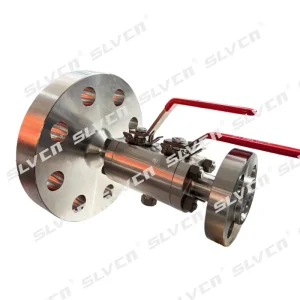
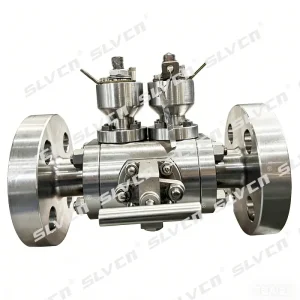
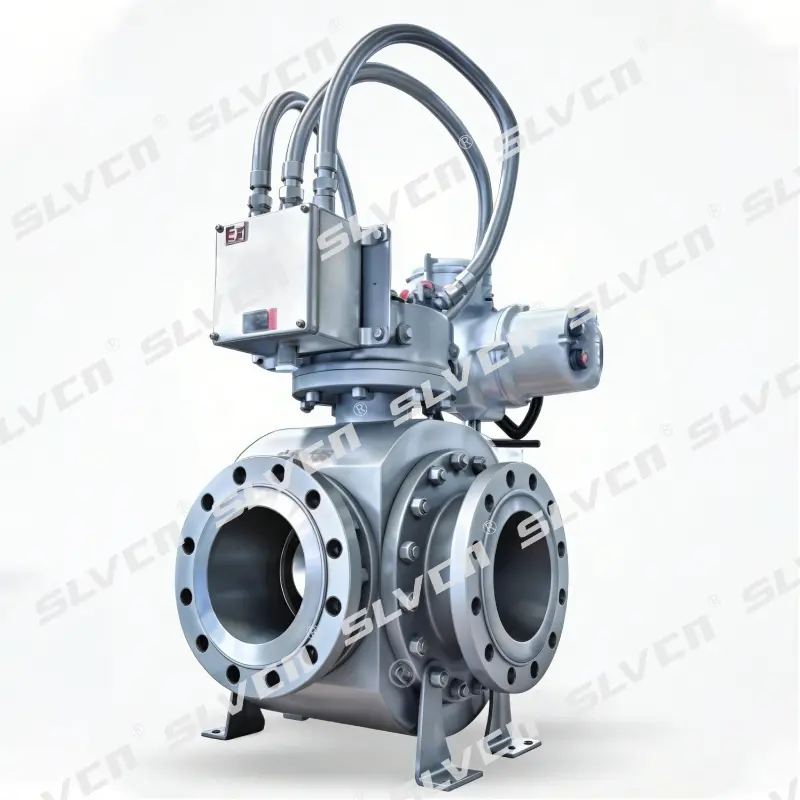
The top-entry structure and retractable seat design allow for quick, online replacement of the valve core and seals, eliminating the need for pipeline removal and reducing downtime by up to 80%.
Includes stem blowout prevention, electrostatic grounding, and fire-safe backup seals, providing reliable protection in extreme and hazardous operating environments.
The one-piece cast valve body reduces leak points, while the fixed ball and trunnion support structure ensure smooth, stable operation in high-pressure, large-diameter applications.
Features a sealant injection port for emergency seal leakage, enabling temporary sealing and minimizing operational losses during unexpected shutdowns.
What does the top-entry structure mean for valve maintenance?
The top-entry structure allows technicians to access and replace the valve core and seals directly from the top of the valve body without removing the valve from the pipeline. This significantly reduces maintenance time and labor costs.
How does the fire-safe backup seal work?
These are secondary sealing elements that activate if primary soft seals are damaged by heat. They maintain a reliable seal to prevent fluid leakage, ensuring safety in hazardous environments.
Why is a one-piece cast valve body preferred over a multi-piece body?
It eliminates flanged joints or bolted connections, significantly reducing potential leak points. This improves structural integrity and service life in high-pressure applications.
What is the purpose of the sealant injection port?
It allows operators to inject a sealing compound during an emergency leak, creating a temporary seal to enable continued or safe shutdown operations without immediate pipeline closure.
What is electrostatic grounding and why is it important?
It provides a conductive path to discharge static electricity built up during fluid flow, preventing sparks in applications involving flammable or explosive media.
What advantages does the trunnion-mounted design offer?
It uses mechanical supports to fix the ball in place, reducing load on the seats and lowering operating torque, which ensures stable operation in large-diameter, high-pressure systems.