What does DBB stand for and how does the twin ball configuration work?
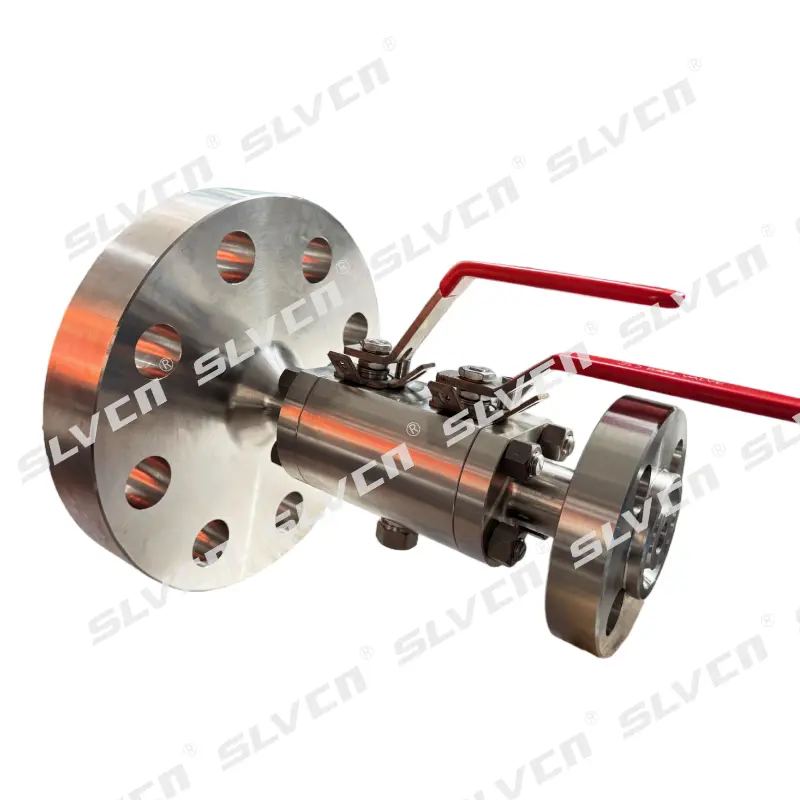
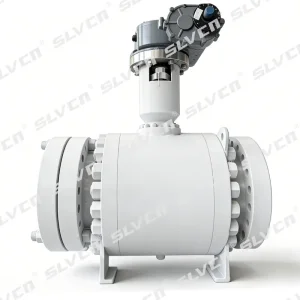
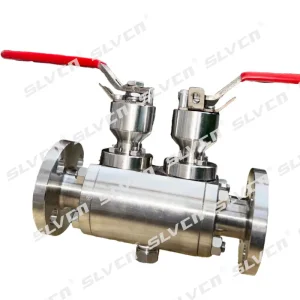
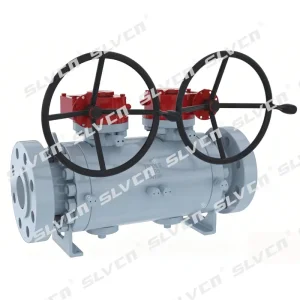
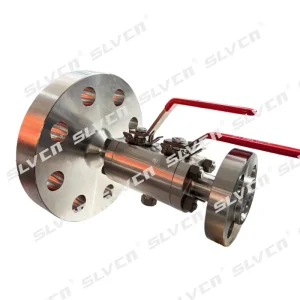
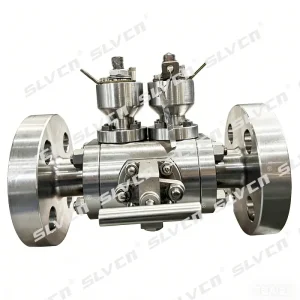
DBB stands for Double Block and Bleed. The twin ball DBB configuration uses two independent trunnion-mounted ball valves that create dual isolation barriers within a single valve body. A bleed cavity positioned between the two balls allows operators to safely release trapped pressure and verify the integrity of both upstream and downstream seals.
What is the purpose of the integrated reducing-end design?
The integrated reducing-end design features unequal flange sizes on the inlet and outlet of the valve. This allows for a smooth pipeline diameter transition without the need to install additional pipe reducers, saving installation space and reducing potential leak points in the piping system.
In what types of applications is this valve most commonly used?
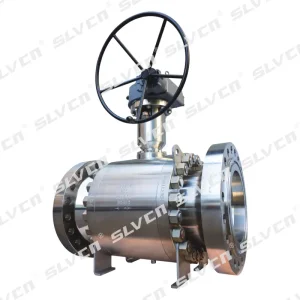
This valve is widely used in oil and gas, petrochemical, refining, and high-pressure pipeline systems. Its compact one-body construction and heavy-duty flanged connections make it particularly well-suited for skid-mounted systems, offshore platforms, and any environment where space is limited but isolation reliability is critical.
What is the difference between RF and RTJ flange face types?
RF (Raised Face) flanges feature a raised sealing surface and use flat or spiral wound gaskets, making them suitable for moderate-pressure applications. RTJ (Ring Type Joint) flanges use a metal ring gasket seated in a groove, providing superior sealing performance in extreme high-pressure and high-temperature service conditions. Both options are available to match specific pipeline requirements.
How does the central bleed port improve operational safety?
The central bleed port connects directly to the cavity between the two ball valves. During maintenance or inspection, operators can safely depressurize this trapped cavity, monitor for any leakage past the seals, and confirm that both seats are holding before initiating downstream work. This significantly reduces the risk of accidental pressure release during maintenance activities.
Can the independent dual handles be automated or actuated?
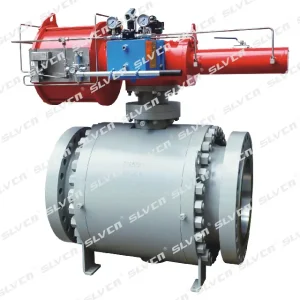
Yes, while the valve is designed with independent dual handles for clear manual operation and visual status indication of both the upstream and downstream isolation positions, it can also be fitted with pneumatic, hydraulic, or electric actuators. Automation enables remote operation and integration into pipeline control systems where manual access may be restricted or impractical.
 Shoulong Valve