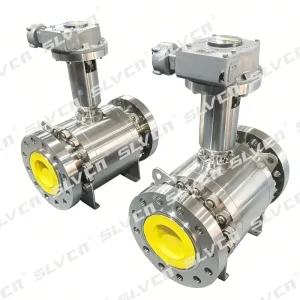
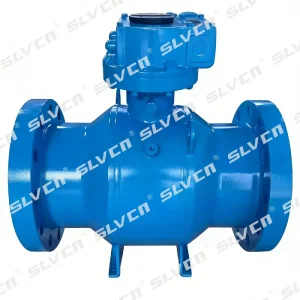
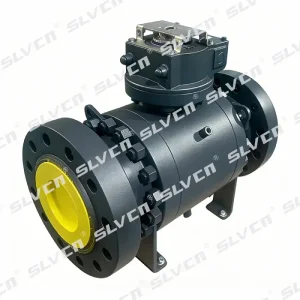
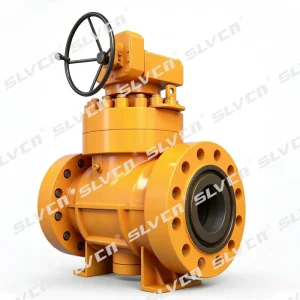
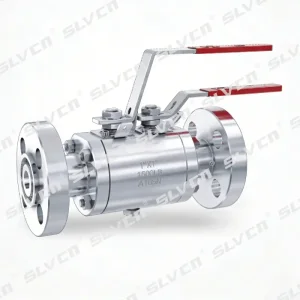
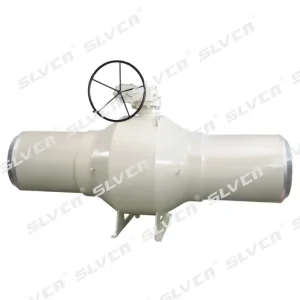
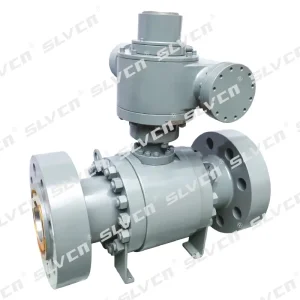
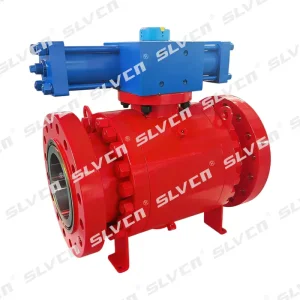
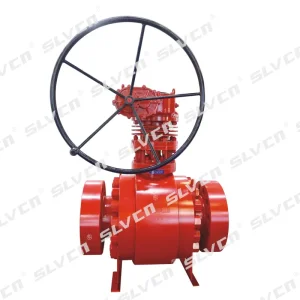
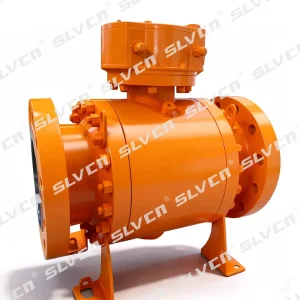
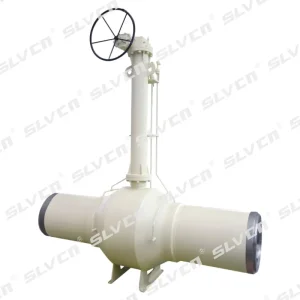
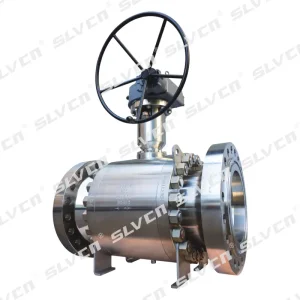
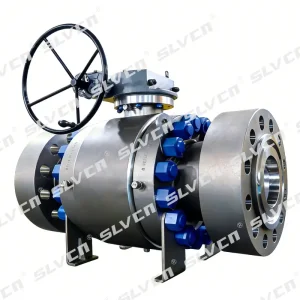
In the landscape of modern industrial infrastructure, the Double Block and Bleed (DBB) valve stands as a cornerstone of safety and operational integrity. When seeking a China Double Block And Bleed Valve Drawing Manufacturer, global procurement managers are not just looking for a product; they are seeking a partner capable of executing complex engineering drawings that comply with international standards like API 6D, ASME B16.34, and ISO 5211.
The transition of Chinese valve manufacturing from basic OEM to high-precision engineering has been rapid. Several factors define this shift:
As the world transitions towards more sustainable energy, the demand for high-integrity isolation valves in Hydrogen and LNG sectors is skyrocketing. Procurement trends include:
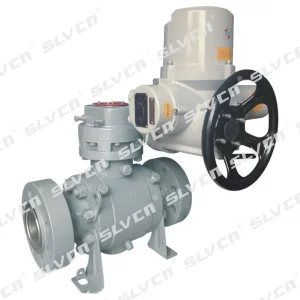
Today’s DBB valves are not merely mechanical devices. Integration with electric and pneumatic actuators, complete with smart positioning and leakage monitoring sensors, is now standard requirement for Industry 4.0 projects. Chinese manufacturers are at the forefront of retrofitting these systems onto traditional DBB designs.
Global buyers prioritize traceability. A reliable manufacturer must provide comprehensive Material Test Reports (MTRs), PMI (Positive Material Identification) reports, and detailed general assembly drawings (GAs). Establishing a partnership with a factory that understands International Project Documentation (IPD) is critical to avoiding costly regulatory delays.
A: A DBB valve features two seating surfaces with a cavity between them. This allows for the simultaneous isolation of both upstream and downstream flow, while the "bleed" port allows operators to verify seal integrity by draining the cavity, ensuring zero leakage during maintenance.
A: Absolutely. Most reputable Chinese manufacturers employ dedicated R&D engineering teams. When you submit your P&ID or specific dimensional requirements, they utilize CAD/SolidWorks to generate customized valve drawings that account for your piping constraints and pressure-temperature ratings.
A: E-E-A-T principles apply here: Always vet manufacturers based on their ISO 9001 certifications, API 6D monograms, and their track record in serving international energy markets (Europe, Middle East, Americas). Requesting third-party inspection (TPI) services is also a recommended verification step.
 Shoulong Valve