 Shoulong Valve
1 / 1
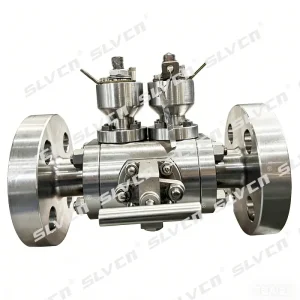
Two independent seals with a bleed port ensure complete line isolation and safe pressure relief.
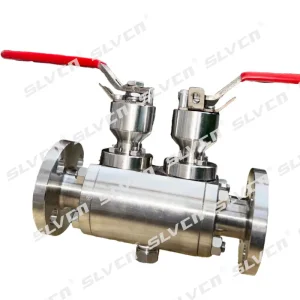
Each ball can be operated independently for selective upstream or downstream isolation during maintenance.
Allows instant cavity pressure release and visual leak verification before servicing.
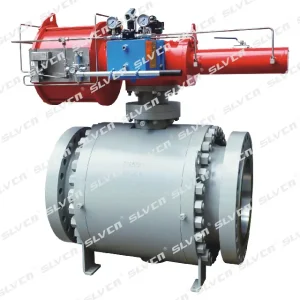
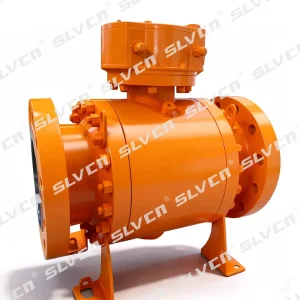
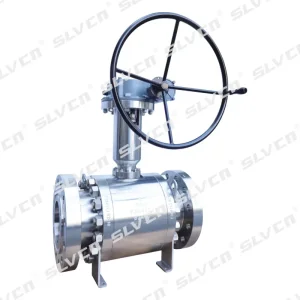
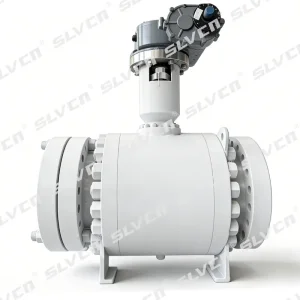
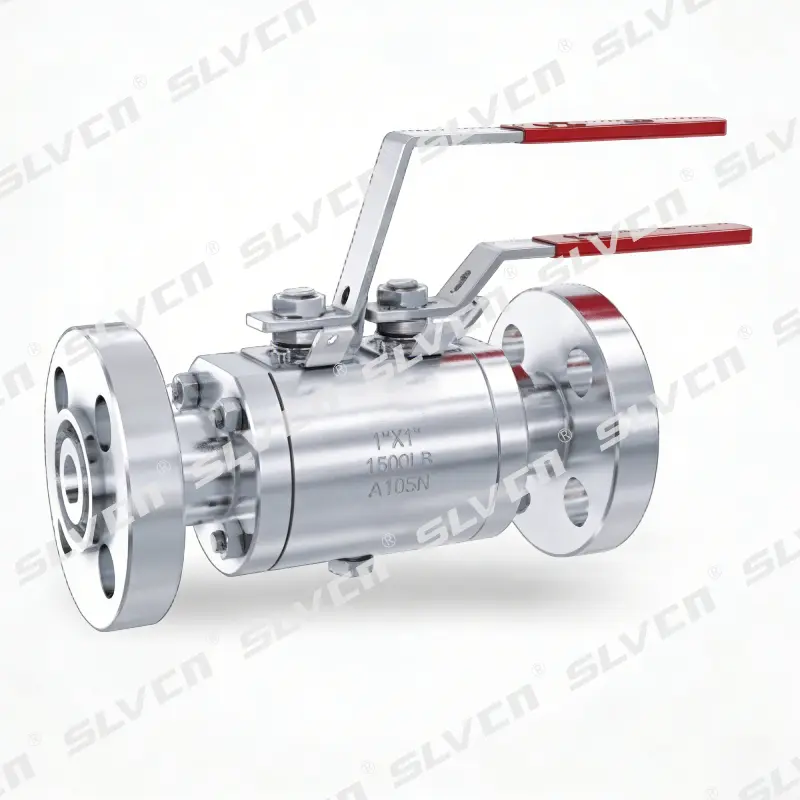
Forged steel body delivers reliable performance under Class 1500 high-pressure conditions.
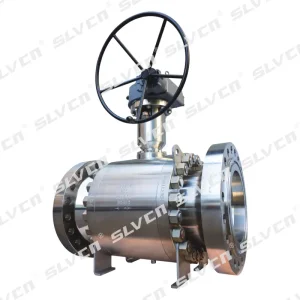
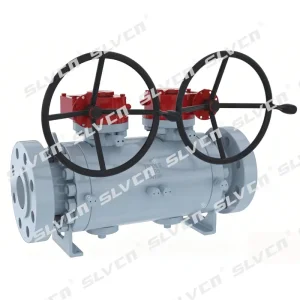
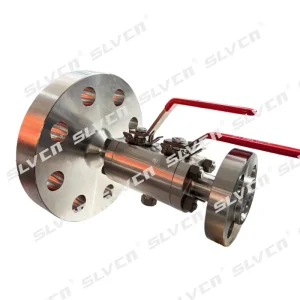
A Double Block & Bleed (DBB) valve features two independent seating surfaces that simultaneously block flow from both the upstream and downstream sides, while a bleed port between the two seals allows the trapped cavity pressure to be safely vented or monitored. This design ensures complete line isolation in a single compact valve body.
Yes. Each ball valve within the DBB assembly can be operated independently. This allows operators to isolate either the upstream or downstream side selectively during maintenance procedures, providing greater operational flexibility without needing to shut down the entire pipeline section.
The bleed port serves two critical safety functions: it allows the release of any residual cavity pressure trapped between the two seals, and it provides a point for visual or instrumental leak verification before any downstream maintenance work begins. This confirms that both seals are holding properly before personnel access the line.
This DBB valve features a forged high-strength steel body specifically engineered for Class 1500 high-pressure service conditions. The forged construction provides superior structural integrity and reliability compared to cast alternatives, making it suitable for demanding industrial and oil & gas applications.
Forged steel bodies offer higher tensile strength, greater material density, and fewer internal voids compared to cast bodies. These properties translate directly into improved pressure containment, better resistance to fatigue under cyclic loading, and an overall longer service life.
DBB valves are widely used across industries where safety and reliable isolation are paramount, including oil and gas production and transmission, petrochemical processing, offshore platforms, subsea pipelines, power generation facilities, and chemical processing plants.