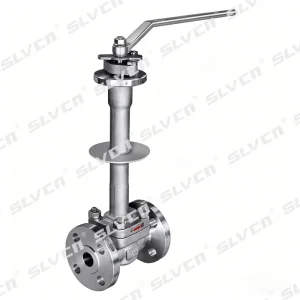
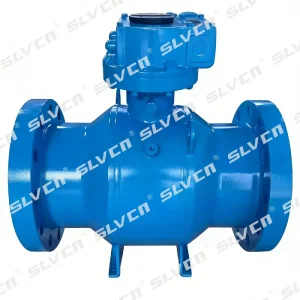
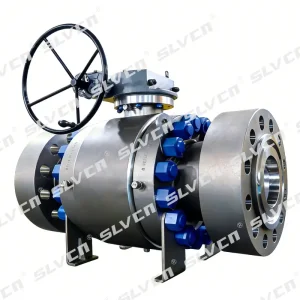
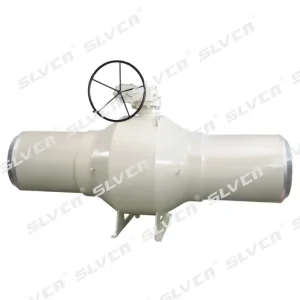
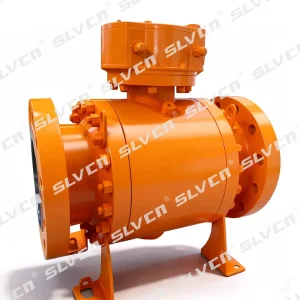
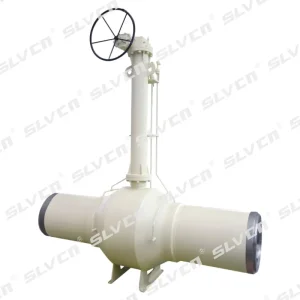
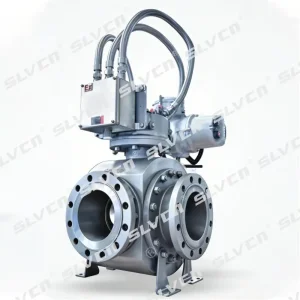
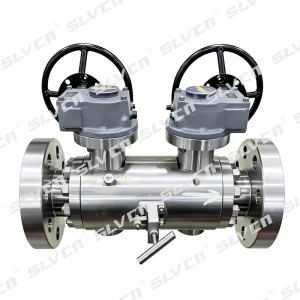
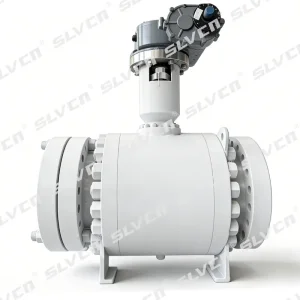
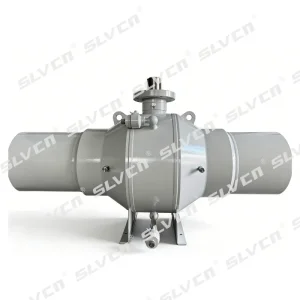
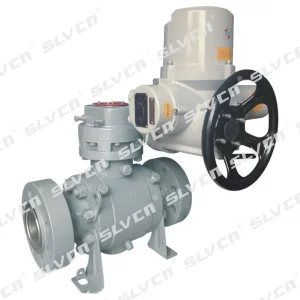
In the landscape of industrial flow control, material selection is the foundational pillar of operational safety. Duplex Stainless Steel (DSS) and Super Duplex ball valves have emerged as the gold standard for high-performance applications where standard austenitic stainless steels (like 316/316L) fail. Combining an optimized micro-structure of austenite and ferrite, these valves offer superior mechanical strength and localized corrosion resistance, particularly against chloride-induced stress corrosion cracking.
As a leading OEM Duplex Ball Valve Manufacturer, we understand that procurement is not merely about purchasing a component; it is about risk mitigation. Our engineering philosophy centers on the Pitting Resistance Equivalent Number (PREN) > 40 for Super Duplex materials, ensuring that our valves survive in the harsh environments of offshore oil platforms, chemical processing plants, and seawater desalination facilities.
The "China Factory 4.0" initiative has redefined the capabilities of valve manufacturing. By integrating IoT-driven CNC machining, automated material testing, and real-time digital twins for valve assembly, we ensure that every unit leaving our facility adheres to the highest international benchmarks (API 6D, ISO 14313, ASME B16.34).
Key Differentiators in Our Manufacturing Process:
Global procurement teams are shifting away from commodity sourcing toward Project-Oriented Partnerships. In the current geopolitical and economic climate, the demand is for "Zero-Downtime" valve solutions. Our OEM services are specifically designed to support EPC (Engineering, Procurement, and Construction) companies that require rapid prototyping, bespoke engineering, and long-term service life.
Primary Industry Applications:
Duplex stainless steel offers nearly double the yield strength of standard austenitic stainless steel and superior resistance to chloride stress corrosion cracking, making it the most cost-effective solution over the lifecycle of the valve in aggressive environments.
DBB technology allows for the isolation of both upstream and downstream piping. By venting the cavity between the two seats, it ensures that there is no pressure build-up, verifying that the valve is truly providing a positive shut-off—essential for maintenance safety in chemical and petrochemical plants.
Yes. As an OEM, we specialize in integrating various actuation systems (Pneumatic, Electric, Hydraulic) according to the user's control architecture (e.g., Modbus, HART protocols), ensuring seamless integration into DCS or SCADA systems.
We adhere to API 6D, API 607 (Fire Safe), ISO 9001, and CE/PED standards. Every valve undergoes hydrostatic and pneumatic testing to meet client-specific MTR (Material Test Report) requirements.
 Shoulong Valve