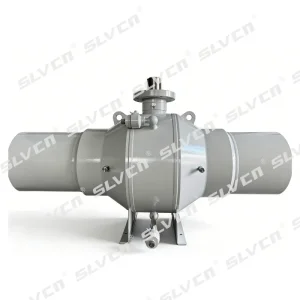
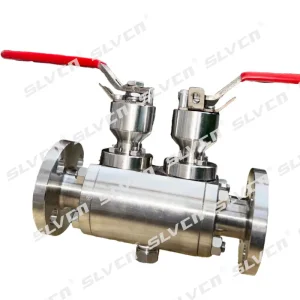
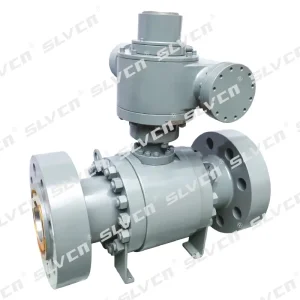
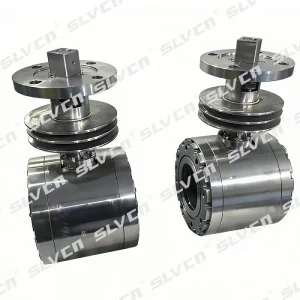
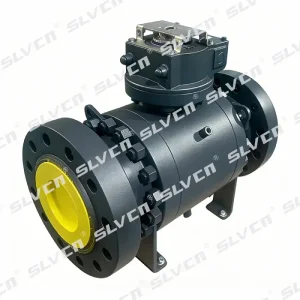
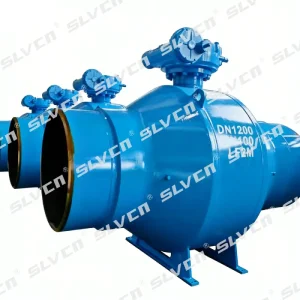
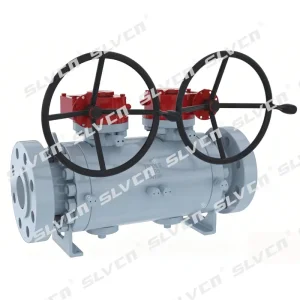
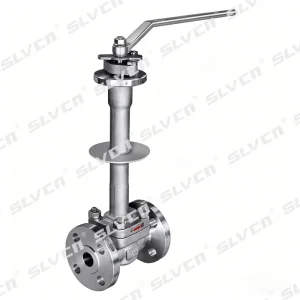
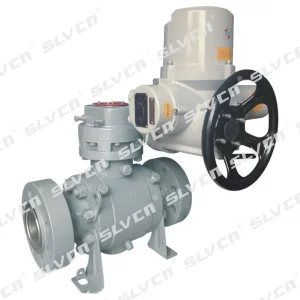
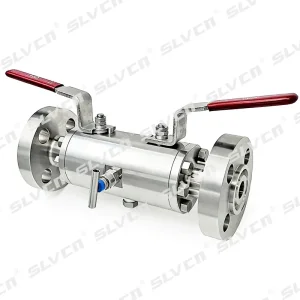
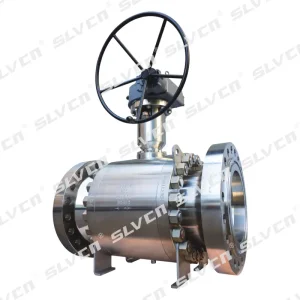
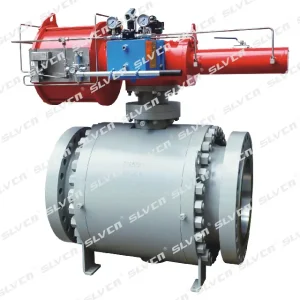
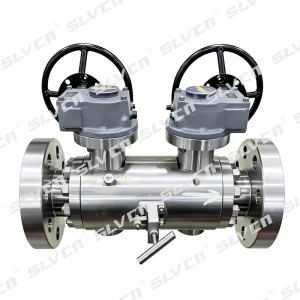
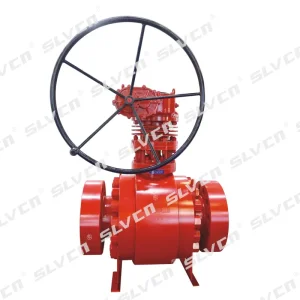
In the complex landscape of global industrial flow control, gear operated ball valves represent a critical intersection of torque management, safety, and mechanical reliability. As a leading voice in China's manufacturing sector, we analyze the specific requirements that define top-tier production environments.
Gear operation is not merely a convenience; it is a critical safety feature for high-pressure and large-diameter pipelines. When a ball valve exceeds a certain size (typically 6 inches or above, depending on pressure class), the internal fluid pressure and seat friction create substantial operational torque. Our manufacturing philosophy focuses on precision-engineered worm gear actuators that ensure:
China has evolved from a component manufacturer to a comprehensive solution provider. Today’s factories integrate computational fluid dynamics (CFD) and finite element analysis (FEA) to simulate stress loads before production. Whether for upstream oil & gas extraction, midstream transmission pipelines, or downstream refinery processing, our valves meet rigorous API 6D and ISO 14313 standards, ensuring global interoperability.
E-E-A-T (Experience, Expertise, Authoritativeness, Trustworthiness) is the cornerstone of our operations. We maintain strict compliance with material traceability standards (EN 10204 3.1/3.2). Our metallurgical labs ensure that the base materials—whether Carbon Steel (A105, WCB) or Stainless Steel (CF8M, F316)—are tested for cryogenic resilience or high-temperature stability, ensuring that our gear operated valves are fit for purpose in the most extreme environments, from the deserts of the Middle East to the cryogenic LNG facilities in Northern Europe.
We are transitioning beyond mechanical gear operation into the era of Intelligent Valve Infrastructure. Our current R&D pipeline focuses on:
For valves of a certain size and pressure class (e.g., Class 600 and above), the operational torque becomes too high for direct manual actuation. A gear operator provides the mechanical advantage necessary to turn the ball smoothly, protecting the stem from shear and ensuring operator safety.
Leading factories utilize advanced CNC machining, automated welding, and rigorous non-destructive testing (NDT) such as X-ray and Ultrasonic testing. Most certified manufacturers adhere strictly to API, ASME, and ISO standards, backed by third-party verification from entities like DNV, BV, or TUV.
Lead times vary based on material availability and testing requirements. However, integrated supply chains in China allow for rapid prototyping and production, typically ranging from 4 to 12 weeks for complex, high-pressure, bespoke projects.
 Shoulong Valve