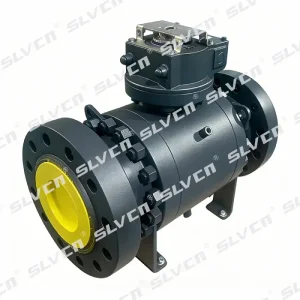
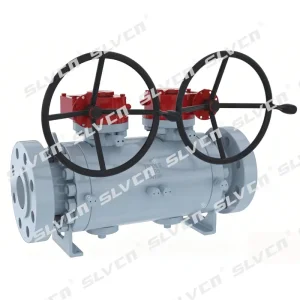
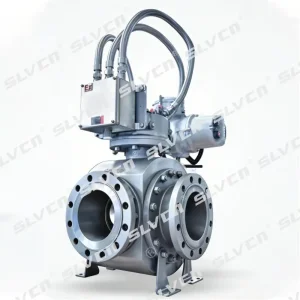
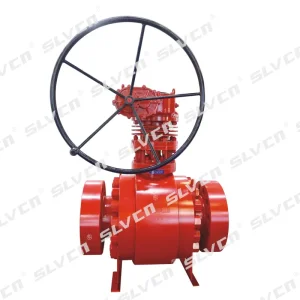
Engineered for Zero-Leakage in Severe Service Conditions
In the current global industrial landscape, the demand for OEM High Pressure Stainless Steel Ball Valves has transitioned from simple mechanical components to highly engineered safety-critical assets. As industries like Green Hydrogen, LNG (Liquefied Natural Gas), and Deep-sea Petrochemical extraction expand, the technical requirements for valves have reached unprecedented levels. Modern infrastructure requires valves that can withstand pressures exceeding 6000 PSI (Class 2500) while maintaining bubble-tight shut-off in temperatures ranging from -196°C to over 550°C.
Today's procurement strategies are no longer driven solely by price. Based on current global industrial trends, "Reliability-Centered Maintenance" (RCM) and "Information Gain" in technical documentation are the new standards. Leading manufacturers must now provide detailed material traceability (MTRs), Fugitive Emission certification (ISO 15848-1), and Fire-Safe testing (API 607) to meet stringent Environmental, Social, and Governance (ESG) mandates. The use of Stainless Steel 316L, Duplex, and Super Duplex materials ensures longevity against chloride-induced stress corrosion cracking, a critical factor in offshore and coastal installations.
Years Engineering Expertise
Countries Exported
Global Industrial Clients
Precision Manufacturing Area
As a global leader in valve manufacturing, the Chinese supply chain for high-pressure valves offers a unique combination of vertical integration and technological agility. Unlike traditional Western manufacturers, China's valve clusters (specifically in regions like Wenzhou and Suzhou) have developed a highly resilient ecosystem that includes dedicated forging houses, precision CNC machining centers, and advanced testing laboratories all within a narrow geographic radius.
Utilizing advanced CAD/CAM and Finite Element Analysis (FEA), Chinese factories can reduce the OEM design cycle from months to weeks, allowing for rapid deployment in emergency maintenance or fast-track projects.
The integration of localized foundries ensures that "Verified Materials for Pressure Parts" are handled with strict heat treatment protocols, ensuring the integrity of trunnion-mounted designs.
Scale of economy and optimized logistics allow for a 30-40% reduction in total cost of ownership (TCO) without compromising on international standards like ASME B16.34 or API 6D.
To succeed in the European and Middle Eastern markets, China-based manufacturers like SLVCN have invested heavily in localized compliance. This includes CE/PED certifications for the EU market, EAC for the Eurasian Customs Union, and CRN for Canada. Our commitment to E-E-A-T principles means we provide not just a product, but a complete technical dossier that ensures seamless integration into local regulatory frameworks.
The roadmap for high-pressure stainless steel ball valves is moving toward "Intelligence and Sustainability." Over the next decade, we anticipate three major technological shifts:
The transition from manual valves to "Smart Valves" is accelerating. Future iterations of the Trunnion Mounted Ball Valve will feature integrated sensors to monitor stem torque, seat leakage, and cycle counts in real-time. This data will be fed into cloud-based Predictive Maintenance (PdM) platforms, reducing unplanned downtime in critical pipelines.
For severe service applications, Tungsten Carbide (TCC) and Chromium Carbide (CCC) thermal spray coatings are becoming the norm. These technologies allow stainless steel valves to handle abrasive media (like sand in oil production) and high-velocity steam without erosion of the sealing surfaces.
As the world pivots toward the Hydrogen Economy, valve sealing systems are being redesigned to handle the "Hydrogen Embrittlement" challenge. This includes the use of specialized elastomers and metallic seals with low-permeability characteristics to ensure zero-leakage of the smallest molecule known to man.
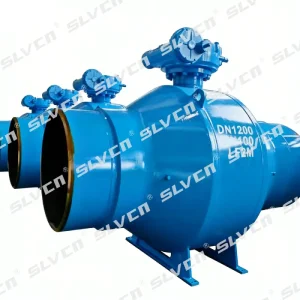
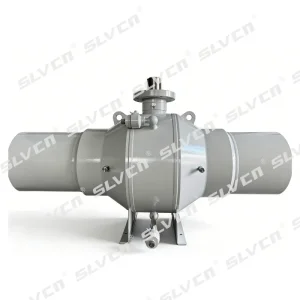
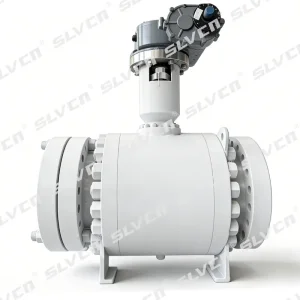
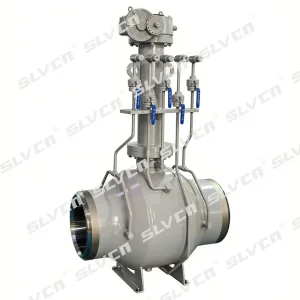
Natural Gas Compressor Stations require 100% reliable isolation. Our fully welded trunnion ball valves with extended stems are the preferred choice for underground pipeline installation across the Middle East and Central Asia.
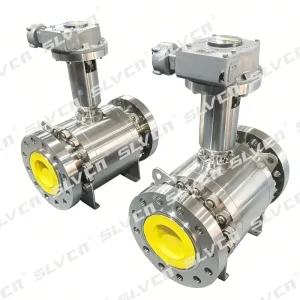
Cryogenic terminals in Northern Europe utilize our F316L forged trunnion valves. These are tested at -196°C to ensure the lip seals and extended bonnets prevent freezing of the actuator assembly.
In supercritical power plants, metal-seated high-pressure valves control high-temperature steam bypass systems, where thermal expansion management is critical for valve operation.
Batch reactors handling corrosive acids require the chemical resistance of Hastelloy or Super Duplex stainless steel ball valves to prevent premature system failure.
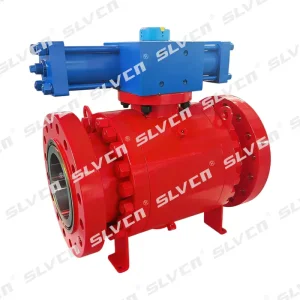
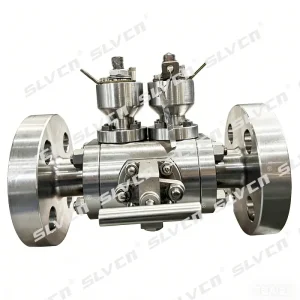
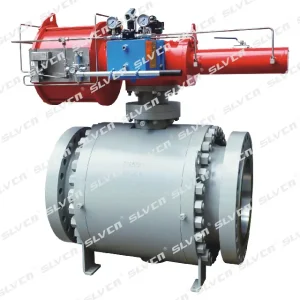
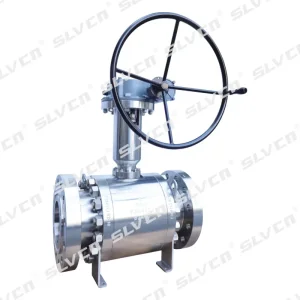
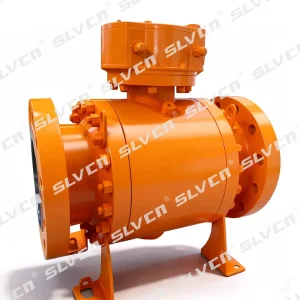
In floating designs, the ball is held by the seats, which can lead to high torque at high pressures. Trunnion-mounted valves use a fixed stem and trunnion to support the ball, allowing the seats to float against the ball. This significantly reduces operating torque and seat wear in high-pressure applications (Class 900 and above).
SS316 contains molybdenum, which provides superior resistance to pitting and crevice corrosion in chloride-rich environments. The 'L' variant (low carbon) prevents sensitization during welding, making it ideal for the Fully Welded Ball Valve designs used in underground gas transmission.
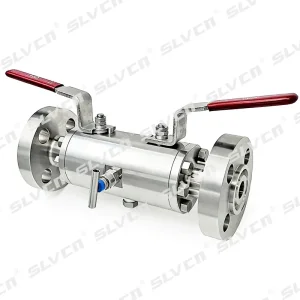
A DBB valve provides two isolation points in a single valve body with a bleed port in between. This allows operators to verify the seal integrity and drain the cavity safely before performing downstream maintenance, eliminating the need for two separate valves and reducing the footprint.
We adhere strictly to API 598 and ISO 5208 (Rate A) for soft-seated valves. For metal-seated valves, we typically achieve Class V or VI shut-off as per ANSI/FCI 70-2, ensuring minimal energy loss and maximum safety.
Precision Engineered for Global Industrial Standards
 Shoulong Valve