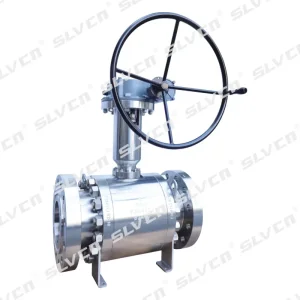
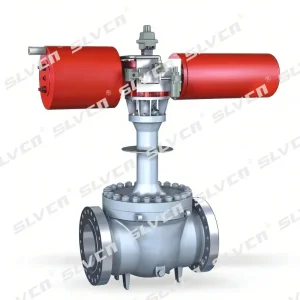
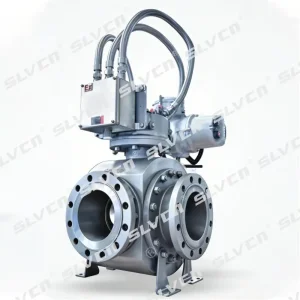
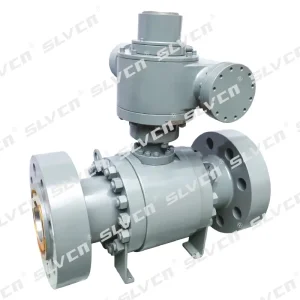
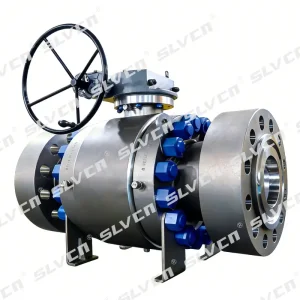
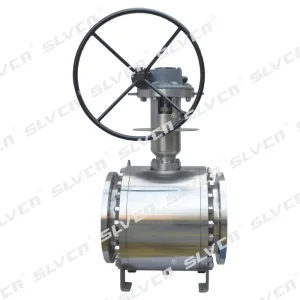
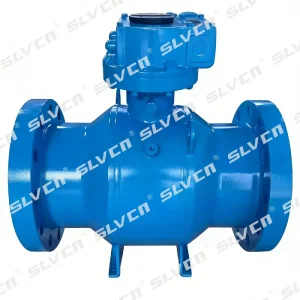
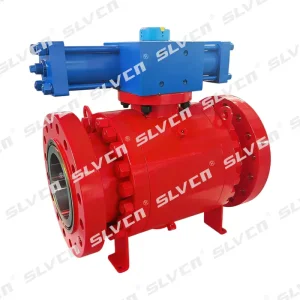
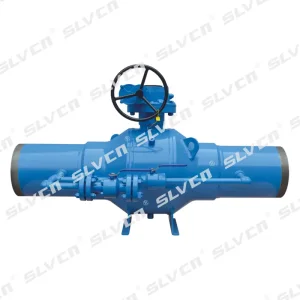
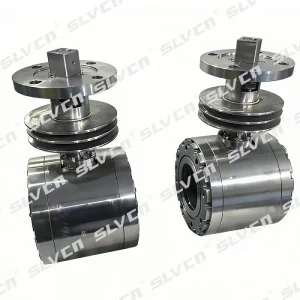
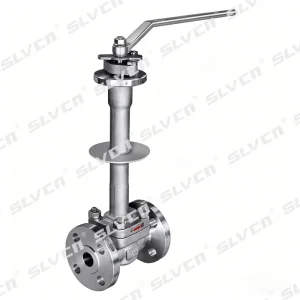
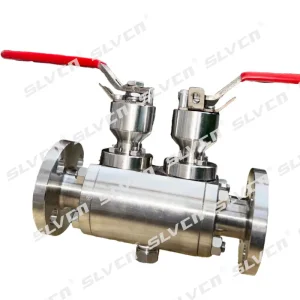
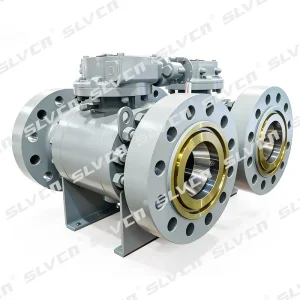
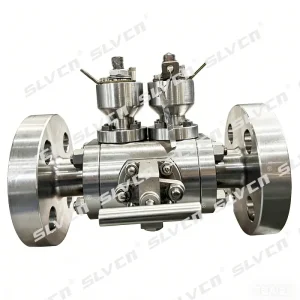
In the landscape of modern industrial engineering, Low Temperature (Cryogenic) Ball Valves are not merely components; they are the gatekeepers of volatile media management. As global energy transitions toward cleaner sources like Liquefied Natural Gas (LNG) and Hydrogen, the demand for high-integrity, zero-leakage isolation has reached a zenith. This whitepaper analyzes the current manufacturing ecosystem and the strategic importance of OEM partnerships.
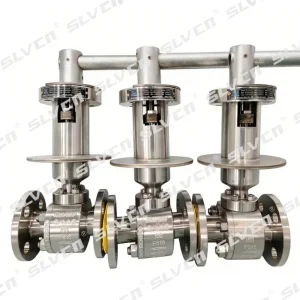
Modern cryogenic valve manufacturing is witnessing a paradigm shift. Trends indicate a rapid move toward Integrated Smart Monitoring, where valves are equipped with real-time sensors to detect thermal contraction variances. Additionally, the industry is standardizing on Extended Bonnet Designs to protect valve actuators from extreme temperature gradients, a critical factor often overlooked by less experienced suppliers.
For multinational corporations, procuring valves for cryogenic service requires more than a price quote. It demands a rigorous evaluation of E-E-A-T (Experience, Expertise, Authoritativeness, Trustworthiness). The optimal procurement strategy includes verifying:
We view valve manufacturing as a systems engineering problem. Our macro-solutions integrate localization support—aligning product designs with regional codes (ASME, API, ISO, EN, and PED). We provide complete technical documentation, MTRs (Material Test Reports), and NDT (Non-Destructive Testing) certification to ensure compliance with the most stringent global safety standards.
The roadmap for cryogenic ball valves is evolving toward high-pressure hydrogen service (up to 700 bar). Our R&D focus is currently on Advanced Tribology—developing specialized coatings that minimize friction in non-lubricated environments, ensuring the longevity of seats and seals in extreme cold. By 2030, we anticipate the full automation of cryogenic valve maintenance via predictive maintenance algorithms.
A: While often used interchangeably, cryogenic valves are specifically designed for temperatures below -50°C (down to -196°C). They require extended bonnets to prevent ice formation on the packing gland and utilize specialized materials to prevent embrittlement.
A: We utilize precision-engineered metal-to-metal seating combined with spring-loaded, fire-safe graphite packing and a unique cavity pressure relief design that prevents over-pressurization during thermal expansion.
A: Factory direct procurement eliminates middleman markups, allows for customized engineering for specific project requirements, and ensures direct access to manufacturing quality control processes.
 Shoulong Valve