 Shoulong Valve
1 / 1
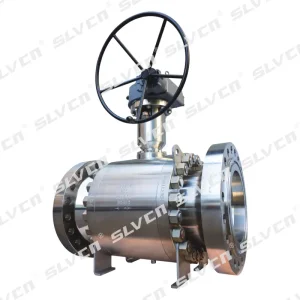
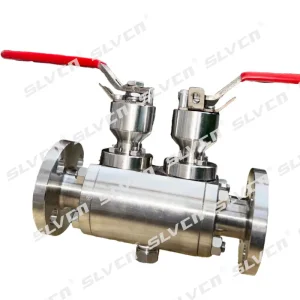
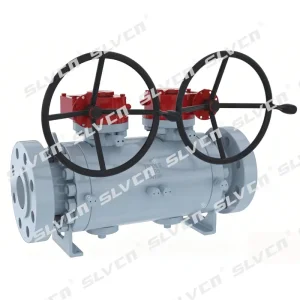
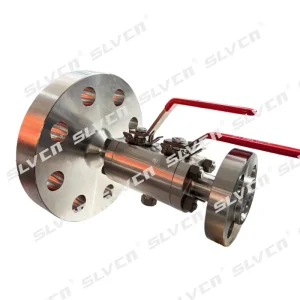
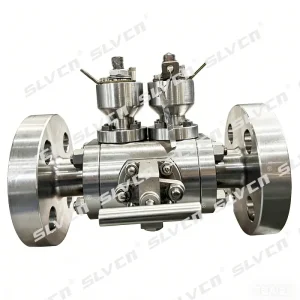
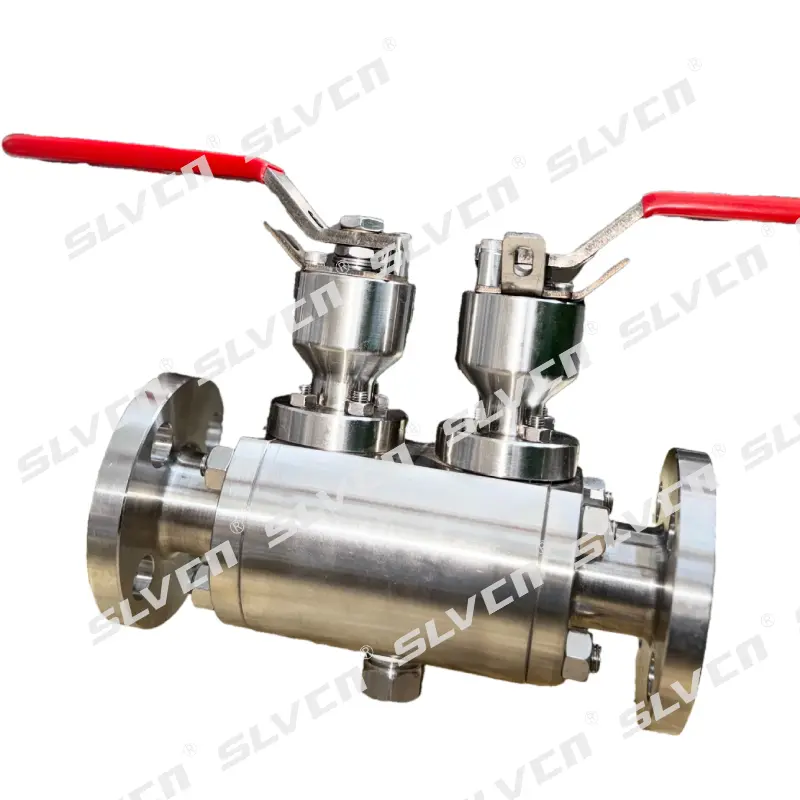
Double block & bleed with central bleed port ensures maximum isolation, safe pressure release, and leakage detection.
Mechanically supported balls reduce seal wear, lower operating torque, and provide stable performance.
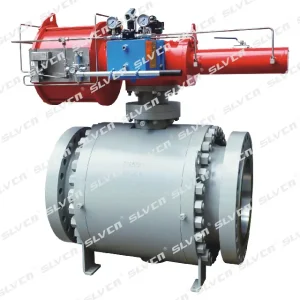
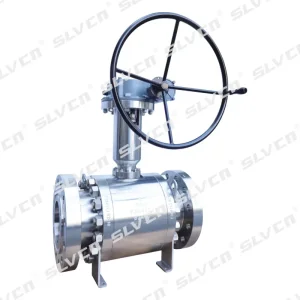
Dual manual handles standard; compatible with pneumatic or electric actuators for automated or on-off control.
Soft seats (PTFE / PCTFE / PEEK / Devlon V) or metal seats available for different temperature, pressure, and media requirements.
Maintains consistent sealing even under low-pressure or fluctuating conditions.
Designed per industry fire-safe and anti-static guidelines for enhanced operational safety.
Q What is a True Twin Ball DBB valve, and why is it important?
A True Twin Ball DBB valve features two independent seating surfaces along with a central bleed port. This provides maximum isolation by blocking flow from both sides, allowing safe pressure release and leakage detection, which is critical for handling hazardous media.
Q What are the advantages of a trunnion-mounted ball valve?
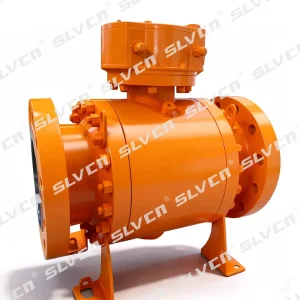
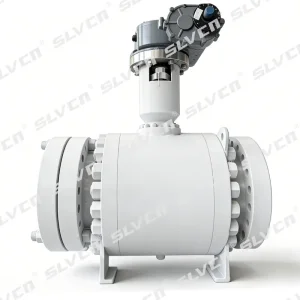
Trunnion-mounted designs anchor the ball at both the top and bottom, preventing shifting under pressure. This reduces operating torque, minimizes seat wear, and ensures reliable performance under high differential pressure.
Q What actuation options are available?
The valve comes standard with dual manual handles. It is also fully compatible with pneumatic or electric actuators for automated, remote operation in process control systems.
Q How do I choose the right seat material?
Selection depends on temperature, pressure, and media type. We offer various soft seats like PTFE, PCTFE, PEEK, and Devlon V for specific chemical resistances, as well as metal seats for high-temperature or abrasive conditions.
Q What is the benefit of the spring-loaded seat structure?
It uses spring force to maintain constant contact between the seat and the ball, ensuring a reliable seal even during low-pressure or fluctuating conditions, such as system start-up and shutdown.
Q What standards govern the fire-safe and anti-static design?
Our valves are engineered in compliance with industry standards such as API 607, API 6FA, and BS 6755, ensuring valve integrity during fire exposure and providing safe electrostatic dissipation.