 Shoulong Valve
1 / 1
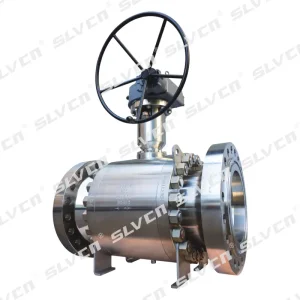
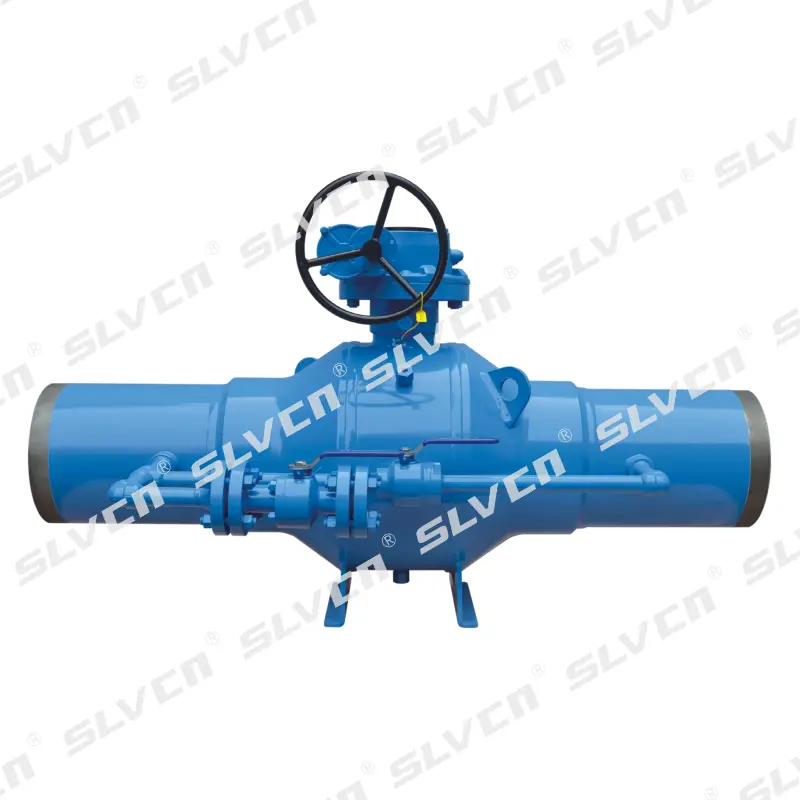
Eliminates flange joints and external leakage points, ideal for buried pipelines.
Reduces operating torque and ensures stable sealing under high pressure.
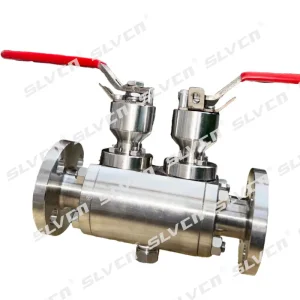
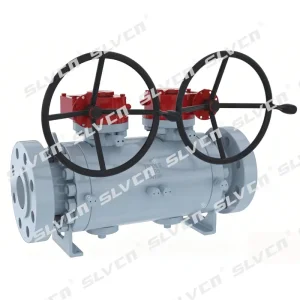
Balances pressure across the valve for safer and smoother operation.
Allows safe cavity pressure relief and pipeline drainage during maintenance.
Epoxy coating provides long-term protection in underground and outdoor environments.
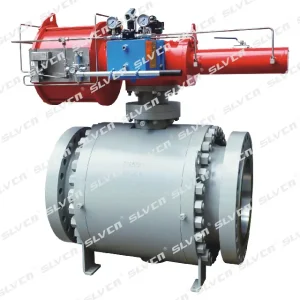
Standardized interface enables easy actuator installation and future automation.
What is the main advantage of a fully welded body ball valve over a flanged body valve?
A fully welded body eliminates all external flange joints, significantly reducing potential leakage points. This makes it the preferred choice for buried pipeline applications where maintenance access is limited and long-term integrity is critical.
How does the trunnion mounted ball design reduce operating torque?
In a trunnion mounted design, the ball is mechanically anchored at both the top and bottom, which prevents it from shifting under line pressure. The upstream seat moves toward the ball to create a seal, meaning the ball itself does not bear the full line pressure load — this dramatically lowers the torque required to operate the valve.
Why is an integrated bypass system important for large-diameter ball valves?
Large-diameter valves can experience significant pressure differentials across the ball when closed. The integrated bypass system equalizes pressure on both sides before the valve is opened, reducing mechanical stress on the ball and seats, preventing water hammer, and enabling safer and smoother operation for operators.
When should the built-in drain valve be used during pipeline maintenance?
The built-in drain valve should be used when the main valve is closed and maintenance is required on the downstream pipeline segment. It allows technicians to safely relieve trapped cavity pressure and drain residual fluid from the pipeline before performing any inspection or repair work, ensuring a safe working environment.
What type of epoxy coating is used, and how long does the anti-corrosion protection last?
The valve is coated with a heavy-duty fusion-bonded epoxy (FBE) or liquid epoxy system applied to both internal and external surfaces. This coating is specifically designed to withstand soil moisture, chemical exposure, and UV radiation, typically offering a service life of 20–30 years depending on soil conditions.
Does the ISO 5211 mounting pad support both pneumatic and electric actuators?
Yes. The ISO 5211 mounting pad is a standardized international interface that is compatible with a wide range of actuator types, including pneumatic, hydraulic, and electric actuators from various manufacturers. This ensures easy installation and provides flexibility for future automation upgrades.