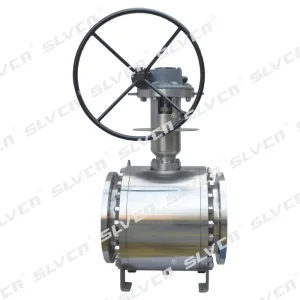
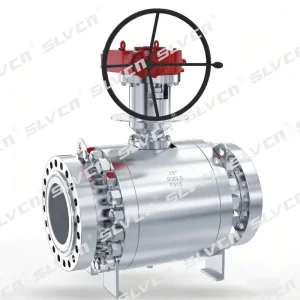
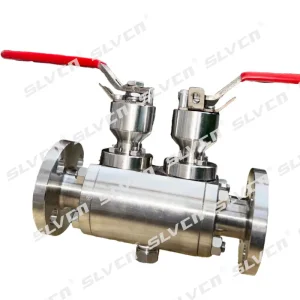
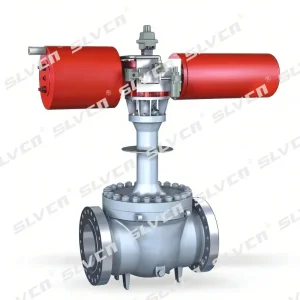
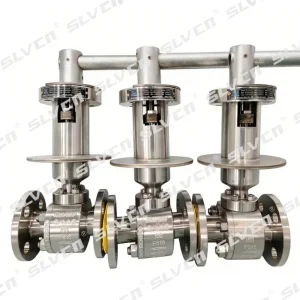
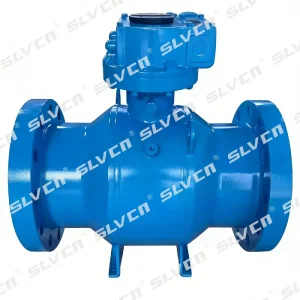
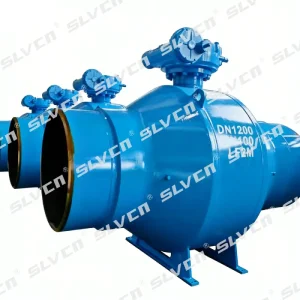
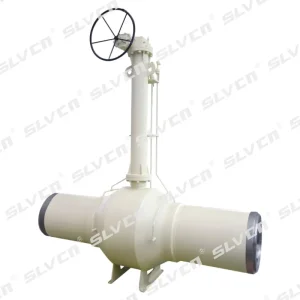
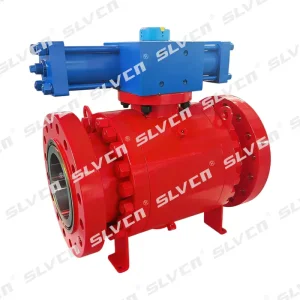
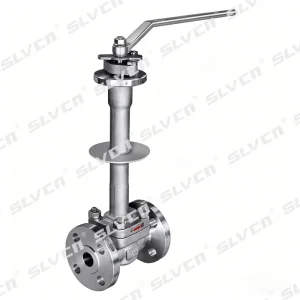
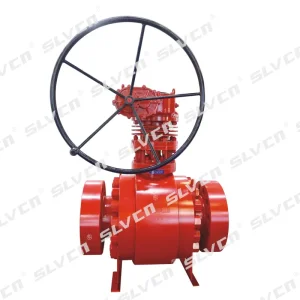
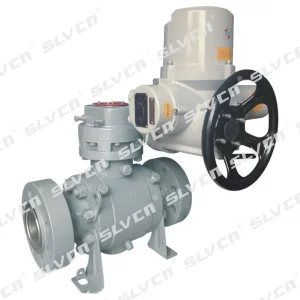
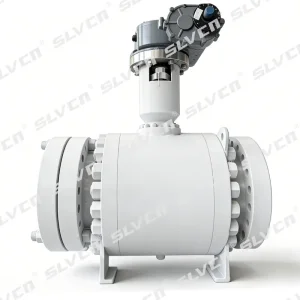
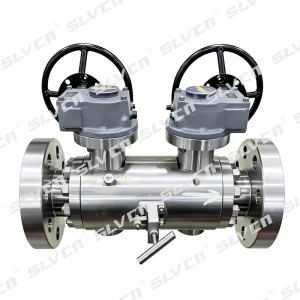
In the realm of high-stakes industrial operations, the shift from soft-seated to metal-seated valve technology represents a critical evolution. As global infrastructure faces increasingly aggressive media—ranging from high-temperature slurry in petrochemical refining to ultra-low temperature LNG processing—the limitations of polymer seals have become apparent. Metal-to-metal sealing technology, utilizing advanced surfacing like Stellite or Tungsten Carbide, ensures integrity under extreme pressure and thermal shock, effectively eliminating fugitive emissions.
China has emerged as the world’s leading manufacturing hub for these specialized components. By combining vertically integrated supply chains with advanced CNC precision machining and rigid quality control frameworks (ISO 9001, API 6D, API 607), Chinese manufacturers are now the primary partners for global engineering firms in the Middle East, Europe, and North America.
The procurement landscape for metal-seated valves is currently driven by the demand for Total Cost of Ownership (TCO) reduction. Global project managers are moving away from purely price-based bidding and toward value-based engineering. Key trends include:
The future of valve manufacturing lies in material science innovation. We are witnessing a transition towards:
Our commitment to this roadmap involves continuous R&D investment, ensuring our clients receive equipment that is not just compliant with today’s standards, but prepared for the regulatory shifts of tomorrow.
A: Metal-seated valves are designed for harsh service conditions. They excel in temperatures exceeding 200°C, high-pressure environments, and abrasive service where soft seals would degrade or fail. They offer superior wear resistance and durability.
A: Yes. Tier-1 Chinese manufacturers adhere strictly to API, ASME, ANSI, and ISO standards. Leading suppliers provide full material traceability and performance testing (fire-safe testing, cryogenic testing) to meet the rigorous demands of global oil, gas, and energy projects.
A: Focus on suppliers who offer 3rd-party inspection cooperation (e.g., SGS, TUV, DNV), provide clear MTRs (Material Test Reports), and have a proven track record in your specific industry (e.g., LNG, Power, Chemical).
 Shoulong Valve