Advancing Global Industrial Standards through E-E-A-T Excellence in Valve Manufacturing
The global energy sector relies heavily on the integrity of flow control systems. As the world transitions through varied energy paradigms, the demand for precision-engineered valves—specifically in upstream, midstream, and downstream oil and gas infrastructure—has intensified. Chinese factories have evolved from simple manufacturing hubs to sophisticated centers of engineering excellence, adhering to stringent API 6D, API 607, and ISO 9001 certifications.
By leveraging advanced CNC machining, rigorous non-destructive testing (NDT), and specialized metallurgical R&D, Chinese valve manufacturers now provide "Information Gain" to international procurement teams. They do not just supply products; they provide total lifecycle solutions, from extreme cryogenic applications (-196°C) to high-temperature steam services (500°C+).
The efficiency of Chinese industrial clusters, particularly in the valve manufacturing heartlands, is unparalleled. This efficiency is driven by:
Understanding the application is paramount to procurement success. Our valve engineering addresses specific, localized industrial challenges:
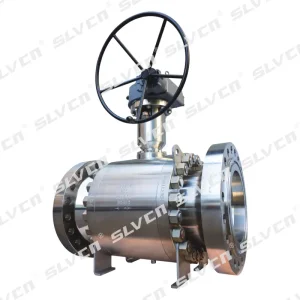
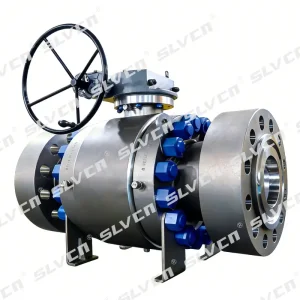
Wellhead control requires high-pressure, severe-service metal-seated ball valves capable of handling corrosive media and sand slurries.
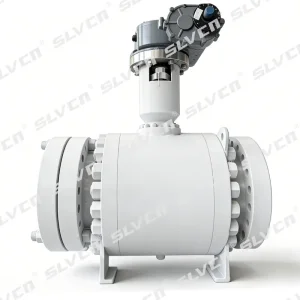
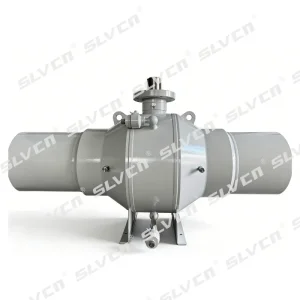
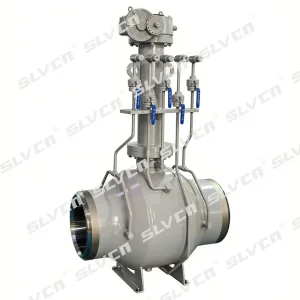
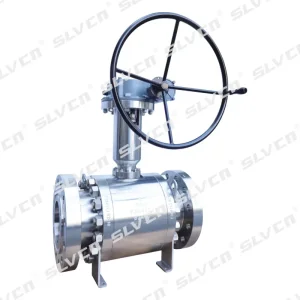
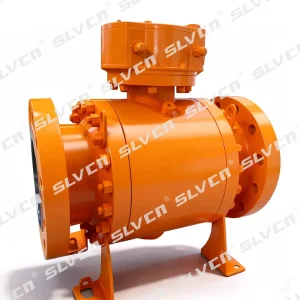
Pipeline isolation depends on fully welded trunnion-mounted valves that eliminate potential leakage paths, essential for cross-country gas transmission.
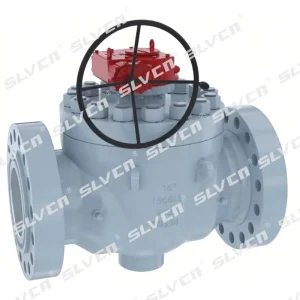
Refineries demand fire-safe, multi-layer stem sealing designs to handle the high-temperature, high-pressure environments typical of catalytic cracking units.
The trend towards "Intelligent Infrastructure" is reshaping the valve market. Procurement managers are no longer just asking for "a valve." They are now prioritizing:
A: Always request the actual certificate documents, not just logos. Verify the API Monogram via the official API Composite List. Furthermore, inquire about their Third-Party Inspection (TPI) history; reputable factories maintain an open door policy for inspectors from agencies like SGS, BV, or TUV.
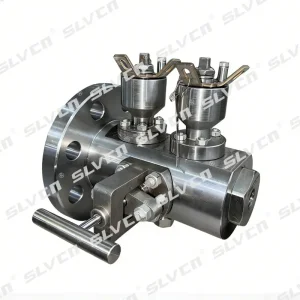
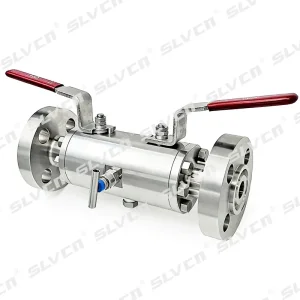
A: DBB valves provide two sealing surfaces for the upstream and downstream pressure, with a bleed valve in between. This is critical for safety and maintenance, as it allows operators to test the seals without shutting down the entire pipeline.
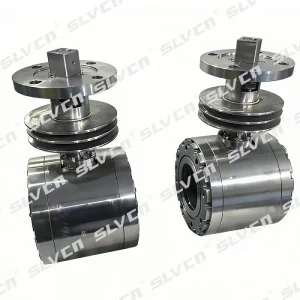
A: Cryogenic valves require specialized materials (e.g., LCC, LC3, or 316SS) that do not become brittle at low temperatures. Design-wise, we utilize extended bonnets to keep the stem packing away from the cold medium, preventing freezing and ensuring smooth operation.
 Shoulong Valve