Frequently Asked Questions
Q:
What does "extended stem for buried service" mean in a trunnion ball valve?
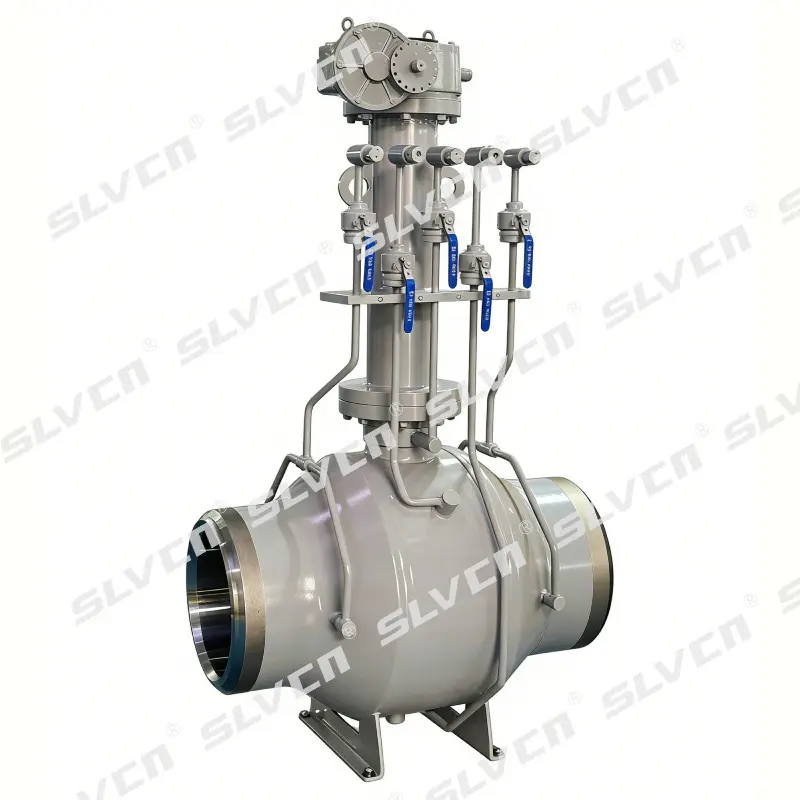
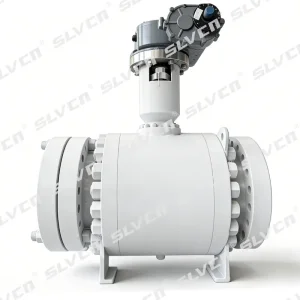
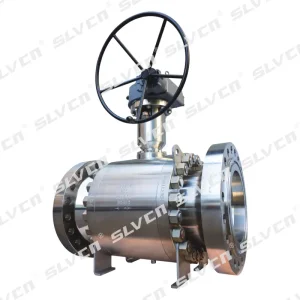
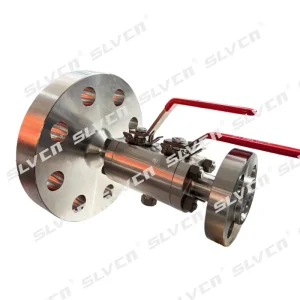
An extended stem allows the valve's actuator or handwheel to remain accessible above ground while the valve body is installed underground. This design ensures continued operation even if the stem seals experience leakage in buried or subsurface pipeline environments.
Q:
How does a fully welded body improve pipeline reliability?
A fully welded one-piece body eliminates threaded or bolted end connections that are common leak points. This construction method significantly reduces the risk of external leakage, making it ideal for long-term, medium-pressure pipeline applications where maintenance access is limited.
Q:
Why is low-torque operation important for trunnion ball valves?
In a trunnion-mounted design, the ball is mechanically supported by trunnions at both the top and bottom, so line pressure is transferred to the valve body rather than the seats. This greatly reduces the friction on the seats and lowers the torque required to operate the valve, enabling smooth, reliable control even at full rated operating pressure.
Q:
What is Double Block-and-Bleed (DBB) and when is it used?
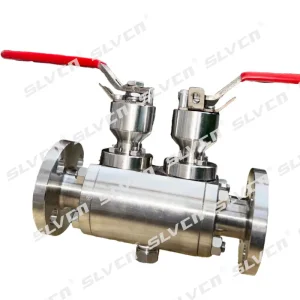
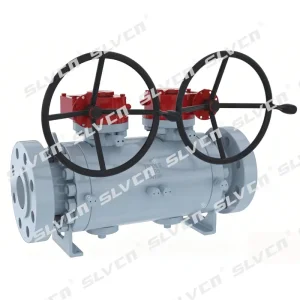
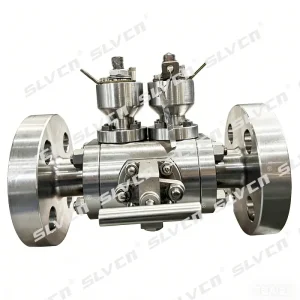
Double Block-and-Bleed (DBB) refers to a valve configuration that provides two independent seating surfaces, each capable of holding pressure from both directions, combined with a bleed port to vent the cavity between them. It is commonly used during pipeline maintenance, hydrostatic testing, or emergency shutdowns to ensure safe and complete isolation of pipeline sections.
Q:
What safety components are included to handle flammable or critical media?
The valve incorporates an anti-blowout stem to prevent accidental stem ejection under pressure, an anti-static device to safely discharge static electricity buildup, and fire-safe seats that maintain a secondary metal-to-metal seal in the event of soft seat failure during a fire. These features collectively meet stringent safety standards for handling flammable and hazardous media.
Q:
Can the valve materials be customized for specific applications?
Yes. The body, seat, and sealing materials are fully configurable to suit a wide range of operating conditions, including corrosive media, extreme temperatures, and project-specific requirements. Common body materials include carbon steel, stainless steel, and duplex alloys, while seat and seal materials can be selected from PTFE, PEEK, Nylon, or metal-to-metal options depending on the service environment.
 Shoulong Valve