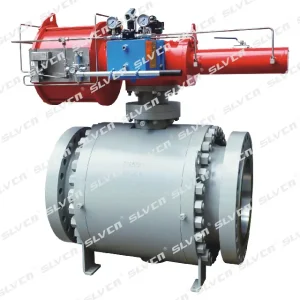
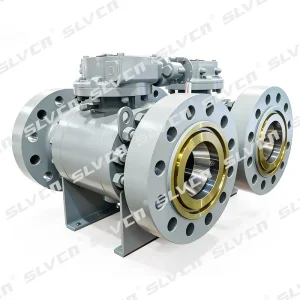
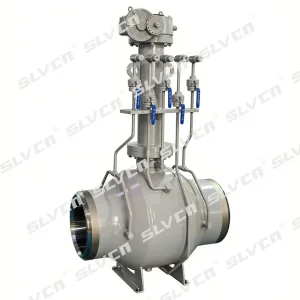
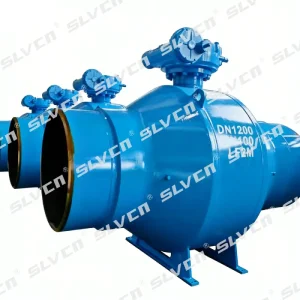
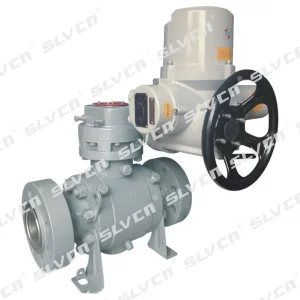
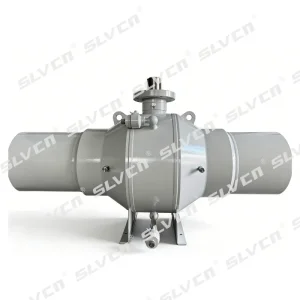
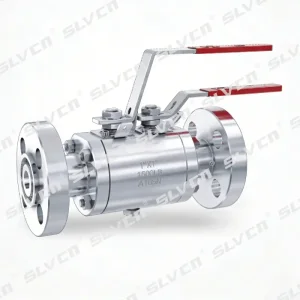
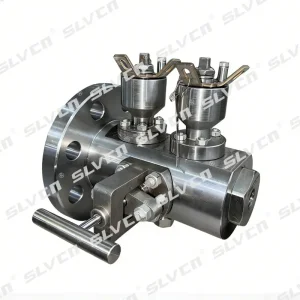
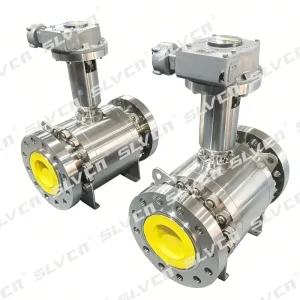
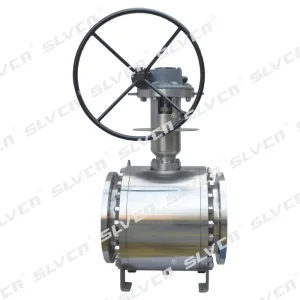
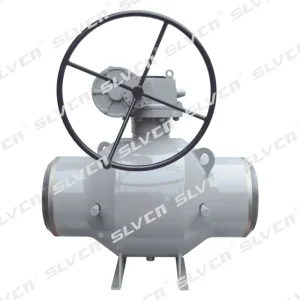
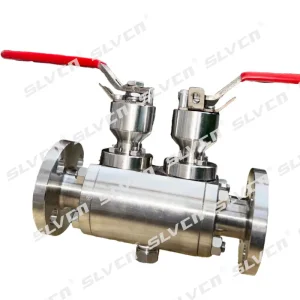
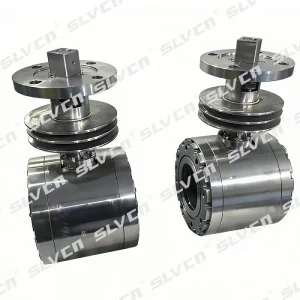
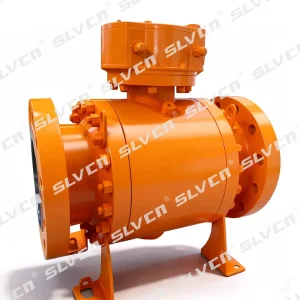
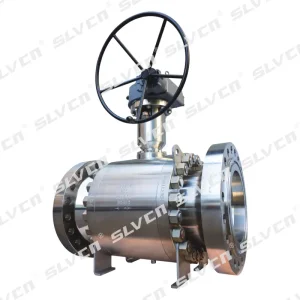
In the high-stakes environment of Oil & Gas, chemical processing, and power generation, the selection of isolation valves is not merely a procurement decision—it is a risk management strategy. Top entry trunnion ball valves stand as the apex of fluid control technology. Unlike side-entry configurations, top-entry designs allow for in-line maintenance. By simply removing the bonnet, engineers can access the ball, seat, and stem without removing the valve body from the pipeline. This capability significantly reduces downtime, lowers labor costs, and enhances safety in critical infrastructure.
Global procurement teams often face the dilemma: premium brand costs versus supply chain speed. China’s manufacturing hub has transformed into a precision-engineering powerhouse. By leveraging advanced CNC machining, rigorous API 6D testing protocols, and automated forging lines, Chinese manufacturers are bridging the gap. Key advantages include:
The modern energy market demands more than a product; it demands an ecosystem. When partnering with suppliers, procurement leaders must prioritize "Local Support, Global Compliance." This means working with factories that understand the regulatory nuances of the EU's REACH compliance or the specific seismic requirements of North American infrastructure. Localization also extends to after-sales technical support—having a manufacturer capable of conducting site-visits or remote virtual troubleshooting can be the difference between a successful turnaround and a project delay.
The transition toward greener energy and tighter environmental regulations is pushing the valve industry toward "Zero Fugitive Emission" standards. New R&D efforts are focusing on:
1. Advanced stem seal geometries to eliminate methane leaks.
2. Integration of smart sensors for predictive maintenance (IIoT).
3. High-temperature metal-to-metal seating for Hydrogen service environments.
A: Top Entry allows the entire internal assembly (ball and seats) to be lifted out vertically. This is critical for buried or welded pipelines where removing the entire valve body is economically impossible.
A: We implement a "Total Quality Management" (TQM) approach, utilizing international third-party inspections (e.g., TUV, BV, SGS), rigorous hydrostatic and pneumatic testing, and material traceability back to the raw ingot casting.
A: Yes, our cryogenic series utilizes special stainless steel body materials, extended bonnets to protect packing from freezing, and cryogenic-tested seats to ensure tight shut-off even at LNG temperatures.
 Shoulong Valve