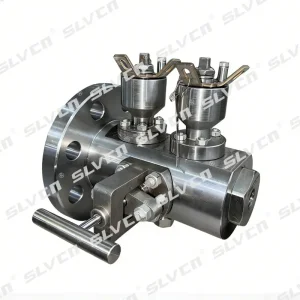
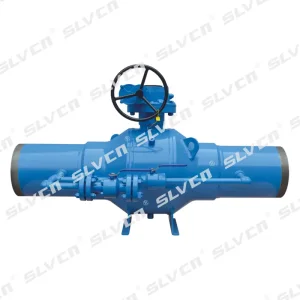
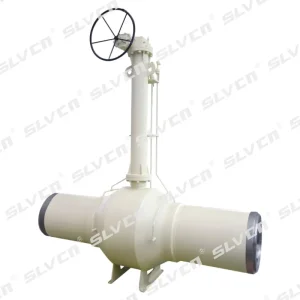
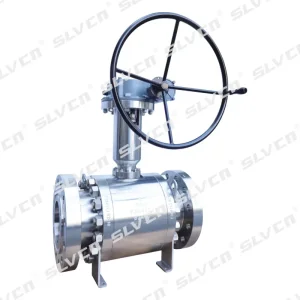
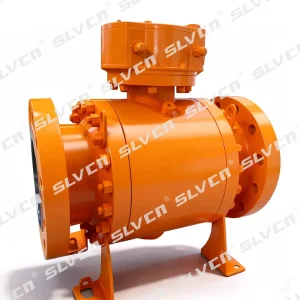
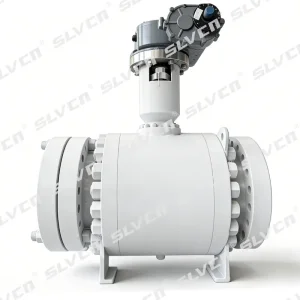
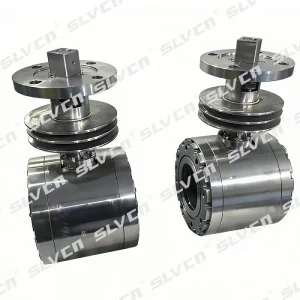
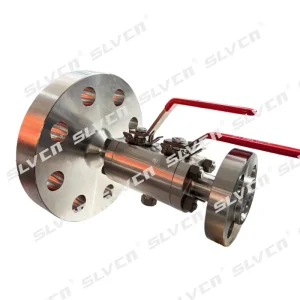
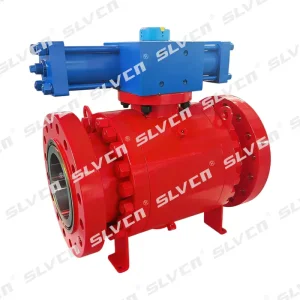
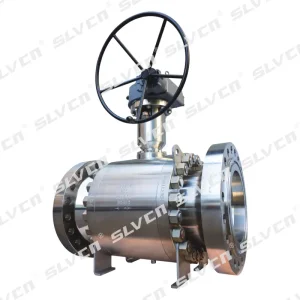
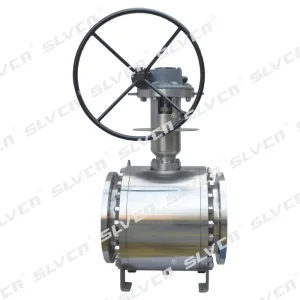
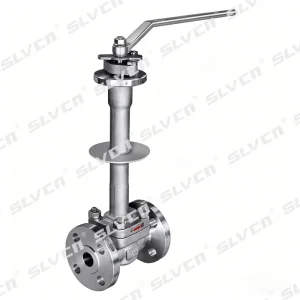
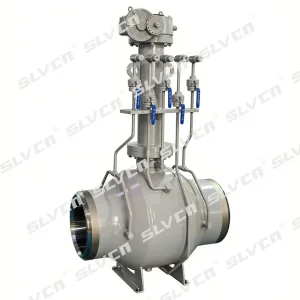
As a global leader in valve manufacturing, understanding the nuances of Double Block & Bleed (DBB) technology is paramount for EPC contractors, plant operators, and procurement managers. DBB valves are not merely components; they are the critical safeguards in high-pressure oil and gas, petrochemical, and cryogenic pipelines. Their design—incorporating two seating surfaces that isolate upstream and downstream pressure, with a bleed port to vent the cavity—is the industry standard for preventing hazardous leaks.
Modern Chinese DBB valve manufacturers have pivoted from mass production to high-precision engineering. Leveraging advanced CNC machining and proprietary heat-treatment processes, we ensure our valves meet NACE MR0175/ISO 15156 standards for sour service, effectively handling corrosive environments where hydrogen-induced cracking is a major concern. Our commitment to Information Gain means we don't just supply hardware; we provide complete flow control solutions tailored to specific fluid characteristics, pressure classes (up to 2500LB), and thermal profiles.
Procuring industrial valves from China requires a strategy based on E-E-A-T (Experience, Expertise, Authoritativeness, Trustworthiness). Global enterprises need a partner that goes beyond the invoice. This includes:
The future of valve technology lies in Smart Flow Control. As industries move toward Industry 4.0, our R&D roadmap focuses on integrating IoT sensors directly into the valve assembly. These sensors monitor valve health, seal integrity, and operational cycles in real-time, allowing for predictive maintenance rather than reactive repairs.
As the global energy landscape shifts toward hydrogen and renewable gas, the demands on isolation valves are changing. High-pressure hydrogen causes embrittlement, requiring specialized seal materials and coatings. Our current R&D is dedicated to developing "Hydrogen-Ready" DBB valves that maintain their integrity under the extreme permeation characteristics of hydrogen gas, positioning our partners for the energy transition.
Navigating international regulatory landscapes—whether it be the Pressure Equipment Directive (PED) in Europe, ASME B16.34 in the US, or GOST standards in Russia—requires deep domain expertise. We treat compliance not as a hurdle, but as a competitive advantage.
Our localized support structure ensures that even when the manufacturing happens in China, the technical interface is global. We provide detailed documentation packages, mill test certificates (MTRs), and full traceability for every heat number used in our forgings. This level of transparency is what builds the trust required for long-term partnerships with major oil companies and power utilities worldwide.
A: Unlike standard isolation valves, DBB valves provide double isolation with a vent point. This allows operators to verify the seal integrity by checking for any bleed-off, ensuring absolute safety for personnel working downstream.
A: We utilize specialized stainless steel bodies, extended bonnets to keep the packing area warm, and cryogenic-grade seal materials that maintain elasticity at ultra-low temperatures, preventing cold-brittleness failures.
A: Yes. We work regularly with global inspection agencies such as SGS, TUV, BV, and DNV to conduct witness testing and material verification upon request by our clients.
A: Depending on the complexity and volume, our standard lead time is optimized through lean manufacturing. We provide a project-specific timeline during the quoting phase, utilizing a phased delivery approach to support large-scale construction schedules.
 Shoulong Valve