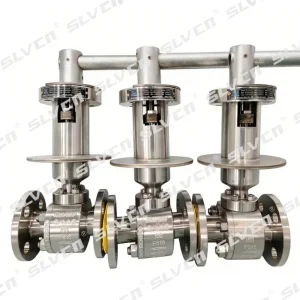
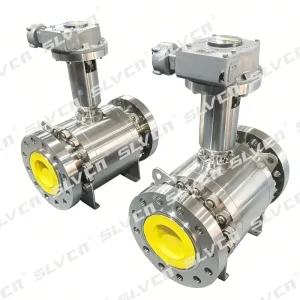
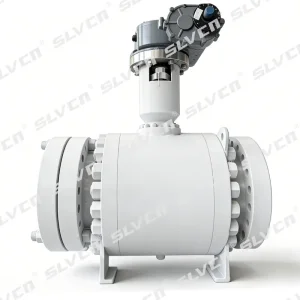
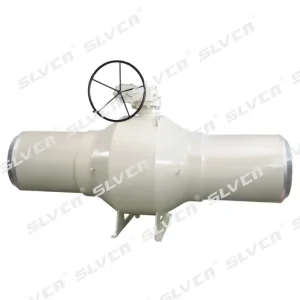
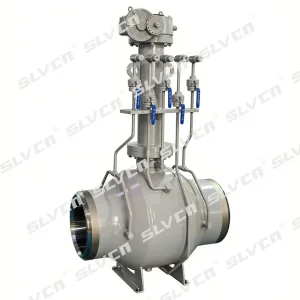
As Tokyo continues to pivot toward a more sustainable energy future, the demand for high-reliability cryogenic ball valves has surged. The metropolitan area, serving as a critical hub for Japan’s LNG import terminals and hydrogen pilot projects, requires flow control infrastructure that adheres to the strictest safety and efficiency standards. Our valves are not merely components; they are engineered assets designed to mitigate risk in extreme thermal environments ranging from -196°C to ambient temperatures.
Japan’s industry, particularly in the Keihin Industrial Zone and surrounding logistics hubs, demands high-integrity valves. Our Chinese manufacturing facilities have bridged the gap by aligning with international standards (API 6D, ISO 5211, ASME B16.34), ensuring that local Japanese engineering firms receive parts that integrate seamlessly with existing pipeline networks.
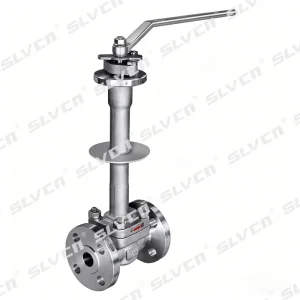
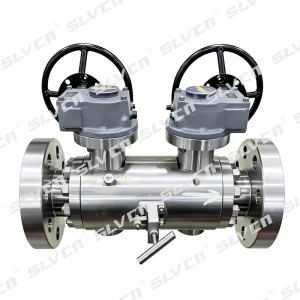
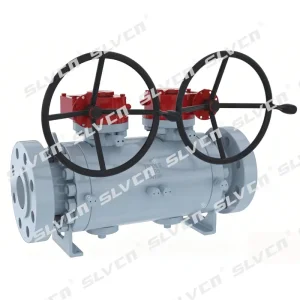
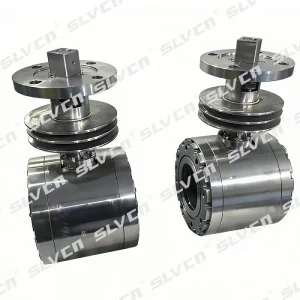
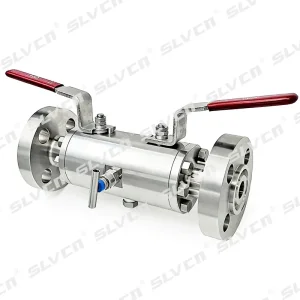
Unlike generic off-the-shelf valves, our cryogenic range incorporates Extended Stem designs. This is critical for Tokyo’s storage terminals, as it keeps the valve’s packing material away from the cryogenic cold zone, preventing stem freezing—a common failure point in inferior valves. We also integrate Double Block and Bleed (DBB) capability, providing absolute isolation reliability for hazardous medium maintenance.
Sourcing from China’s leading valve manufacturers provides Tokyo-based projects with unparalleled economies of scale without compromising on quality. We focus on:
Japanese industrial projects typically prioritize ISO 9001 for quality management and API 6D for pipeline valves. Ensuring your supplier provides full material traceability and pressure testing reports (Hydro/Pneumatic) is vital for Tokyo inspection standards.
In cryogenic applications (LNG/LH2), the valve body remains extremely cold. An extended stem creates a thermal barrier, preventing the valve's actuator and packing gland from freezing, which ensures operational reliability and prevents leaks during rapid thermal cycling.
Yes. By engaging with factories that maintain ISO 5211 certification, we can customize mounting plates, materials (e.g., LCB/LCC or Stainless 316), and NDT (Non-Destructive Testing) requirements specific to your Japanese engineering design packages.
The DBB configuration provides dual isolation points. This is essential for safe maintenance in high-stakes environments—allowing operators to drain the cavity between the balls to confirm zero leakage before starting any upstream or downstream work.
 Shoulong Valve