 Shoulong Valve
1 / 1
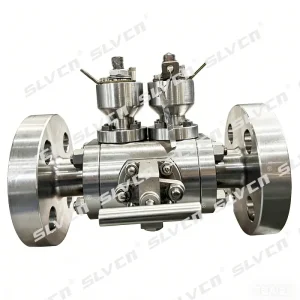
Maximizes safety and prevents leaks by isolating and venting hazardous fluids using the Double Block and Bleed (DBB) functionality.
Utilizes a lip-type seat seal to enhance sealing performance, ensuring reliable operation in high-pressure and low-temperature environments.
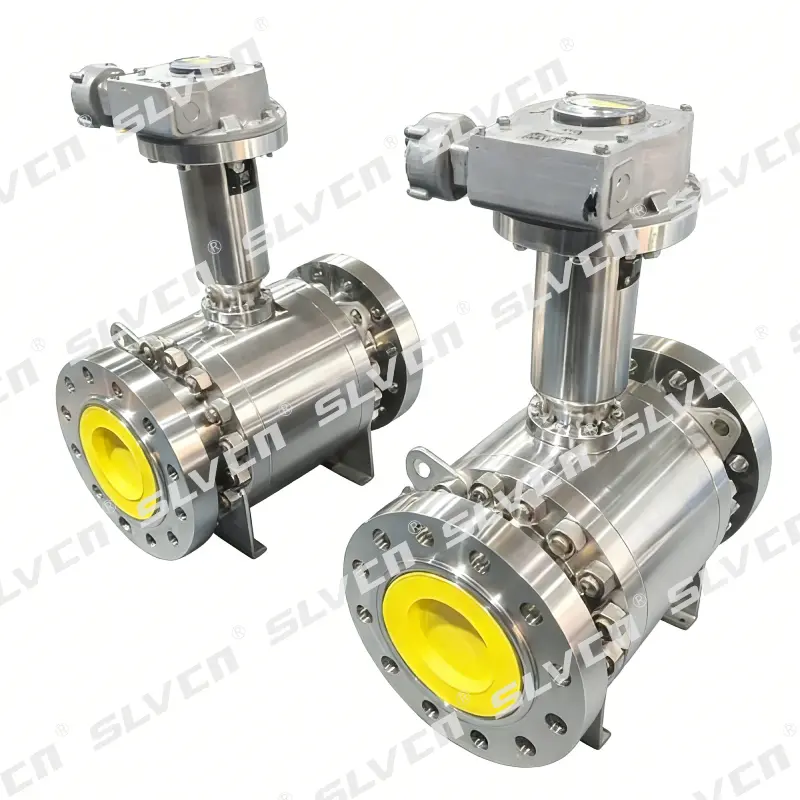
Effectively isolates the packing system from cryogenic media, preventing leakage and improving sealing reliability in cryogenic applications.
Integrates fire-safe, anti-static, and anti-blowout stem features to ensure safety in critical applications and demanding environments.
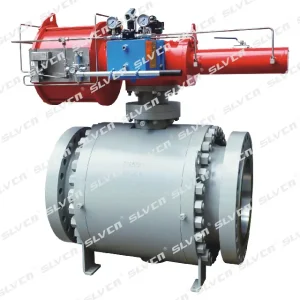
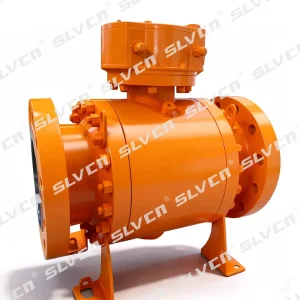
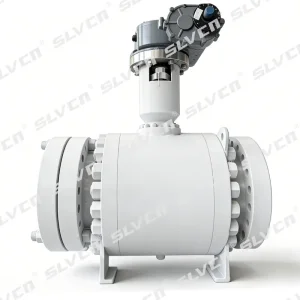
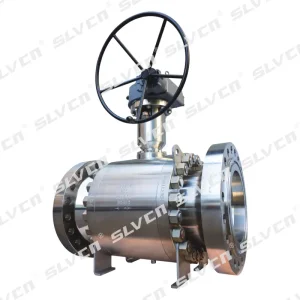
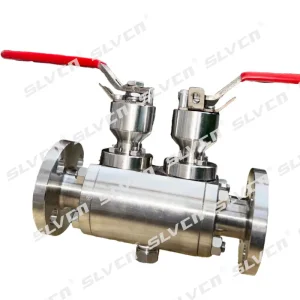
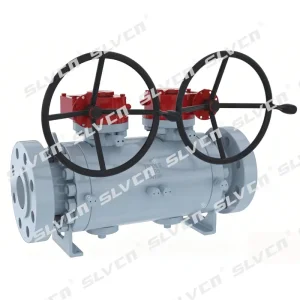
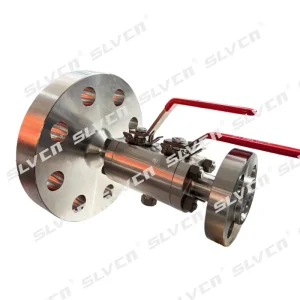
A Fixed Trunnion DBB valve uses a trunnion-mounted ball supported at both the top and bottom, allowing the seats to float and seal under line pressure. The Double Block and Bleed functionality enables two independent sealing points with a cavity vent between them, isolating hazardous fluids and allowing safe pressure relief or maintenance without shutting down the entire system.
The Lip Seal Design features a lip-type seat seal that conforms tightly to the ball surface under pressure, providing superior sealing performance compared to conventional flat-face seats. This design is especially effective in high-pressure and cryogenic (low-temperature) service conditions, reducing the risk of leakage and extending the operational lifespan of the valve.
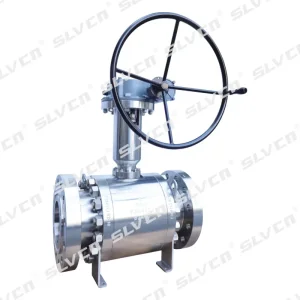
In cryogenic applications, extremely low temperatures can cause standard packing materials to fail or become brittle. The Extended Stem Design physically separates the packing gland from the cold media by increasing the distance between the valve body and the packing area. This allows the packing to operate at ambient temperature, preventing freeze-up, maintaining sealing integrity, and significantly reducing the risk of stem leakage.
The Three-Safety Design incorporates three essential protective features: (1) Fire-Safe — the valve maintains sealing integrity in the event of a fire, preventing further fuel leakage; (2) Anti-Static — a grounding path discharges static electricity built up during operation, preventing ignition of flammable media; (3) Anti-Blowout Stem — the stem is mechanically retained to prevent ejection under pressure, protecting operators and surrounding equipment.
These advanced valve features are widely used across industries that handle hazardous, high-pressure, or extreme-temperature media. Common applications include oil and gas pipelines, LNG (liquefied natural gas) terminals, petrochemical plants, refineries, cryogenic storage and transport systems, and offshore platforms.
Valves incorporating these features are typically designed and tested in accordance with internationally recognized standards such as API 6D (Pipeline Valves), API 607 (Fire Testing), BS 5351, and ISO 17292. The fire-safe design meets API 607 / ISO 10497 requirements ensuring full compliance for safety-critical installations.