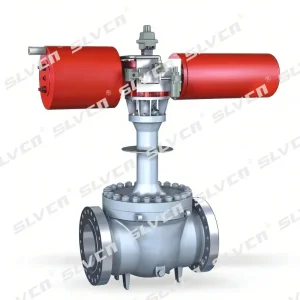
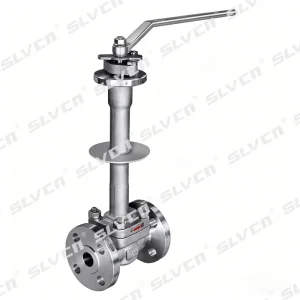
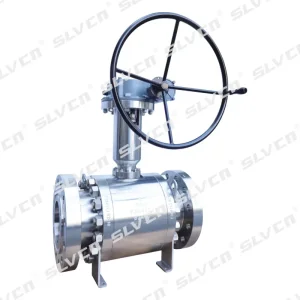
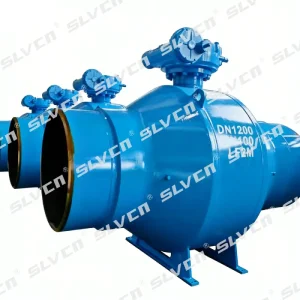
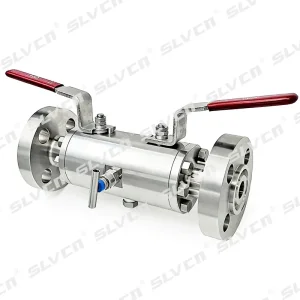
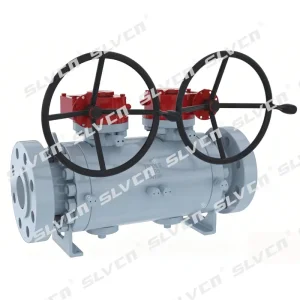
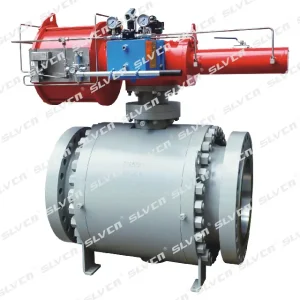
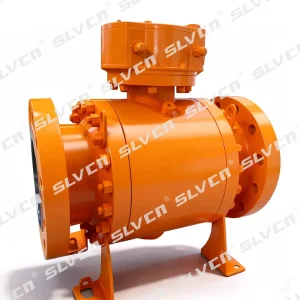
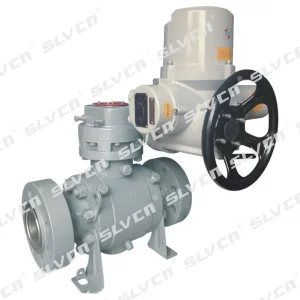
Norway represents a unique, high-stakes market for industrial valve manufacturers. With a heavy reliance on the Norwegian Continental Shelf (NCS) for oil, gas, and increasingly, carbon capture and storage (CCS) initiatives, the demand for high-integrity, Top Entry Ball Valves is at an all-time high. Unlike side-entry designs, Top Entry valves allow for critical in-line maintenance—a non-negotiable feature for subsea and offshore platforms where downtime costs millions.
Norwegian operations are synonymous with harsh environmental conditions—sub-zero temperatures, high-pressure corrosive saline atmospheres, and stringent safety regulations. Our manufacturing processes align with global standards (API 6D, ASME B16.34) but are specifically optimized for the NORSOK M-650 requirements, ensuring that materials used in our valves withstand hydrogen-induced stress cracking and chloride-induced corrosion.
The transition toward "Energy 2.0" in Norway—focusing on hydrogen transportation and natural gas transmission—requires valves that exceed traditional sealing capabilities. Our R&D department is focused on:
The global energy sector is shifting. As Norway leads in electrification of offshore platforms, the supply chain must pivot toward providing components that facilitate this transition. Top Entry Ball Valves act as the "heart" of these piping systems. By optimizing flow geometry and material selection, we help operators reduce carbon footprints and prevent fugitive emissions. Whether it's for an LNG terminal in Snøhvit or a natural gas pipeline across the North Sea, our valves offer the robustness that engineering firms trust.
Q: Why is Top Entry design preferred for offshore maintenance?
A: The primary advantage is the ability to access the internal components (ball, seat, stem) without removing the valve body from the pipeline. This is critical for offshore maintenance where space is limited and welding/cutting is hazardous.
Q: How do you ensure your valves meet Norwegian climatic requirements?
A: We utilize low-temperature carbon steel (LTCS) and duplex stainless steels, combined with rigorous impact testing at temperatures as low as -46°C or lower for specific cryogenic applications.
 Shoulong Valve