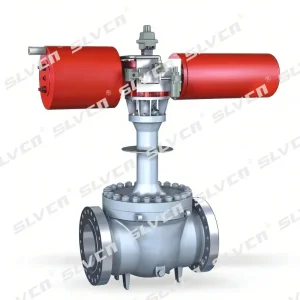
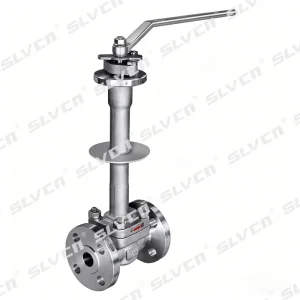
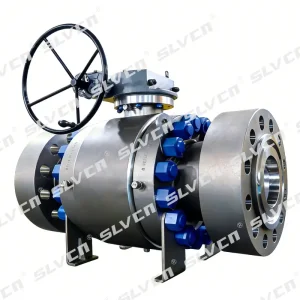
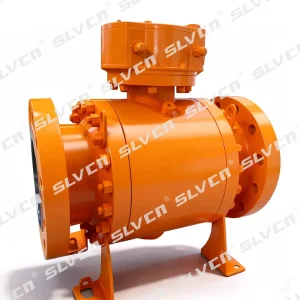
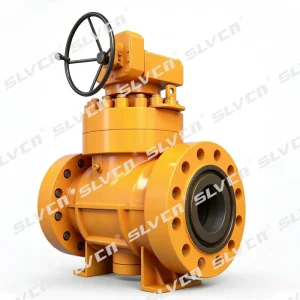
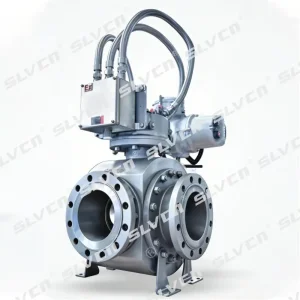
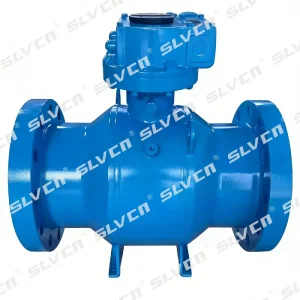
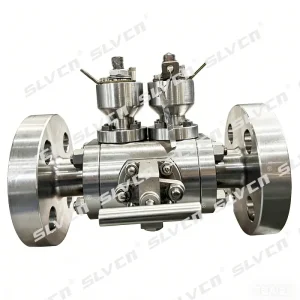
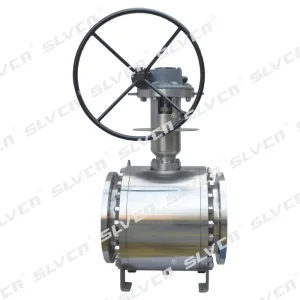
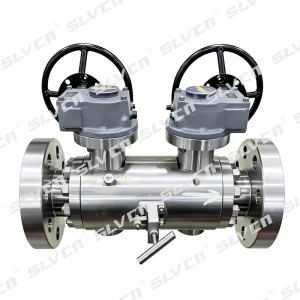
Indonesia, the largest economy in Southeast Asia, is currently undergoing a massive transformation in its energy and industrial sectors. With ambitious goals for natural gas downstream development, LNG infrastructure expansion, and a push toward sustainable energy, the demand for high-reliability flow control components—specifically Top Entry Ball Valves—has skyrocketed. Unlike side-entry valves, the top-entry design allows for in-line maintenance, a critical feature for the remote and offshore locations often found in Indonesia's archipelago, where downtime is not merely an inconvenience but a significant financial loss.
The synergy between Chinese manufacturing prowess and Indonesian project requirements is unmatched. Chinese factories have evolved from high-volume production to becoming specialized hubs for complex, critical-service valves. By leveraging state-of-the-art CNC machining and advanced metallurgical testing, Chinese suppliers are providing valves that meet API 6D, ASME B16.34, and ISO 5211 standards, which are mandatory for Indonesia’s Pertamina, PLN, and other major energy stakeholders.
In high-pressure, high-temperature (HPHT) applications such as refinery pipelines and chemical processing, the Top Entry Ball Valve stands out. Its unique construction allows the bonnet to be removed from the top, granting direct access to the ball, seat, and stem without removing the valve body from the pipeline. For Indonesian industries, this translates to:
The global industrial valve market is shifting towards "Smart" and "Sustainable" operations. As businesses across the world, including Indonesia, adopt Industry 4.0, procurement managers are no longer just looking for a metal valve; they are looking for a system partner. They require valves that are compatible with automation systems, offer real-time leak detection, and have a reduced carbon footprint during manufacturing.
China's valve industry has benefited from massive R&D investment. Factories now utilize 3D simulation software to test stress points before casting, and robotic welding for precision in high-pressure fully welded valves. For international buyers, the advantage is clear: Higher Quality at Lower Risk. With rigorous third-party inspection (TPI) services available in China, international clients get the peace of mind of global quality standards at the competitive price point of a factory-direct supply chain.
Procuring valves for Indonesia requires understanding local regulations (such as TKDN requirements). Professional Chinese manufacturers are increasingly aware of these compliance frameworks, offering document support for local registration and certification processes to ensure smooth customs clearance and project site approval.
Q1: Why are top entry ball valves preferred for Indonesian oil and gas pipelines?
A: Indonesia's terrain and remote facility locations make "in-line" maintenance vital. Top entry valves allow engineers to perform repairs without cutting the pipe, significantly reducing operational expenses and downtime.
Q2: How do Chinese valve factories handle Indonesia’s certification requirements (e.g., TKDN)?
A: Leading Chinese manufacturers are well-versed in international trade documentation. They collaborate closely with Indonesian project leads to provide material traceability, Mill Test Certificates, and necessary documentation to support local content compliance.
Q3: What makes your valves suitable for cryogenic LNG applications in Indonesia?
A: Our cryogenic valves utilize specialized stem extensions and low-temperature alloy materials tested at -196°C to ensure seat tightness and prevent icing in tropical environments.
Q4: Can you provide customized automation for these valves?
A: Yes. We offer integration with pneumatic, electric, and hydraulic actuators, providing a fully tested, "plug-and-play" automated valve system ready for installation.
Partner with a manufacturer that understands the nuances of global supply chains and local Indonesian requirements.
Send Inquiry Now Shoulong Valve